
Understanding Grid-Tied vs Off-Grid Systems for Solar Energy
Share:
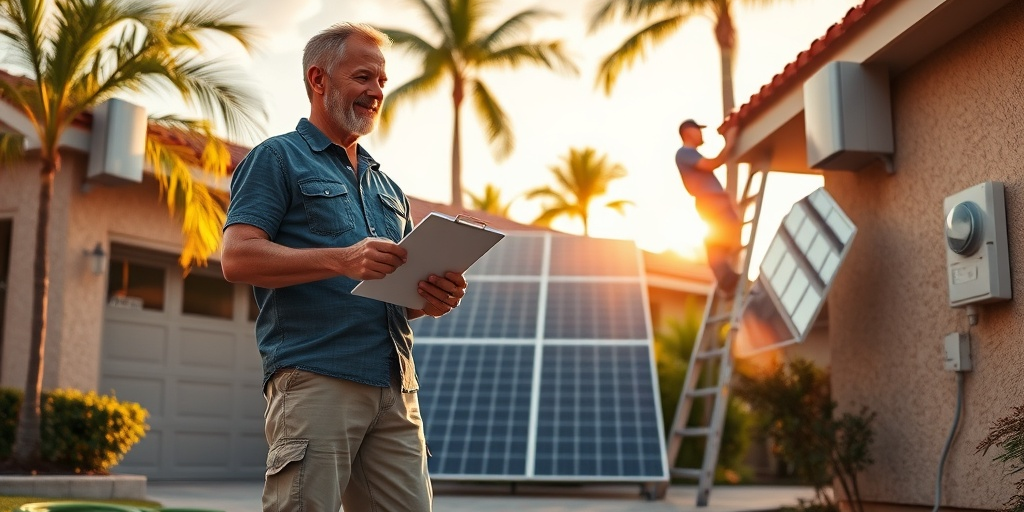
As the sun radiates its glorious warmth over the great state of Florida, did you know that you could harness that power to benefit your home and wallet significantly? In fact, in recent years, solar energy installations in Florida have skyrocketed, with an astounding increase of over 70% in 2022 alone, making it an ideal time to consider your energy options (SEIA.org). With energy prices projected to rise by at least 10% annually through 2025, knowing how to navigate solar energy systems is crucial (Energy.gov). This article, titled Understanding Grid-Tied vs Off-Grid Systems for Solar Energy, will explore the essential differences between two primary solar setups and how they can impact efficiency, costs, and your long-term solar ROI.
In 2025, the transition to solar energy will not just be a trend; it will be necessary for sustainability and financial savviness. The need for renewable energy sources is urgent, with climate change affecting every aspect of our lives. By choosing the right system, you can not only contribute to a healthier planet but also enhance your property’s value. This blog outlines critical insights into grid-tied and off-grid systems, supported by real-life examples and data to empower you to make informed decisions.
In this in-depth exploration, we’ll cover five essential sections:
- The Great Debate: Grid-Tied vs. Off-Grid—A Deep Dive
- Key Considerations for Choosing Your Solar System
- 5 Expert Solar Installation Tips for 2025
- Understanding Solar Energy in Florida: Case Study
- Actionable Steps for Future Florida Solar Buyers
Prepare to embark on a journey into the world of solar power—where clarity meets opportunity.
The Great Debate: Grid-Tied vs. Off-Grid—A Deep Dive
When delving into the world of solar energy, homeowners often face a pivotal decision: should they connect their system to the grid or go completely off-grid? Both options have their unique advantages and disadvantages, which can ultimately influence efficiency, cost, and return on investment over the long haul. To help illustrate these critical differences, let’s explore a case study of the Kite family from Orlando, Florida, who made this very choice and the lessons they’ve learned along the way.
The Kite family decided to go solar to offset rising electricity costs and reduce their carbon footprint. They initially considered a grid-tied system because of its affordability and reliability. Understanding these concepts is essential as they represent the most commonly chosen system, particularly in Florida. A grid-tied system is connected to the utility grid, allowing homeowners to draw electricity from both their solar panels and the grid as needed. This disbursement leaves homeowners less reliant on solar energy alone, especially during cloudy days or nighttime hours.
However, during their research, the Kites encountered multiple challenges due to the fluctuating utility rates in Florida, averaging 12.5 cents per kilowatt-hour (ElectricityLocal.com). They discovered other benefits of a grid-tied system, such as the ability to take advantage of net metering, which allows them to receive credits for excess energy produced during peak sunlight hours. Thanks to this dual connection, they were projected to save around $1,200 annually on their electricity bills, allowing them to finance their solar installation seamlessly.
However, despite the apparent benefits, the Kites also uncovered significant disadvantages. For one, if the local grid experiences power outages, they would lose power themselves, as safety regulations require that systems safely shut down in such instances. Additionally, continuous dependence on the grid means they won’t completely break free from rising electricity rates, rendering their solar savings volatile in the long term.
In contrast, going off-grid offers homeowners autonomy and independence from fluctuating utility costs. Off-grid systems utilize solar panels alongside batteries to store energy for later use, making them ideal for those living in remote areas or who prioritize total resilience during outages. During their research, the Kites unearthed alarming facts about off-grid systems; for instance, battery systems may incur upfront costs between $10,000 and $30,000 (NREL.gov). Moreover, these systems require ongoing maintenance and replacement of batteries every five to seven years, impacting their long-term ROI.
To weigh the decision properly, here’s a checklist that summarizes key considerations for each option:
- Cost of installation and maintenance: What is your budget, and how long do you intend to stay in your home?
- Energy independence: Do you want complete autonomy from the grid, or are you comfortable relying on city power to supplement your energy needs?
- Backup power: Assess your need for reliable power during outages and whether you can invest in battery solutions.
- Net metering: Are you willing to stay connected to the grid for potential savings through energy credits?
- Location and sunlight exposure: Consider your property’s pitch and orientation for optimal solar panel setup.
With these evaluations, you can better understand whether a grid-tied or off-grid system aligns with your energy vision and goals. And for many Florida homeowners just like the Kites, the decision is often more complex than a simple preference; economic considerations, personal priorities, and the desire for independence vary for each family.
As our examination continues, let’s dispel some common myths surrounding solar energy systems that often hinder Florida homeowners’ decisions.
Key Considerations for Choosing Your Solar System
When considering how to transition to solar energy, it’s vital to navigate the misconceptions that often cloud homeowners’ decisions regarding grid-tied and off-grid systems. Here are some pervasive myths to debunk:
- Myth #1: Solar energy is too expensive for the average homeowner.
Many Florida homeowners underestimate the affordability of solar power. Recent studies show that the cost of solar systems has decreased by over 70% in the last decade, making them accessible to most (SEIA.org). - Myth #2: Solar panels only work in sunny states.
While Florida is blessed with ample sunlight, solar panels are designed to capture energy even on cloudy days, providing homeowners with consistent solar power throughout the year. - Myth #3: Off-grid living guarantees self-sufficiency.
Going off-grid can provide excellent energy independence but requires careful planning, maintenance, and a thorough understanding of energy needs. Without this foundation, even an off-grid solution can create uncertainties. - Myth #4: Grid-tied systems aren’t reliable.
Grid-tied systems serve as a safety net when energy production falters while providing homeowners with energy savings through net metering. They strike an excellent balance between independence and economic benefit. - Myth #5: All solar companies are the same.
Solar providers can vary dramatically in terms of service, pricing, incentives offered, and installation expertise. Researching local Florida installers is crucial in finding the right partner for your solar journey.
By addressing these myths, potential solar users can make informed decisions about their energy options. It’s essential to weigh the pros and cons of both grid-tied and off-grid systems carefully. Florida’s leadership in solar energy makes it an ideal environment for either choice. To ensure you make an educated decision, collaborate with a trusted partner like floridaelectricandsolar.com to acquire localized guidance specific to your unique solar installation needs as you embark on a sustainable lifestyle.
Let’s pivot from myth-busting and dive into the crucial best practices for solar installation in 2025.
5 Expert Solar Installation Tips for 2025
The advancement of solar technology continues to reshape our approach to energy consumption. In 2025, optimizing your solar installation will involve a blend of proven practices and innovative strategies. Here are five essential tips to enhance the efficiency and longevity of your solar energy system:
Tip 1: Don’t skimp on panel placement.
The position of your solar panels plays a critical role in their performance. Panels should be installed at an optimal angle toward the sun to maximize exposure and energy generation throughout the day.
Tip 2: Invest in quality equipment.
The long-term effectiveness of your solar system hinges on the quality of its components. Prioritize panels and equipment from reputable manufacturers with a strong history of reliability to avoid premature failures and costly repairs.
Tip 3: Consider battery storage options.
Incorporating battery storage in your solar system can protect against power outages while allowing you to store excess energy for use during high demand periods, maximizing your energy independence and savings.
Tip 4: Regular maintenance matters.
Routine maintenance will keep your system running efficiently. Schedule regular inspections of your panels, wiring, and inverters on a yearly basis to ensure optimal performance and safeguard against potential issues.
Tip 5: Utilize incentives and financing options.
Florida homeowners can take advantage of available solar incentives, tax credits, and financing options that can significantly lower installation costs. Research local and federal initiatives to maximize your savings before committing to a system. (SEIA.org)
By following these best practices, Florida homeowners can enhance the efficiency and reliability of their solar installation in 2025. With the right knowledge and preparation, you’ll be well-equipped to transition into a sustainable solar future.
Understanding Solar Energy in Florida: Case Study
As we move closer to 2025, understanding solar energy’s impact on homeowners is of paramount importance. Consider the journey of the Lopez family from Miami—a journey that resonates with many Floridians striving for a sustainable lifestyle. Initially hesitant about solar energy, they found themselves drawn only after witnessing their friends reap substantial benefits through an investment in solar power.
The Lopez family made the leap in 2023, installing a grid-tied solar system at their home. During the two years that followed, their electricity costs were cut in half, translating to an annual savings of approximately $1,500. Yet that was only part of their journey. When Hurricane Season hit in 2024, their friends with off-grid systems experienced bright lights and internet connections while the rest of their neighborhood was in darkness. Suddenly, the question arose: should they have considered an off-grid system?
To better appreciate the evolving landscape of solar energy adoption in Florida, here are a few noteworthy statistics:
- Solar energy systems can increase a home’s value by an average of 4% (Zillow.com).
- 71% of Floridians expressed interest in solar energy solutions, aiming to cut costs and invest in renewable sources (FloridaSolar.org).
- More than 246,000 solar installations are active across the state, making Florida a top contender in residential solar adoption (SEIA.org).
These statistics reflect a growing trend toward solar energy—a path the Lopez family eagerly embraced. The changing perceptions of solar energy and increasing awareness of both grid-tied and off-grid systems pave the way for the future of energy in Florida.
As they continue to educate and refine their solar approach, they have taken the time to understand their energy consumption patterns. They realized that becoming proactive about energy efficiency would shape their experience moving forward. They established a thorough energy audit, ultimately helping them make informed choices as they explore whether to add energy storage options or shift to an off-grid setup in the future.
As you consider your own solar journey, think of the Lopez family. They exemplify the spirit of empowered homeowners making informed decisions about energy. Let their experience guide you and spark your enthusiasm as you ponder your own path toward energy independence.
Actionable Steps for Future Florida Solar Buyers
The shifting landscape of solar energy prospects can be overwhelming, but taking actionable steps will pave the way toward a successful transition and significant savings. Here’s a practical plan that Florida homeowners can leverage as they prepare to install solar systems in 2025:
Step 1: Audit Your Electric Bill.
Start by understanding your current energy consumption patterns. Analyze your electric bill to identify peak usage times, which can inform your decision on whether a grid-tied or off-grid system would best suit your needs.
Step 2: Research Solar Options.
Investigate the diverse solar options available to you, such as grid-tied systems with battery storage or off-grid configurations. Assess your energy goals, long-term cost savings, and preferences in energy independence before making a decision.
Step 3: Choose the Right Installer.
Select a reputable solar installation company with extensive experience, strong reviews, and local expertise. Check their certifications, warranty offerings, and financing initiatives to ensure you make the best choice for your installation.
Step 4: Explore Incentives and Programs.
Familiarize yourself with federal and state solar incentives, rebates, and tax credits that can help offset installation costs. The more knowledge you have, the better your financial outcome will be.
Step 5: Make the Commitment.
Once you’ve gathered all necessary information, local insights, and guidance, don’t hesitate to proceed with your solar installation. Approach your investment as a step toward a sustainable future for your family and the planet.
As you embark on this exciting journey, remember that your decision—whether tied to the grid or off-grid—requires careful analysis and consideration. Partner with a trusted local solar provider like floridaelectricandsolar.com to facilitate your transition and provide invaluable support throughout the process. The time to act is now, making the most of 2025’s solar potential.
In conclusion, the journey through the solar energy landscape illuminates the core factors that Florida homeowners must understand as they navigate their options. By examining cases like the Kite and Lopez families, we learn the importance of informed decision-making surrounding whether to choose a grid-tied system or an off-grid setup. Through thoughtful considerations and debunking myths, prospective solar users can embrace the future confidently, armed with knowledge and actionable steps.
Solar power is on the forefront of creating sustainable environments where families can flourish while contributing positively to the planet. The urgency of transitioning to renewable sources continues to grow, as does the potential for personal and community benefits. Let your journey begin—take the leap toward solar energy in 2025!
Ready to start your solar journey in 2025? Connect with a certified expert at floridaelectricandsolar.com today.
Related Articles
More insights about Grid-Tied Systems

Grid-Tied vs Off-Grid Systems: What You Need to Know

Grid-Tied vs. Off-Grid Systems: The Essential Solar Comparison Guide

Technical Deep-Dive: Understanding Grid-Tied vs Off-Grid Solar Systems
Ready to Go Solar?
Have questions about solar energy? Our experts are here to help you make the switch to clean, renewable energy.