
Don’t Fall for These Common Solar Panel Installation Scams
Share:
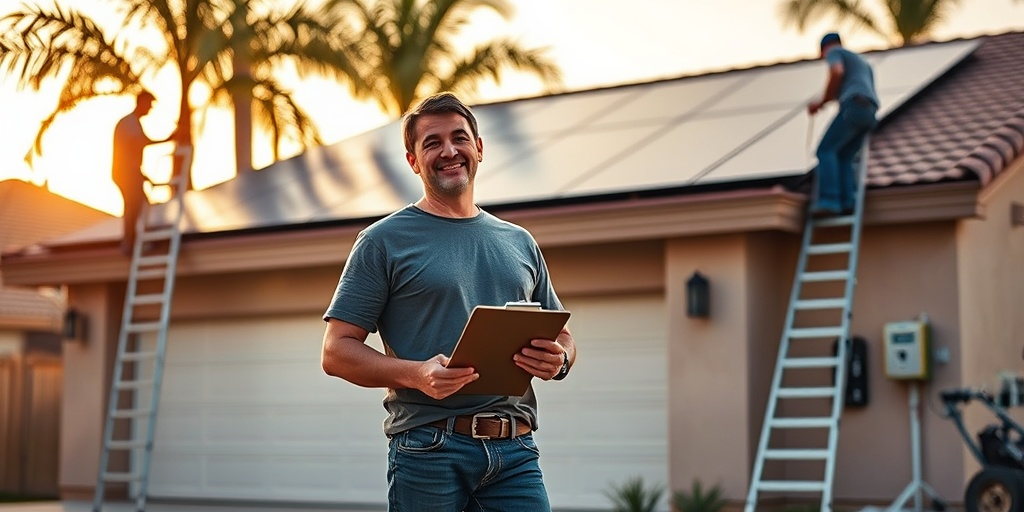
In the vibrant sunshine state of Florida, the allure of solar energy can be all-encompassing. An astonishing 80% of Floridians are considering solar energy as a practical solution to combat the rising electric bills and environmental concerns, signaling a significant shift in energy consumption habits (SEIA.org). However, with this rising interest comes an unfortunate increase in solar panel installation scams that prey on homeowners looking to transition to solar power. If you’re considering making this transformative change in 2025, it is imperative that you read this post: Don’t Fall for These Common Solar Panel Installation Scams.
In the bustling solar market of Florida, misinformation reigns supreme. In fact, nearly 30% of homeowners reported feeling misled about the costs and performance of solar installations (Energy.gov). This topic is particularly urgent as federal tax incentives are set to change in 2025, meaning that any missteps now may lead to costly consequences down the line. In this blog post, we will explore the most common scams associated with solar panel installation, giving you the tools to safeguard your investment and ensure you’re engaging with credible service providers.
This article will guide you through five essential sections: first, we will share an eye-opening case study of a Florida homeowner who fell victim to a scam. Following that, we will present a checklist that highlights crucial steps to protect yourself. Next, we’ll debunk some widespread myths about solar panel installations, followed by a deep dive into Florida-specific statistics and policies related to solar energy. Finally, we will offer a technical analysis of the core elements of solar systems, empowering you with the knowledge to discern quality installations from inferior options.
As the movement toward renewable energy continues to gain momentum, understanding how to navigate the landscape effectively is more vital than ever. Join us as we unravel the intricacies of avoiding scams and making informed decisions on your solar energy journey.
Case Study: A Costly Cautionary Tale
Meet Laura, a single mother of two residing in Orlando, Florida. Eager to cut down on her energy bills and embrace renewable energy, she began researching solar panel installation in 2023. After attending a flashy seminar hosted by a well-known sales company, she rushed to sign a contract that promised the sun—and then delivered a storm.
Initially excited, Laura learned that what was pitched during the seminar didn’t match the reality. The sales representatives had led her to believe that she would qualify for hundreds of dollars in rebates and incentives, but the fine print revealed that these incentives were tied to her initial payment and could very well vanish. As a result, Laura not only bought solar panels that performed poorly, but she also incurred a hefty termination penalty when she opted to break her contract. More than $15,000 later, Laura’s dreams of energy independence were dashed, and she was left feeling scammed.
This story highlights multiple issues to consider when exploring solar panel installation. Laura’s experience is not unique; reports of solar installation scams in Florida surged by 46% in 2023 alone (SolarReviews.com). To avoid becoming the next victim, here are a few proactive steps you can follow:
- Research thoroughly: Look for companies with solid reputations and plenty of positive customer testimonials.
- Get multiple quotes: Don’t settle for the first option; compare offers to determine fair pricing.
- Understand the contract: Read every clause and ensure you are aware of all fees, penalties, and rebates.
- Engage local experts: Opt for local providers that understand Florida’s specific incentives and regulations.
- Read reviews: Ensure the companies have a robust history by checking reviews on trustworthy platforms.
Laura’s case serves as a reminder of the dramatic consequences of negligence and underscores how quality research can help prevent the pitfalls of scams. As we move forward, we’ll look at more ways to protect your solar investment by debunking common myths surrounding solar power.
Common Solar Scams: Myths Busted
When it comes to solar energy, misinformation can be as rampant as it is damaging. Here are five common myths associated with solar energy and the truths that debunk them:
- Myth #1: Solar panels guarantee zero electric bills.
Truth: While solar panels can significantly reduce utility bills, they often don’t cover 100% of energy usage, especially if you use more electricity than your system generates. Local energy prices can fluctuate, so it’s crucial to remain informed about your energy habits. - Myth #2: Solar panels are a one-size-fits-all solution.
Truth: Each home has unique characteristics, including its size, orientation, and energy needs. A quality installer will conduct a thorough assessment to tailor a solar solution that matches your situation. - Myth #3: You must buy your solar system outright.
Truth: Many financing options, including leasing and Power Purchase Agreements (PPAs), allow for flexible payments while still receiving savings from your solar investment. - Myth #4: All solar panel installations are the same.
Truth: Quality varies widely among solar equipment and installation services. Always research the equipment’s efficiency ratings and the contractor’s installation history. - Myth #5: Once installed, there’s no maintenance needed.
Truth: Routine maintenance and cleaning are necessary to ensure optimum performance, particularly in a dusty and humid climate like Florida.
By demystifying these widespread myths, we can empower Florida homeowners to make better-informed decisions about solar energy. Understanding the realities of solar installation will help ensure you’re engaging with reputable companies, steering clear of scams, and preserving your investment. Now, let’s delve into Florida-specific data that illuminates the importance of making educated choices.
Florida-Focused Data: What You Need to Know
In a state renowned for its sun, Florida homeowners are increasingly turning to solar solutions, yet they must stay vigilant against potential scams. Here’s why awareness of local trends and statistics is critical:
- Rising Solar Demand: Florida is ranked second in the U.S. for solar installations, boasting over 40,000 residential solar systems as of 2023, showcasing a significant appetite for solar energy (SEIA.org).
- Changing Policies: As of January 2025, changes in state and federal policies could modify incentives, making it essential to act sooner rather than later. Current tax credits are set to phase down, which means that any delays might cost you more in the long run.
- Common Scams: Increasing awareness shines light on the fact that at least 25% of Florida homeowners have experienced deceptive solar marketing practices, sparking the demand for regulation in the industry.
Understanding these Florida-focused statistics is not just about staying informed; it’s also about navigating the landscape strategically. By making a concerted effort to stay current on policies and regulatory shifts, you can effectively protect yourself from scam attempts. As the landscape evolves, so should your knowledge and preparation to ensure a smart solar investment. Next, we’ll take a deeper look into the technology behind your solar energy solutions.
Technical Deep-Dive: Understanding Your Solar System
When you think about solar panels, the shiny surface may come to mind, but there’s more to your solar energy system than meets the eye. Let’s thoroughly analyze the core components of a solar energy system to help you discern quality installations, ensuring you maximize your investment.
Your solar energy system is made up of the following essential components:
- Solar Panels: The heart of the system, solar panels convert sunlight into usable electricity. Look for panels with higher efficiency ratings to maximize energy production.
- Inverters: This device is crucial as it transforms the direct current (DC) generated by your panels into the alternating current (AC) used in your home. Choosing high-quality inverters can significantly enhance your system’s overall efficiency.
- Energy Storage Systems: Battery systems allow you to store energy generated during the day for use at night or during peak demand times. Investing in a reliable energy storage solution can add resilience to your energy system.
- Monitoring Systems: Advanced solar systems come with monitoring technology to track energy generation and usage. Monitoring can help identify issues promptly, ensuring your system operates at peak performance.
Each component plays a crucial role, and understanding how they work together empowers you as a consumer. Poor-quality panels or inadequate inverters can significantly reduce your system’s potential for savings, leaving you vulnerable to scams that promise performance they cannot deliver. By familiarizing yourself with these components, you will feel more confident in your ability to engage with trustworthy providers, protecting your investment more effectively. Now let’s move on to the next steps in your solar journey, providing a solid framework for buyers in Florida in 2025.
Next Steps for Florida Solar Buyers in 2025
As you prepare to embark on your solar journey, it’s crucial to take actionable steps that will secure your investment and optimize your solar experience. Here’s a straightforward checklist to guide you through the process:
- Step 1: Audit Your Electric Bill
Understand your current energy usage and costs. This analysis will help you gauge how much energy you wish to offset with your solar system. - Step 2: Research Solar Companies
Investigate local solar companies with strong reputations and customer reviews. Reach out to friends, family, and communities for recommendations, and ensure you read reviews on third-party platforms. - Step 3: Schedule Consultations
Set up meetings with several installers. Discuss your energy needs, ask questions about their offerings, and ensure you fully understand their proposal before committing. Check their licensing and certifications, and look for experience in Florida. - Step 4: Review Contracts Thoroughly
Before signing, read your contract carefully. Ensure it outlines all costs, expected performance, warranties, and how to exit should you find it necessary. - Step 5: Maintain a Vigilant Approach
After installation, regularly monitor your solar system’s performance. Don’t hesitate to get in touch with your provider if something seems off, and ensure you keep records of your electrical savings and system performance.
Following this checklist will significantly increase your chances of enjoying a seamless and profitable solar journey. Remember, it’s essential to remain engaged and raise questions; don’t accept things at face value. You are making a commitment to your future and investing in clean energy for your home.
As we reach the conclusion of our exploration into avoiding solar scams, it’s evident that the key to navigating the solar landscape lies in awareness, education, and diligence. Understanding the risks associated with solar panel installations and arming yourself with knowledge is more than just a precaution; it’s a pathway to achieving financial freedom and sustainability.
Whether considering installation for your home or your business, this decision is crucial for long-term savings and environmental well-being. As energy costs continue to fluctuate and impact Florida households, embarking on your solar journey can be a way to regain control. Don’t leave your future in the hands of chance! Make informed decisions and secure your investment today.
Ready to start your solar journey in 2025? Connect with a certified expert at floridaelectricandsolar.com today.
Related Articles
More insights about Solar Panel

Florida Homeowners: Why Solar Panel Maintenance Is Essential

7 Essential Steps for Solar Panel Installation Success

Expert Insights: Key Factors Influencing Solar Panel Lifespan
Ready to Go Solar?
Have questions about solar energy? Our experts are here to help you make the switch to clean, renewable energy.