
Warning: Avoid These Critical Mistakes When Installing Solar Panels
Share:
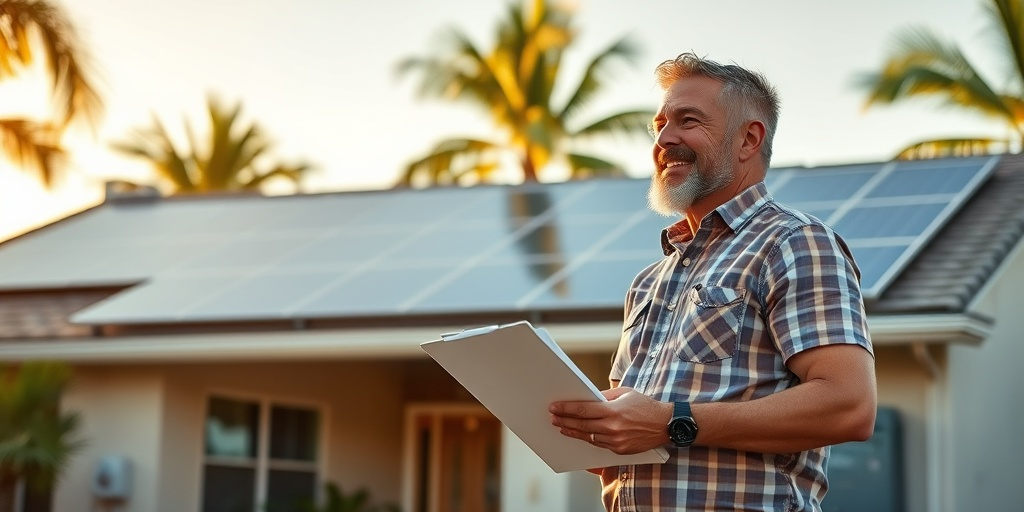
As the sun rises over Florida, so too does an opportunity for homeowners and business owners alike to harness the power of solar energy. Did you know that nearly 10% of Florida’s electricity generation now comes from solar energy? This upsurge is just one of the many reasons to pay attention to the shifting landscape of renewable energy, especially in 2025. Furthermore, statistics suggest that solar installations in Florida have increased by over 45% since the last audit, indicating a growing trend that can no longer be ignored. In this light, our article, Warning: Avoid These Critical Mistakes When Installing Solar Panels, dives deep with the urgency of ensuring you don’t lose out financially or strategically on your solar investment.
As we move further into 2025, rising energy costs and new solar incentives present an attractive proposition for making the switch to clean energy. That said, many homeowners and property owners face roadblocks and confusion when it comes to solar panel installation. Mistakes, whether they are in the installation process or in the choice of equipment, can not only delay your energy savings but may also lead to financial pitfalls. To ensure that you sidestep these potential traps, we’ve outlined critical mistakes to avoid in this comprehensive guide. Throughout the following sections, you will discover powerful case studies, detailed checklists, actionable tips, and invaluable best practices. Whether you are considering solar for the first time or looking to upgrade your existing system, this guide is tailored for you.
Join us as we navigate these critical concerns with insight and clarity. Our exploration will cover the following sections:
- Real-Life Case Study: A compelling example of what can go wrong during installation.
- Essential Checklist: Step-by-step actions to ensure your solar panel installation is a success.
- Myth-Busting: Dispelling common misconceptions surrounding solar energy.
- Florida-Specific Insights: Tailored information based on local policies and incentives.
- Technical Deep-Dive: Understanding the technical components of solar systems.
The solar landscape is bright in 2025, but only if you navigate it wisely. Let’s embark on this journey and make sure you won’t fall victim to critical mistakes during your solar panel installation.
1. A Solar Installation Disaster: A Case Study
Meet Laura, a Florida homeowner who dreamed of cutting her electric bill and reducing her carbon footprint by installing solar panels. In 2024, she saw a great deal online for solar panels and decided to go ahead without much research. The installation was executed by a local, non-certified contractor who promised her expedited service and a quick return on investment. What happened next was a series of unfortunate events that not only exhausted her patience but also drained her wallet.
Initially, everything seemed fine. The panels were installed swiftly, and Laura felt good about her green choice. However, just a few months later, issues emerged when her energy bills didn’t decrease as anticipated. Upon closer inspection, she discovered that the panels were poorly installed; some were misaligned, and a couple had even started to lift from the roof due to improper mounting. This mistake reportedly led to a 15% decrease in overall efficiency (SolarReviews.com). Even worse, the warranty the contractor provided was void due to non-compliance with local building codes.
Laura’s experience serves as a cautionary tale. Here’s a Checklist of what went wrong during her solar panel installation:
- Choosing the Wrong Contractor: Always verify qualifications and certifications.
- Ignoring Local Codes: Compliance is crucial for warranty protection.
- Insufficient Research on Equipment: Don’t rush into purchasing without understanding the options available.
This story serves not only as a lesson but also as a nudge for each Florida homeowner to conduct thorough due diligence before installing solar panels. It’s critical to understand that quality impacts efficiency and return on investment. Statistics show that homeowners who take the time to research average annual savings of around $1,000 on electric bills after switching to solar (SEIA.org).
Before continuing, let’s explore the next steps that will help ensure your solar installation is a resounding success. Here’s a vital checklist to avoid the critical mistakes Laura faced.
2. Your Essential Solar Installation Checklist
Your solar journey starts with preparation and planning. Properly managing the installation process can mean the difference between a thriving solar investment and a regrettable financial decision. Below is a thorough checklist of steps to undertake for a successful solar panel installation.
- Step 1: Conduct an Energy Audit
Knowing your energy needs helps in calculating how many solar panels you’ll need. An efficient audit can reveal your peak consumption and ensure you don’t overspend on unnecessary capacity. - Step 2: Research Certified Solar Contractors
Select contractors certified by the North American Board of Certified Energy Practitioners (NABCEP) or those who have excellent reviews on trusted sites like (SolarReviews.com). Always ask for references and explore past project portfolios. - Step 3: Understand Local Regulations and Permits
In Florida, each county may have specific regulations regarding solar panel installation. Review these requirements with your chosen contractor to avoid compliance issues. - Step 4: Don’t Skimp on Quality Equipment
Aim for tier-one solar panels from reputable manufacturers. While they may cost more initially, they’re often more efficient and durable in the long run. - Step 5: Review Financing Options
Florida offers various incentives for solar installations, including tax credits and rebates. Take advantage of these offers, as they can significantly reduce your upfront costs.
Incorporating this checklist will provide you a strong foundation in your pursuit of solar power. Each step plays a crucial role in mitigating risks. It is important to remember that investing in solar is not only about purchasing panels but about making an informed decision in the context of your household’s specific circumstances.
For tailored consultation and assistance in these steps, consider visiting floridaelectricandsolar.com to connect with certified solar experts who can guide you throughout the process.
3. Myth-Busting Solar Installation Misconceptions
Understanding the truths and myths surrounding solar energy can save you from costly mistakes. Even in our increasingly eco-conscious world, misconceptions still linger about solar installations. Let’s debunk some of the most common myths that may cloud your judgment.
- Myth #1: Solar Panels are Only Effective in Sunny States
While Florida, being the Sunshine State, has an inherent advantage, solar panels can generate energy even on cloudy days. Performance is affected by light intensity, not merely sunlight availability (Energy.gov). - Myth #2: Solar Installation is Too Expensive
While the initial costs can seem daunting, consider the long-term savings on energy bills, potential tax credits, and financing options available. Many homeowners break even within five to seven years (SEIA.org). - Myth #3: Solar Panels Require Constant Maintenance
Contrary to popular belief, solar panels require minimal maintenance. Regular inspections and occasional cleaning are usually sufficient, making them low maintenance overall. - Myth #4: My Home Needs to Be Off the Grid for Solar to Work
Many photovoltaic systems can be integrated with and depend on the grid. This allows you to draw energy when your system isn’t producing enough (like at night) and sell excess back to the grid. - Myth #5: Solar Energy is Not Worthwhile in Florida
In fact, Florida is among the top states for solar production, rated second in the U.S. for solar capacity (SEIA.org). The abundance of sunlight truly maximizes energy output and efficiency in the Sunshine State.
By addressing these myths upfront, you equip yourself with the knowledge needed to make informed decisions about solar energy. Knowledge empowers; let it guide your journey as you approach installation with a realistic understanding of your potential.
4. Local Insights: Navigating Florida’s Solar Landscape
Florida has specific dynamics, regulations, and incentives that shape the solar industry. Understanding state policies can turn a taxing process into a transparent one. Here are critical insights that every Florida homeowner should consider:
- Net Metering Policies: Florida has implemented net metering, allowing users to receive credits for excess energy they send back to the grid. This can greatly enhance the savings potential for users with solar power installations (DSIREUSA.org).
- Incentives for Homeowners: The Florida Solar Energy Center offers valuable programs and financial options to support installations. Additionally, the federal solar tax credit allows homeowners to claim a percentage of the installation costs.
- Regional Variability in Costs: Solar installation costs may vary significantly depending on your location in Florida. Urban areas like Miami may have different pricing and availability than more rural districts, so research local market conditions.
As local regulations and incentives evolve, staying informed will help you not only navigate these complexities but also maximize potential savings. Understanding Florida’s unique ecosystem while considering solar for your home can be a game changer.
5. Next Steps for Florida Solar Buyers in 2025
Every journey begins with a single step, and transitioning to solar energy is no different. After carefully reviewing the pitfalls and configurations outlined in this article, it’s time to take action. Follow these next steps for a smooth transition to solar energy in your Florida home:
- Step 1: Audit Your Electric Bill
Identify your average monthly consumption and costs. This data will serve as the baseline for your solar energy needs. - Step 2: Research & Interview Contractors
Reach out to multiple contractors, ask for quotes, and inquire about certifications. Don’t settle for less than qualified professionals. - Step 3: Review and Compare Equipment Options
Analyze different panel brands, inverter systems, battery storage, and warranties available in the market. - Step 4: Inspect Your Roof and Property
Ensure your roof is in good condition and evaluate any potential shading issues that may impact energy production. - Step 5: Make Your Selection
After thorough research and consultations, confidently choose the contractor and systems that best suit your needs.
The transition to solar energy entails considerable power and investment decisions that can energize your home’s future. Make your choice wisely and watch the costs of energy diminish.
For guidance and to help streamline your solar journey, visit floridaelectricandsolar.com where you can connect with experts committed to helping you make the best decisions for your solar needs.
Conclusion
From navigating missteps in installation to understanding local regulations, this journey through the maze of solar energy reveals one crucial takeaway: knowledge is your most powerful ally. As demonstrated through our case studies and thorough checklists, avoiding critical installation mistakes is essential in your transition to solar. With compelling insights specific to Florida’s solar landscape, you are now prepared to embark on this journey equipped with the know-how to successfully transform your energy consumption.
Solar energy isn’t just about saving money; it’s about future-proofing your home while aligning with environmentally conscious practices for a sustainable tomorrow. The urgency of transitioning to solar in 2025 is palpable as energy costs linger unsteadily and policies adapt to meet the challenges of climate change.
Make the right choice for you and your family. Don’t let indecision trap you in escalating energy costs. Ready to start your solar journey in 2025? Connect with a certified expert at floridaelectricandsolar.com today.
Related Articles
More insights about Solar Panels

Flat Roof Solar Mounting in Florida: A Complete Installation Guide

Myth: Solar Panels Don’t Increase Home Value in Florida

Expert Insights: The Lifespan of Solar Panels Explained
Ready to Go Solar?
Have questions about solar energy? Our experts are here to help you make the switch to clean, renewable energy.