
Beginner’s Guide to Understanding Solar Panel Maintenance
Share:
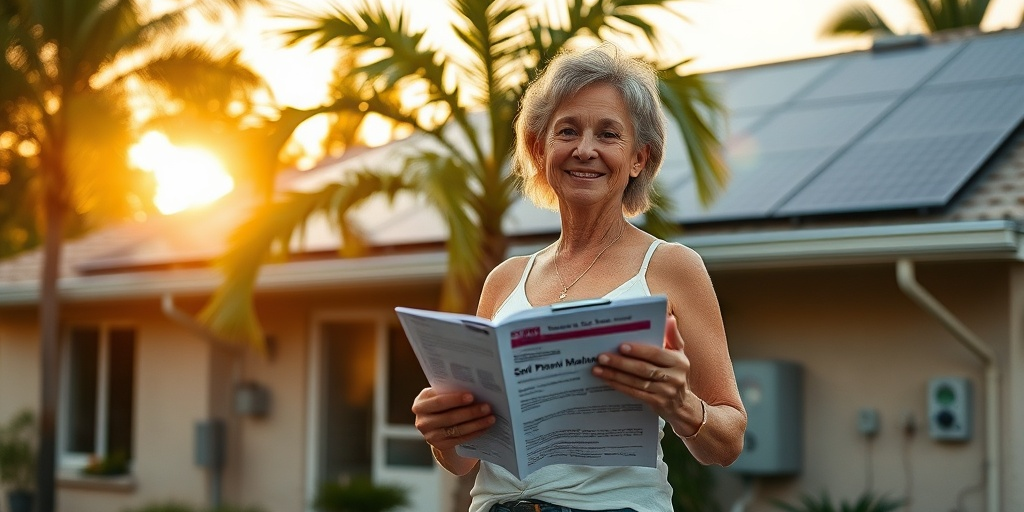
As the solar energy landscape continues to evolve in 2025, understanding how to maintain your solar panel system has never been more crucial. Did you know that over 2.7 million homes in the U.S. have solar panels installed, contributing to significant savings on energy bills? In sunny Florida, the average homeowner can save thousands annually by harnessing solar power—and these numbers are projected to rise as technology improves and costs decrease (SEIA.org). In the “Beginner’s Guide to Understanding Solar Panel Maintenance,” we will delve into tips and tricks that ensure your solar system operates at peak efficiency, ultimately enhancing your utility bill savings.
With rising energy costs and an increasing emphasis on sustainable living, the urgency to maintain your solar installation cannot be understated. As Florida continues to push incentives for solar adoption, homeowners must act quickly to make the most of these advantages and ensure their systems are running smoothly. In this guide, we will cover:
- An in-depth look at real-life case studies: Learn from the experiences of fellow Floridians
- A comprehensive maintenance checklist: Actionable steps to keep your system in shape
- Myth-busting common misconceptions: Clarifying misunderstandings around solar maintenance
- Florida-specific insights: Understand local policies and data that impact your investment
- A technical deep dive: Examine the intricacies of your solar equipment
By the end of this guide, you will be equipped with the knowledge necessary to maximize the efficiency of your solar panel system and enjoy the numerous benefits of solar power in Florida.
Deep Dive: Real-Life Case Studies in Solar Panel Maintenance
Imagine the story of a Florida couple, Jane and Tom, who decided to go solar in 2020. Living in Tampa, they were eager to reduce their electricity bills and embrace renewable energy. They invested in a high-quality solar panel system, which initially performed exceptionally well. However, a year later, they noticed a significant drop in energy production. Their panic grew when they saw their electric bill creeping back up.
What went wrong? After consulting with a local solar installation expert, Jane and Tom learned the importance of regular maintenance. The culprit was the accumulation of dirt and debris on their panels, which had reduced efficiency by as much as 20%. Regular maintenance can improve energy production by up to 25% (NREL.gov). With a few simple cleaning techniques and an established maintenance schedule, they soon saw their energy output return to expected levels.
- Conduct Regular Inspections: Jane and Tom began conducting quarterly inspections, noting any physical changes to their system, such as cracks in the glass or wear and tear on wiring.
- Professional Cleaning: They learned that hiring professionals to clean their panels at least twice a year significantly boosted their energy output.
- Monitoring Systems: They installed a monitoring app that allowed them to track energy production and detect potential issues in real-time.
This case study illustrates the critical nature of routine maintenance for solar panels. In Florida, the unique environmental conditions such as humidity, rainfall, and debris accumulation may necessitate different maintenance strategies than other states. It’s essential for solar homeowners to understand their systems and implement a proactive approach to keep them running efficiently.
Now, for maintenance of your solar panels, follow these actionable steps:
Essential Maintenance Checklist for Your Solar Panels
Are you ready to take control of your solar energy system? Start with this essential maintenance checklist that every Florida homeowner should follow to optimize their solar panel performance.
- Step 1: Schedule Regular Inspections
- Step 2: Address Tree and Vegetation Growth
- Step 3: Clean Your Panels
- Step 4: Monitor System Performance
- Step 5: Consult Professionals Regularly
At least twice a year, inspect your solar panels for any visible signs of damage or wear and tear. Look for dirt accumulation, cracked panels, or exposed wiring. A close inspection can help you identify small issues before they grow into costly repairs.
Ensure that trees or other vegetation do not cast shadows on your panels, as this can significantly reduce energy efficiency. Trim any branches that may impede sunlight access to your solar system.
In regions with significant dust, pollen, or rain, consider a professional cleaning service semi-annually. Alternatively, use a soft brush or sponge with lukewarm water to gently wash your panels.
Utilize an energy monitoring system to keep an eye on your solar panel efficiency. Most modern systems come equipped with monitoring capabilities to provide real-time data on performance and spot potential issues early.
Never hesitate to consult with a solar energy professional for an annual maintenance check. They can provide insights specific to your model and help you maximize your solar energy savings.
Following this checklist can ensure that you reap the full benefits of your solar investment as you navigate through the ever-evolving energy landscape of Florida. To learn more about local services, visit floridaelectricandsolar.com.
Myth-Busting: Common Misconceptions about Solar Panel Maintenance
As you embark on your solar journey, it’s crucial to dispel common myths around solar panel maintenance that may lead to unwise decisions. Let’s uncover the truth behind these misconceptions.
- Myth #1: Solar Panels Require No Maintenance
While it’s true that solar panels are relatively low-maintenance, they still require periodic attention. In fact, regular maintenance can extend the lifespan of your system significantly (Energy.gov). - Myth #2: Cleaning Solar Panels is Dangerous
Many homeowners fear climbing onto their roofs to clean panels. Hiring a professional service is a safer, efficient alternative that ensures all aspects of your system are thoroughly checked. - Myth #3: All Solar Panels Are Insured Automatically
Documentation of your installation is essential. While many homeowners assume coverage exists, you should always verify your insurance policy includes solar panels and understand the coverage limits. - Myth #4: Maintenance is Too Expensive
Many homeowners think maintaining solar units is costly. In reality, the investments in maintenance help prevent costly repairs in the long run and can lead to increased energy production. - Myth #5: You Don’t Need to Worry About Panel Performance
Monitoring is critical for maximizing solar savings. Homeowners should be actively checking performance metrics rather than waiting until they notice a significant change in their utility bills.
Debunking these myths will empower you to keep your solar panels in peak condition while enhancing your knowledge base as a much wiser homeowner. With proper attention, your solar investment will thrive, and you will maximize its benefits.
Florida-Specific Insights: The Local Solar Landscape
In Florida, the solar landscape is dynamic and continually changing with new policies and incentives designed to promote renewable energy. Understanding these local insights can significantly influence your solar panel maintenance plan.
For instance, Florida offers a 30% federal tax credit for solar system installations—the Investment Tax Credit (ITC)—which remains a powerful incentive for homeowners considering solar as an investment. Furthermore, local utilities provide rebates for solar panel installation, making it even more enticing. ACCion and GPIO, two leading Florida utility companies, have incentives that can cover partial maintenance fees for systems under warranty (DSIREUSA.org).
Other important considerations include:
- Weather Impacts: Florida’s unique climate, with high humidity and rain, often leads to algae and mildew growth on panels. Plan for a more frequent cleaning schedule in these conditions.
- State Regulations: Regularly check state regulations regarding solar installations. Policies may benefit or affect your system’s warranty coverage and maintenance.
- Community Energy Programs: Engage with community solar energy programs that offer education about best practices and tailored maintenance tips specific to Floridians.
Embracing these local insights ensures you are well-prepared for your solar maintenance journey. For more information on best practices in Florida, visit floridaelectricandsolar.com.
Technical Deep Dive: Understanding Your Solar Equipment
Maintenance extends beyond just cleaning; understanding the technology that powers your solar system ensures you’re making informed decisions about your solar energy. Here’s a closer look at key components and how they work together:
- Solar Panels: These are the heart of your system, transforming sunlight into electricity. Ensure you know how to identify potential damages on the panels themselves, as they can affect overall efficiency.
- Inverters: This component converts the direct current (DC) generated by your panels into alternating current (AC), which is what your home uses. Monitoring inverter performance is essential, as a faulty inverter can dramatically affect energy output.
- Batteries: If your system includes battery storage, be vigilant about maintenance routines specific to battery care and ensure you monitor their health regularly.
- Monitoring Devices: Familiarize yourself with any monitoring systems installed to check performance data. These devices can alert you to any irregularities promptly.
Understanding each component helps you grasp how maintenance impacts overall system performance. Keeping tabs on the technical aspects can significantly influence savings and your overall solar investment.
Next Steps for Florida Solar Buyers in 2025
Are you ready to take the plunge into solar energy? Before moving forward, consider these next steps to ensure a positive experience throughout your solar journey:
- Step 1: Audit Your Electric Bill
Analyze your electricity usage to determine what sized system will best suit your needs. Consider peak usage times and align your solar generation accordingly. - Step 2: Research Local Installers
Investigate licensed solar installation companies in your region. Look for testimonials and reviews to guide your selection process. - Step 3: Understand Local Incentives
Investigate available rebates and tax credits to maximize your savings. Florida offers great incentives that contribute to a sound investment. - Step 4: Schedule a Professional Maintenance Plan
Set up a regular maintenance schedule with a qualified technician who can guide you through optimal care for your system. - Step 5: Stay Informed
Subscribe to solar energy newsletters and follow reputable websites to keep abreast of energy policy changes and technological advancements.
By following these steps, you will be well-prepared as you invest in solar energy and optimize your system’s performance. For more resources and information on solar energy, visit floridaelectricandsolar.com.
Conclusion
Through this “Beginner’s Guide to Understanding Solar Panel Maintenance,” we have explored the importance of solar panel upkeep and the small efforts required to ensure your investment remains beneficial. From learning through real-life case studies to debunking common myths and understanding local insights, this guide offers comprehensive knowledge to equip you for success.
As Florida homeowners navigate the ever-changing energy landscape, understanding solar maintenance will be pivotal in maximizing savings and efficiency. Solar energy not only lowers your electric bills but also contributes to a sustainable future for generations to come.
Ready to start your solar journey in 2025? Connect with a certified expert at floridaelectricandsolar.com today.
Related Articles
More insights about Solar Panel

Florida Homeowners: Why Solar Panel Maintenance Is Essential

7 Essential Steps for Solar Panel Installation Success

Expert Insights: Key Factors Influencing Solar Panel Lifespan
Ready to Go Solar?
Have questions about solar energy? Our experts are here to help you make the switch to clean, renewable energy.