
Proven Insights on Choosing the Right Inverter for Solar Systems
Share:
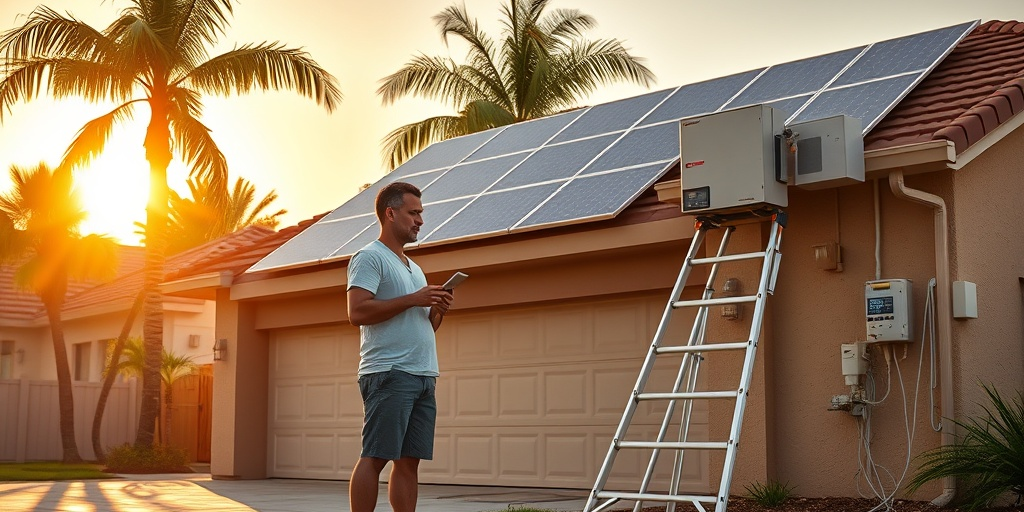
When it comes to adopting solar energy in Florida, understanding the crucial components of a solar system is vital for maximizing your investment. One component that can make or break your system’s efficiency and reliability is the inverter. In fact, it’s estimated that around 20% of your solar power’s efficiency hinges on the right inverter choice (Energy.gov). Have you ever wondered how you can improve your solar ROI simply by selecting the right inverter? In our article, Proven Insights on Choosing the Right Inverter for Solar Systems, we delve into critical insights that can empower Florida homeowners and commercial property owners alike. As we step into 2025, with rising energy costs and new solar incentives on the horizon, understanding how to effectively select an inverter is more urgent than ever. This article will guide you through five critical sections: a deep dive into inverter types, a checklist for making the right choice, busting common myths, focusing on local statistics, and a technical deep dive into how your inverter impacts your entire system.
Understanding Inverter Types: Choose Wisely!
In the quest for solar energy efficiency, your inverter stands as the unsung hero that converts the sunlight captured by your solar panels into usable electricity for your home. Yet, with various types available, how do you ensure you’re making the right choice? For instance, consider the differences between string inverters, microinverters, and power optimizers. Each serves a unique purpose and boasts distinct advantages.
- String Inverters: Typically used in residential systems, string inverters are cost-effective and serve multiple solar panels grouped in a series. These are ideally suited for homes with unobstructed sunlight access, making them a popular choice.
- Microinverters: These tiny devices are mounted on each solar panel, offering individual performance monitoring and optimization. They mitigate the risks of shading, meaning homes with partial sunlight can benefit significantly from this setup.
- Power Optimizers: Acting as a middle ground, power optimizers are DC/DC converters that enhance the performance of solar panels while still using a string inverter. They are excellent for maximizing production in homes where shading may occur.
To illustrate the importance of these choices, let’s consider the case of the Smith family, who lived in Gainesville, Florida. They opted for traditional string inverters when they installed their solar system. Shortly after, they noticed significant power drops during peak sun hours, which created concerns about their investment. Upon further investigation, they learned that shading from their nearby trees was diminishing their output. They ultimately switched to microinverters, and the difference was night and day—boosting their annual savings by 30% (FloridaElectricAndSolar.com).
Your Essential Inverter Selection Checklist
Deciding on the right inverter could seem daunting, but breaking it down can help simplify the process. Here’s a straightforward checklist to follow:
- Step 1: Evaluate Your Solar Needs
Consider factors such as how much energy your household consumes, the size of your solar installation, and how much sunlight reaches your property to determine what type of inverter might serve you best. - Step 2: Research Inverter Brands
Look into reputable manufacturers and the warranties they offer. A good warranty can signal durability and reliability over the years. - Step 3: Check for Monitoring Capabilities
Choose an inverter that allows for monitoring, so you can track your system’s performance in real time. This data can help you take action swiftly if any issues arise. - Step 4: Consult Local Experts
Engage with local solar contractors who understand the unique challenges and benefits of solar energy in Florida. Their insights will prove invaluable to your decision-making process. - Step 5: Assess Cost vs. Benefits
Weigh the initial costs of different inverter types against potential long-term savings. While microinverters and optimizers can be pricier initially, they often yield higher overall savings.
With this checklist, not only can you better navigate inverter options, but you can also utilize these steps to streamline your decision-making process, ensuring an informed investment.
Busting Common Myths About Solar Inverters
Despite the benefits of solar, many Florida homeowners remain skeptical or misinformed about the technology. Here are some prevalent myths and the truths that debunk them:
- Myth #1: All Inverters Are The Same
This is far from the truth. The selection of the inverter can dramatically impact the efficiency of your solar system. As discussed earlier, the inverter type directly correlates to how well your system performs. - Myth #2: Inverters Only Need to Be Replaced Every 20 Years
While some inverters may last that long, many require replacement every 5-15 years depending on usage, conditions, and maintenance (SEIA.org). - Myth #3: Low-Cost Inverters Are Just as Effective
While you may save upfront, lower-cost inverters often come with fewer features and shorter lifespans, leading to greater costs down the line due to inefficiencies. - Myth #4: Solar Systems Only Work in Sunny Weather
Solar systems can still generate electricity on cloudy or overcast days, although the output may be reduced. Proper inverter choices manage this variation effectively. - Myth #5: You Don’t Need to Monitor Inverter Performance
Monitoring is essential. Identifying issues early can prevent larger problems down the road, ensuring optimal performance at every point of the year.
By debunking these myths, Florida homeowners can make more informed decisions, leading to a stronger return on investment and a smoother transition to renewable energy.
Florida Focus: Local Statistics and Incentives
When navigating the solar marketplace, it’s essential to consider local statistics and incentives that can significantly influence your purchasing decisions. For Floridians, there are several resources available that can ease the transition to solar energy. In 2022, Florida led the nation in solar growth, with over 5,000 megawatts installed, signaling an increasing trend towards solar adoption (SolarReviews.com). In light of this evolution, understanding how your inverter choice can connect with these statistics is paramount.
- 1. Net Metering: Florida offers net metering, allowing homeowners to receive credits for the excess energy their solar panels send back to the grid—a beneficial consideration when determining how to size your inverter.
- 2. Tax Incentives: Homeowners can benefit from the Federal Investment Tax Credit (ITC), which provides a 26% tax credit on solar system installations.
- 3. Local Incentives: Various local programs also exist, such as property tax exemptions on solar equipment, further incentivizing the switch to solar (DSIREUSA.org).
By aligning your choice of inverter with these local resources, you can amplify your savings and optimize your overall solar experience.
Technical Deep Dive: Understanding the Role of Inverters
The inverter not only connects your solar panels to your electrical system but also plays a critical role in energy conversion and system safety. Understanding this role can significantly affect your long-term satisfaction with your solar system. Here’s a deeper dive into how the inverter fits in:
- Energy Conversion: Inverters convert direct current (DC) generated by solar panels into the alternating current (AC) used by most home appliances.
- Voltage Regulation: Effective inverters help regulate voltage, ensuring your home receives consistent power without surges that could damage appliances.
- Performance Monitoring: Modern inverters incorporate monitoring technology that tracks energy production, offering insights that can help homeowners make data-driven decisions about energy use.
- Internal Safety Features: Many inverters have built-in safety mechanisms to protect against electrical hazards and can isolate the system from the grid for maintenance without shutting down other functionalities.
- Impact on Energy Bills: A properly functioning inverter means less wasted energy, translating into lower energy bills and less strain on your energy system overall.
By understanding these technical facets, Florida homeowners can make informed choices, ensuring your solar systems run at peak efficiency while maximizing cost savings.
Next Steps for Florida Solar Buyers in 2025
As you embark on your solar journey, take these actionable steps to move from uncertainty to clarity:
- Step 1: Audit Your Electric Bill
Review your historical electricity usage to determine how much power you might expect from solar panels. Understanding this metric will help guide your inverter size choice. - Step 2: Research Inverter Options
As discussed, learning the different inverter options available is essential. Reach out to reputable suppliers and installers for insights. - Step 3: Get Professional Insight
Consult local solar experts and contractors to get estimates and professional opinions tailored to your unique energy needs. - Step 4: Estimate Return on Investment
Calculate potential savings and payback periods considering current tax credits and rebates available in Florida. - Step 5: Make Your Decision
Armed with insights from this guide, confidently choose your inverter and commit to making the switch to solar energy.
These steps not only mitigate risks but will facilitate a smoother transition, ensuring that you enjoy the benefits of solar energy as soon as possible. For more information on solar energy systems, visit floridaelectricandsolar.com.
As we wrap up this comprehensive guide on choosing the right inverter for your solar system, one thing is clear: making an informed decision is crucial for maximizing your investment. In our exploration, we’ve traversed vital considerations across various aspects of inverter technology and its intersection with local realities. Understanding these elements can empower you to embrace solar energy with confidence, reduce electric bills, and contribute positively to our environment. As you weigh your options, remember that the future of energy belongs to innovators and households that dare to invest today.
Ready to start your solar journey in 2025? Connect with a certified expert at floridaelectricandsolar.com today.
Related Articles
More insights about Solar Inverter

10 Quick Tips for Choosing the Right Solar Inverter

Technical Deep-Dive: Choosing the Right Inverter for Solar Efficiency

The Ultimate Guide to Choosing the Right Inverter for Solar Systems
Ready to Go Solar?
Have questions about solar energy? Our experts are here to help you make the switch to clean, renewable energy.