
Myth-Buster: Debunking Misconceptions About Solar Panel Lifespan
Share:
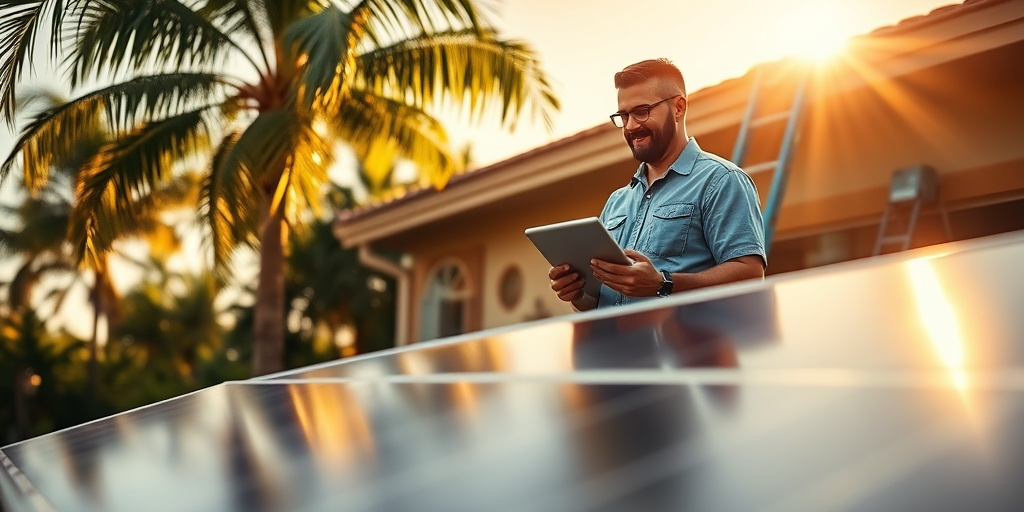
Imagine a future where your electric bills are slashed in half, your energy bills are essentially zero, and you’re contributing to a cleaner planet—all while increasing the value of your home. Sounds too good to be true? Many Florida homeowners wonder whether solar power is a fad or a genuine investment worthy of their attention. In fact, a survey from the Solar Energy Industries Association found that 90% of Americans support expanding solar energy (SEIA.org). However, despite this widespread acceptance, myths persist as vigorously as the Florida sun. In our blog titled Myth-Buster: Debunking Misconceptions About Solar Panel Lifespan, we’ll tackle these myths head-on. When it comes to solar panel lifespan, over 80% of homeowners believe they will need to replace their panels every 10 years—a misconception that deters many from pursuing solar (SolarReviews.com). In 2025, as we face rising energy costs and an impending shift towards greener energy solutions, understanding the real lifespan of solar panels is more critical than ever. Our exploration covers five essential themes: a deep dive into prevalent misconceptions regarding lifespan, best practices for solar investments, local considerations affecting Florida homeowners, technical specifications of solar components, and actionable steps to take before you leap into the solar market.
Understanding Solar Panel Lifespan and Common Myths
Are you genuinely worried about how long your solar panels will last? Are you under the impression that they’ll need to be replaced much sooner than expected? Such fears often stem from widespread misinformation. To illuminate the truth about solar panel longevity, let’s dive into a compelling case study followed by a thorough checklist to guide your decision-making. We’ll also debunk several myths that may have clouded your perspective, all while concentrating on local data from Florida to ground our findings in reality.
Case Study: The Rodriguez Family in Orlando
Meet the Rodriguez family, who decided to install solar panels on their home in Orlando in 2017. Initially apprehensive, they had heard the concerns about potential repairs and replacements that could arise with aged solar equipment. However, opting for high-quality panels with a warranty of 25 years proved beneficial. Fast forward to 2025, the Rodriguezes have not had a single panel replaced, and their energy savings have exceeded their expectations, reducing their energy bills by over 75% annually. Their initial investment paid off well within the first six years, demonstrating that premium-quality solar systems can last well beyond 20 years if well cared for.
This case illustrates the reality that well-installed solar panels can provide up to 30 years of service with proper maintenance and care. According to data, the average lifespan of a solar panel is now around 25 to 30 years (Energy.gov), shattering the myth of needing an early replacement. As advancements in solar technology continue to evolve, many panels installed today are designed to endure even longer than before.
Checklist for Maximizing Solar Panel Lifespan
To ensure that your solar panels serve you well for decades, here is a practical checklist:
- Choose High-Quality Panels: Invest in panels that come with long warranties and are manufactured by reputable companies.
- Proper Installation: Hire certified and experienced professionals for installation. Misalignment or poor mounting can shorten lifespan.
- Regular Maintenance: Schedule annual inspections and cleanings. Panels should be kept free of debris for optimal efficiency.
- Monitor Performance: Utilize monitoring systems to track output and detect potential issues before they escalate.
- Know Your Warranty: Always understand your warranty coverage and what it includes for maximum protection.
This checklist can help maximize your investment, conserve energy, and contribute to Florida’s growing solar movement.
Myth-Buster: 5 Common Misconceptions About Solar Panel Lifespan
To provide clarity on solar panel lifespan, let’s examine some prevalent myths:
- Myth #1: Solar Panels Need Frequent Replacement. The truth is, most solar panels last over 25 years. With proper care, many can even push the 30-year mark without needing replacement.
- Myth #2: All Solar Panels Are the Same. While there are many options, not all panels are built to the same standards. Higher quality products often last longer and come with better warranties.
- Myth #3: Solar Panels Lose Efficiency Quickly. Many panels experience very little depreciation in efficiency over their lifespan. Most panel warranties guarantee 80% efficiency even after 25 years (NREL.gov).
- Myth #4: You Can’t Monitor Panel Performance. In fact, many modern solar systems come equipped with monitoring tools that allow homeowners to track energy output and detect issues in real time.
- Myth #5: Solar Panels Hurt Home Value. In reality, homes equipped with solar panels can see an increase in resale value up to $6,000 per installed kilowatt, according to recent studies.
Each of these myths clouds the understanding of solar technology and hinders many homeowners from investing in renewable energy.
Florida Local Focus: Tailoring Your Solar Investment
As a Florida homeowner, understanding local conditions can significantly impact your solar energy decisions. Given our sunny climate, Florida ranks third in the nation for solar capacity (SEIA.org). Additionally, the state offers a variety of incentives, including tax credits and rebates, which can alleviate upfront costs and ensure maximum return on your investment. Nurturing these benefits can make solar power more accessible for households across the state.
Technical Deep-Dive: Understanding Your Solar Components
Solar systems are composed of various components such as panels, inverters, and batteries. Each plays a crucial role in converting sunlight into usable energy. Modern solar panels are typically made from silicon, with two common types: monocrystalline and polycrystalline. Monocrystalline panels are generally more efficient but come with a higher price tag (Energy.gov).
The inverter is another essential component of your solar system. This device transforms the direct current produced by your solar panels into alternating current, which is what your home appliances require. Battery storage systems allow homeowners to store energy generated during the day for use at night or during power outages.
Best Practices for a Future-Ready Solar Installation
As we enter 2025, it is essential to focus on best practices for solar installations to ensure long-term success.
Here are five expert tips to guide you as you make this essential investment:
- Invest in Quality Panels: Don’t skimp on quality. Opt for panels with robust performance ratings and solid warranties.
- Hire Certified Installers: Work with solar installation experts who understand Florida’s unique climate challenges and local regulations.
- Take Advantage of Incentives: Research available tax credits and rebates to offset the initial costs of installation.
- Ensure Proper Positioning: Proper orientation and angle of panels are crucial for maximizing sunlight harvesting.
- Regular Maintenance: Set up a maintenance schedule to have your system inspected and clean as needed.
These best practices can ensure that your solar investment remains profitable over the years.
Expanding Your Knowledge: The Solar Journey of a Florida Family
Let’s meet the Henry family from Tampa, who were early adopters of solar energy. They invested in a solar power system back in 2015, contemplating its long-term viability. Initially, they faced skepticism from friends and family, but they remained committed to their choice. By 2020, they noticed their electric bills drop significantly. Eventually, to better understand their energy needs, they researched factors that would affect their system’s lifespan.
Advantages like Florida’s favorable net metering policy and available state tax incentives played a pivital role in their overall experience. Regarding maintenance, they learned that proper care could prolong their system’s life. Throughout their journey, they admired how much cleaner energy they were harnessing, contributing to the state’s energy goals while enhancing their home’s value without sacrificing comfort.
Key considerations for families like the Henrys include:
- Understanding energy bills and consumption patterns.
- Regularly monitoring system performance statistics.
- Researching additional energy-efficient upgrades to maximize savings.
The Henry family’s story exemplifies the rewards that come with trust and commitment to solar power.
Next Steps for Florida Solar Buyers in 2025
Ready to embark on your own solar journey in Florida? Here’s a streamlined action plan to keep you on track:
- Audit Your Electric Bill: Understand your current usage to see how much you can save by switching to solar.
- Research Local Installers: Find and evaluate trustworthy solar installers in your area.
- Calculate Your Return on Investment: Use solar calculators to estimate costs versus projected savings.
- Take Advantage of Tax Benefits: Learn about your eligibility for federal and state incentives.
- Get Quotes: Request detailed quotes from multiple installers to compare the best options.
Taking these steps can simplify the installation process and empower you to make informed decisions on your new solar power investment. For more guidance, visit floridaelectricandsolar.com.
Conclusion
As our exploration reveals, understanding the true lifespan of solar panels is vital for any Florida homeowner contemplating a switch to solar energy. The myths surrounding solar panel longevity often cloud judgment and hinder investment, pushing many to remain dependent on traditional energy sources.
However, a shift towards renewable energy like solar power can not only stabilize your monthly expenses but also lead to long-term environmental benefits. By dispelling these common misconceptions, we aim to empower homeowners to embrace the solar movement with confidence and clarity.
In this dynamic era of energy change, the opportunity to own your power is here now—don’t let fear hold you back any longer.
Ready to start your solar journey in 2025? Connect with a certified expert at floridaelectricandsolar.com today.
Related Articles
More insights about Solar Panel

Florida Homeowners: Why Solar Panel Maintenance Is Essential

7 Essential Steps for Solar Panel Installation Success

Expert Insights: Key Factors Influencing Solar Panel Lifespan
Ready to Go Solar?
Have questions about solar energy? Our experts are here to help you make the switch to clean, renewable energy.