
Proven Solar ROI Breakdown for Florida Homeowners Looking to Save
Share:
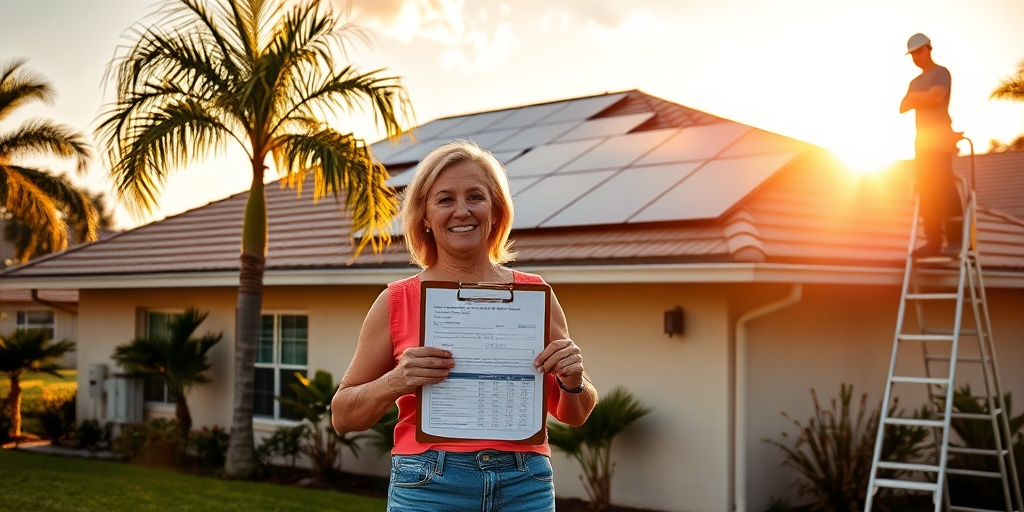
Imagine slashing your energy bills by up to 90% while contributing to a cleaner, more sustainable future. Sounds too good to be true? It’s not—this is the reality for many Florida homeowners who have made the leap to solar energy. In fact, solar energy installations in the Sunshine State have surged over recent years, with reports indicating a remarkable 20% increase in residential applications in 2022 alone (SEIA.org). With Florida’s energy costs continuing to rise, now is the perfect time to explore the Proven Solar ROI Breakdown for Florida Homeowners Looking to Save, particularly as we look toward 2025, a pivotal year for solar incentives. Savings from low or zero electric bills can be substantial, and new laws are set to enhance solar benefits even further. In this comprehensive guide, we’ll break down the return on investment for solar energy by exploring five key areas: a detailed case study of a Florida homeowner’s solar journey, a checklist for maximizing your solar savings, a myth-busting section that addresses common misconceptions, a focus on unique challenges and advantages for Florida homeowners, and a technical deep dive into the crucial components of solar power systems. Let’s dive in!
Understanding Solar ROI: A Real-Life Case Study from Florida
Meet the Griffin family from Orlando, who decided to invest in solar energy in 2022 after facing soaring electricity bills that averaged $250 per month. They conducted extensive research and ultimately partnered with Florida Electric & Solar to install a 10kW solar panel system coupled with a battery storage solution. What motivated their decision? According to a study conducted by the Solar Energy Industries Association, Florida ranks among the top states for solar energy potential due to its abundant sunlight, receiving an average of 264 sunny days each year (SEIA.org).
Over the first year after installation, the Griffins noticed an impressive 75% reduction in their power bill. The investment of $25,000 was recouped through federal solar tax credits, which offered a 30% rebate on the installation costs, significantly lowering the financial barrier. Their annual savings amounted to $1,800 in electric bills, meaning their system would pay for itself within just over 13 years. The Griffins’ experience clearly demonstrates the impressive ROI potential for Florida homeowners in 2025, especially with potential tax incentives set to rise.
- Increased Energy Independence: With Florida’s frequent hurricanes, energy independence offers peace of mind. After their installation, the Griffins felt secure knowing that even during outages, they would have power due to their battery system.
- Property Value Appreciation: According to Zillow, homes with solar systems can increase property values by up to 4.1%. As Florida’s real estate market has continued to flourish, solar energy can enhance your home’s attractiveness to buyers.
- Sustainable Lifestyle Choices: Installing solar power isn’t just an economic decision; it’s an ethical one. The Griffins often discuss how their investment benefits not only their family but the planet, too, promoting solar energy’s sustainability narrative.
Maximizing Your Solar Savings: A Comprehensive Checklist
So, you’ve decided to explore solar energy? Here’s a simple checklist to help you maximize your solar savings as a Florida homeowner.
- Step 1: Audit your energy usage. Look at your past electric bills and determine your monthly energy consumption. Understanding this will inform the size and capacity of the solar system you need.
- Step 2: Understand available incentives. Federal and state incentives can significantly lower your costs. For instance, in 2023, Florida homeowners could take advantage of a 30% federal tax credit (IRS.gov), making it a sound investment.
- Step 3: Consult with a reliable solar provider. Assessing options from local providers like floridaelectricandsolar.com can help streamline your process and ensure you receive optimum installations and warranties.
- Step 4: Choose the right financing option. Whether it’s a solar loan, lease, or cash purchase, each comes with different implications that can impact your ROI.
- Step 5: Monitor performance and savings. After installation, utilize apps or monitoring tools provided by your solar company to track energy production and savings over time.
Myth-Busting: Common Lies About Solar Energy in Florida
Despite its growing popularity, several myths surrounding solar energy exist. Here are some myths debunked:
- Myth #1: Solar energy is too expensive. While initial costs can be high, the return on investment often pays off in less than a decade due to declining panel prices and available incentives.
- Myth #2: Solar panels don’t work on cloudy days. This is false! Solar panels can generate electricity even on overcast days, thanks to advancements in solar technology that enhance efficiency regardless of conditions.
- Myth #3: Solar energy is not reliable. With battery storage options, solar energy can be stored for use during downtimes, offering a reliable energy supply. In fact, according to a report from Energy.gov, solar systems have shown up to a 99% reliability rate.
- Myth #4: You can’t benefit from solar if you live in a rented property. Renters have options too! Through community solar programs, many can enjoy the benefits of solar energy without needing to own a home.
- Myth #5: Installation will damage your roof. Proper installation does not damage roofs when done by certified professionals. In fact, a solar installation can increase the lifespan of your roof!
Florida-Specific Challenges and Opportunities in Solar Energy
Florida boasts ample sunshine and a robust solar market, yet it faces distinct challenges and opportunities. Here, we’ll analyze five of them:
- Incentives and Policy: Florida has a non-mandatory solar access law that ensures users can install solar systems without excessive restrictions, allowing homeowners to maximize their solar investment potential.
- Natural Disasters: Frequent storms or hurricanes pose risks, yet solar installations with robust setups include weather-resistant features, critical for durability and longevity.
- Energy Costs: Florida’s energy rates are higher than the national average. Thus, transitioning to solar can significantly reduce operational costs for homeowners (EnergySage.com).
- Growing Community Support: Growing organizations and community initiatives are increasingly supporting solar deployment, enabling residents to collaborate and share resources.
- Environmentally-Focused Initiatives: With legislation geared toward increasing solar capacity by 50%, Florida homeowners are well-positioned to benefit from collective environmental responsibilities—creating a healthier ecosystem.
Technical Deep-Dive: Understanding Solar Components and Their Impact
Investing in solar energy necessitates understanding the systems in play. Here’s a breakdown of the fundamental components:
- Solar Panels: These capture sunlight. Standard panels come in monocrystalline and polycrystalline forms, with varying efficiencies. In Florida, monocrystalline panels are commonly recommended due to their superior performance in high temperatures.
- Inverters: These convert the DC electricity generated from solar panels to AC electricity, which powers your home. A quality inverter can lead to better efficiency and longer-lasting performance.
- Batteries: Solar batteries store energy for later use, enhancing self-consumption and providing energy during outages. Depending on the system design, batteries can significantly increase ROI by allowing homeowners to use stored energy when electric rates are higher.
- Monitoring Systems: These track your solar system’s performance in real-time, ensuring you maximize energy production and savings. Regular monitoring can help detect potential issues early and maintain system efficiency.
The integration of these components not only improves energy efficiency but ultimately serves as the backbone of your home’s solar investment.
Next Steps for Florida Solar Buyers in 2025
Once you’ve explored the basics of solar energy, it’s essential to create an action plan to replace traditional energy with solar. Consider the following steps:
- Step 1: Audit Your Electric Bill. Understanding how much you currently spend on energy is crucial for gauging your savings potential with solar.
- Step 2: Research Available Incentives. Federal tax credits and local financial incentives can significantly affect your ROI. Stay informed about potential changes in 2025 that can enhance benefits.
- Step 3: Consult Local Providers. Engage with a qualified solar provider, such as floridaelectricandsolar.com, and schedule a consultation to discuss your options.
- Step 4: Consider Financing Options. Evaluate potential loans or payment programs that reduce upfront costs, making solar more accessible to Florida homeowners.
- Step 5: Track and Optimize Performance. After installation, employ monitoring tools to stay on top of your solar energy production levels and make necessary adjustments.
By following these steps, Florida homeowners can effectively transition to solar energy, enjoying financial savings and promoting environmental sustainability.
To wrap it up, we’ve explored the compelling ROI associated with solar energy for Florida homeowners, discussed the steps to harness that potential, and debunked persistent myths. As energy costs rise and incentives become more lucrative, now is the time to make the switch to solar. Your future self will thank you for the financial freedom, and you’ll take pride in doing your part for the planet!
Ready to start your solar journey in 2025? Connect with a certified expert at floridaelectricandsolar.com today.
Related Articles
More insights about Solar ROI

Expert Insight: Understanding Solar ROI Breakdown for Florida Homeowners

Beginner’s Guide to Solar ROI Breakdown for Your Home

Expert Insight on Solar ROI Breakdown for Florida Homeowners
Ready to Go Solar?
Have questions about solar energy? Our experts are here to help you make the switch to clean, renewable energy.