
How One Homeowner Achieved Energy Independence with Solar Panel Installation
Share:
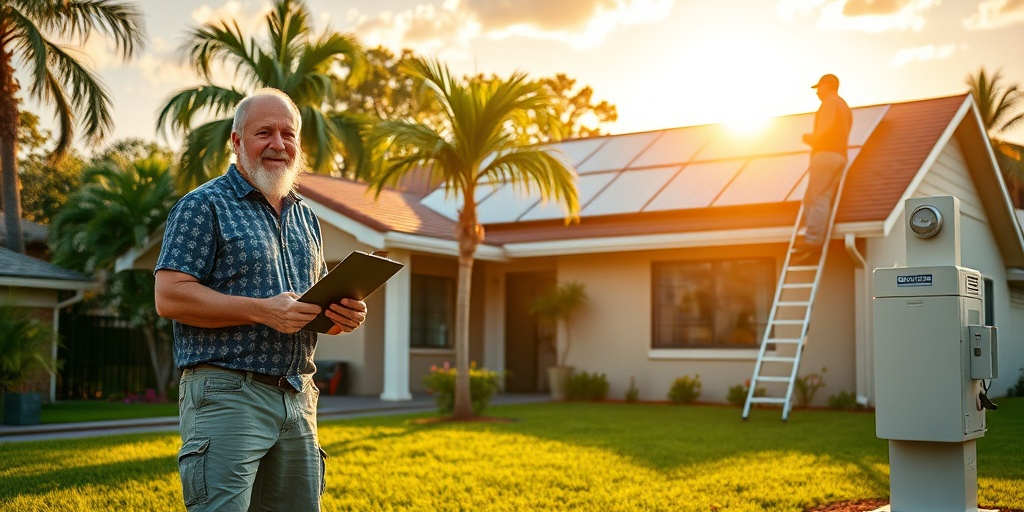
In Florida, the sun shines an average of 237 days a year, making it a prime location for solar power. Did you know that homeowners who install solar panels can save an average of $50,000 over the lifespan of their system? While this figure may seem astonishing, it isn’t the only reason to consider solar. This is especially relevant as we approach 2025, where energy costs are projected to rise by 3-5% annually (Energy.gov). In the blog post titled How One Homeowner Achieved Energy Independence with Solar Panel Installation, we will explore the real-life journey of a Florida homeowner who made the leap to solar energy, achieving not just savings but complete independence from grid reliance.
Jumping into solar energy isn’t just a smart financial decision; it’s an opportunity to own your power and contribute to a sustainable future. But what does this transition truly entail? In this comprehensive case study, we’ll explore five sections that cover both the emotional and technical aspects of going solar: 1) The inspiring case study of a Florida homeowner’s journey to energy independence, 2) Actionable steps to take when considering solar, 3) Common myths debunked so you can make an informed decision, 4) A local focus on specific Florida incentives and conditions that affect your solar journey, and 5) A technical deep dive into the components and policies shaping the solar landscape.
By the end of this post, you will not only discover how one homeowner achieved energy independence with solar panel installation but also walk away with practical knowledge to help you embark on your own solar journey, especially significant in a time when energy independence is more critical than ever. Let’s dive into the narrative that showcases the transformative power of solar energy.
A Journey to Energy Independence: The Case Study of the Johnson Family
Meet the Johnson family, residents of Sarasota, Florida, who were once struggling with escalating electricity bills averaging around $300 each month. With two kids, a home office, and a growing list of daily electrical needs, the family felt overwhelmed by their reliance on conventional power sources. In 2023, they decided to explore an alternative: solar energy. After extensive research and consultations, they chose Florida Electric & Solar for their installation.
Their journey began with a free consultation. This is a crucial step when considering solar power — understanding your current usage and what your solar potential might look like. An experienced representative analyzed their energy consumption and projected their future needs, emphasizing the potential savings: “Reducing your electric bill by 70-90% is entirely feasible with a properly sized system,” they assured. The Johnsons would be able to save not just in dollars but also own their energy. The potential savings, driven by Florida’s abundant sunshine and the federal tax credits available in 2023 (SEIA.org), inspired confidence in their choice to go solar.
Before installation, the family was presented with a thorough checklist of considerations:
- Assessing Energy Needs: This involves understanding how much electricity your family consumes. For the Johnsons, a 10kW system was suggested based on their energy bills.
- Researching Financing Options: They explored various financing methods, from cash purchases to solar loans and leases, ultimately opting for a power purchase agreement.
- Selecting Equipment: The Johnsons learned about the different types of solar panels (monocrystalline vs. polycrystalline) and inverters, ensuring they chose quality equipment that met their needs.
- Understanding Permit Requirements: They worked with Florida Electric & Solar to ensure all permits were in place before installation.
- Reviewing Installation Processes: They were informed about the entire installation process to set realistic expectations.
This checklist was invaluable, helping the Johnsons stay organized throughout their experience. Installation occurred in the summer of 2023, and within just a few days, their solar power system was up and running. The excitement in their household was palpable as they switched from traditional energy to renewable energy sources.
After installation, the results were remarkable. Their monthly electric bill dropped to less than $50, as much of their electricity needs were met by their solar panels. They also learned how to monitor their energy production through an app, giving them real-time insights into their consumption and savings. The Johnsons felt liberated, knowing they were contributing to a cleaner environment while saving for their children’s college education.
One year later, they found themselves not only enjoying substantial savings but also energy independence. This transformation changed their perception of energy consumption and made them advocates for solar energy within their community.
The Johnson family’s journey is a perfect illustration of what can be achieved with solar power. However, these combined experiences and insights should serve not just as an inspiration but also as a blueprint for others considering the shift to solar energy. The potential benefits are worth pursuing, especially as energy costs rise and climate consciousness becomes even more integral to our lives.
What about the common myths surrounding solar? Let’s debunk some misconceptions that can often cloud homeowners’ decision-making processes.
Common Myth-Busters for Solar Energy
There are numerous myths about solar energy that can dissuade homeowners from pursuing this clean energy source. Let’s break down some of the most prevalent myths:
- Myth #1: Solar Panels Are Too Expensive – Many believe that solar energy is beyond their financial reach. With financing options, federal tax credits up to 30%, and state incentives in Florida, the upfront costs have become significantly more manageable (SolarReviews.com).
- Myth #2: Solar Energy Isn’t Effective in Cloudy Weather – While it’s true that solar panels are most effective in direct sunlight, they can still generate power on cloudy days. In fact, many homeowners in Florida, with its ample sunshine, see excellent results regardless of occasional overcast weather patterns.
- Myth #3: Solar Panels Require Too Much Maintenance – In reality, solar panels are designed to be low-maintenance. Regular cleaning and occasional checks are sufficient in most cases. Over time, homeowners often find they spend less on solar upkeep than on their traditional energy systems.
- Myth #4: Installing Solar Panels Will Lower My Property Value – Numerous studies show that homes with solar panels sell faster and at a higher price than those without (NREL.gov). In fact, buyers are increasingly drawn to energy-efficient features.
- Myth #5: Solar Systems Are Complicated to Use – Modern solar systems come equipped with intuitive technologies that allow homeowners to monitor their energy usage and savings effortlessly. They demystify electricity consumption, encouraging homeowners to adopt sustainable practices.
Now that we’ve dismantled these myths, it’s important to focus on the unique advantages that come with installing solar power systems in Florida. As we continue, we will address how specific policies, even local incentives, can create a more favorable environment for solar homeowners.
Florida-Specific Advantages of Solar Energy
Florida is often referred to as the “Sunshine State” for good reason. The state’s unique geographical position results in abundant sunlight, making solar energy an attractive prospect for homeowners. Moreover, there are several incentives and programs in place that specifically benefit Florida homeowners who decide to switch to solar power:
- Net Metering: Florida homeowners can benefit from net metering, which allows them to receive credits for any excess energy their solar panels produce and feed back into the grid. This means they can offset their electricity bills during times when solar production exceeds consumption.
- Sales Tax Exemption: One of the best ways to save during installation is the sales tax exemption for solar equipment, providing substantial savings on the purchase of solar panels and related components.
- Property Tax Exemption: In Florida, solar installations increase the value of your home without increasing property taxes. Homeowners can confidently invest in solar energy knowing their investment won’t be taxed at higher rates.
- Federal Solar Tax Credit: A federal solar tax credit allows homeowners to deduct a significant percentage of their solar installation costs from their federal taxes (SEIA.org). This incentive encourages more Floridians to consider solar energy.
- Local Utility Programs: Many local utility companies offer incentives or rebates for homeowners installing solar systems, making the transition even more affordable.
These incentives make the timeline for a return on investment significantly shorter, especially in states like Florida that enjoy such favorable solar conditions. The state is witnessing exponential growth in solar energy adoption largely thanks to these provisions. Florida stands as a testament to how strategic policies can catalyze the transition to renewable energy sources.
But while incentives and benefits can seem enticing, are there elements of solar technology that might remain mysterious? In our next section, let’s delve deeper into the technical aspects of solar systems and policies and what you need to know before making your switch.
The Technical Deep-Dive into Solar Energy Systems
Understanding the technology behind solar energy can significantly bolster your confidence in making the switch. Several key components work harmoniously together to harness solar energy effectively:
- Solar Panels: These are the most visible elements of a solar energy system, converting sunlight into electricity. The most common types are monocrystalline and polycrystalline panels, with monocrystalline typically being more efficient.
- Inverters: Solar inverters convert the direct current (DC) generated by solar panels into alternating current (AC), which is usable in your home. Different types of inverters include string inverters, microinverters, and power optimizers, each with its advantages and drawbacks.
- Battery Storage: As the demand for energy independence grows, battery storage systems offer the flexibility to store excess solar energy for use during power outages or high-demand periods. Lithium-ion batteries have surged in popularity for their efficiency and lifespan.
- Monitoring Systems: These systems track energy production and consumption in real time, providing homeowners insights into their energy use, potential savings, and functionality of the solar setup.
- Performance Optimization: Understanding how to maximize efficiency—location, angle, shading—are vital for harnessing the most energy from your system. Comprehensive evaluation during installation can yield remarkable results.
In the context of state and federal policies affecting solar energy, Florida has made significant strides. Laws like the Florida Renewable Energy Standard require utilities to provide customers with solar energy usage data. Moreover, the arrangement of Florida’s net metering system ensures customers are given fair value for the energy their systems contribute to the grid.
If you are contemplating a solar system, it is critical to understand these components and policies. They all contribute to making your solar investment worthwhile, offering you the basics of how a solar energy system works and how best to take advantage of it.
Next Steps for Florida Solar Buyers in 2025
Having gathered insights into the journey of homeowners like the Johnsons and deepened your understanding of solar energy, it’s time to create an actionable plan for your solar investment. Here are the essential steps you can take as you navigate this tranformation:
- Step 1: Audit Your Electric Bill – Start by understanding your current electricity usage and researching how solar can fit into your lifestyle and budget. Look for ways you can minimize consumption before transitioning to solar.
- Step 2: Research Solar Providers – Look for reputable solar installation companies in your area, focusing on those with glowing reviews and well-established reputations. Don’t hesitate to ask for references from previous customers.
- Step 3: Request Quotes and Assess Financing Options – Obtain multiple quotes for estimates, making sure to clarify whether all costs, including permits and installation, are included. Explore financing options like loans or leasing to determine what suits you best.
- Step 4: Ask About Warranties and After-Sales Support – A trustworthy provider should offer solid warranties on both panels and installation work, along with proactive customer support to assist you after the system goes live.
- Step 5: Prepare for Installation – Ensure your property is ready for installation day. This includes clearing the area where the panels will be installed and addressing any structure changes that may need to be made.
By following these steps methodically, you will position yourself well for a smooth transition to solar energy, especially with all the incentives and technological advancements available in 2025.
The journey towards adopting solar energy is not just about saving costs; it represents a commitment to sustainability and energy independence that can empower you and your family for generations to come. The Johnson family’s story demonstrates the profound impact of this choice. Remember, transitioning to solar will not only safeguard your family’s future but also contribute positively to the environment.
Ready to start your solar journey in 2025? Connect with a certified expert at floridaelectricandsolar.com today.
Related Articles
More insights about Solar Panel

Florida Homeowners: Why Solar Panel Maintenance Is Essential

7 Essential Steps for Solar Panel Installation Success

Expert Insights: Key Factors Influencing Solar Panel Lifespan
Ready to Go Solar?
Have questions about solar energy? Our experts are here to help you make the switch to clean, renewable energy.