
Don’t Fall for These Critical Solar Scams in Florida
Share:
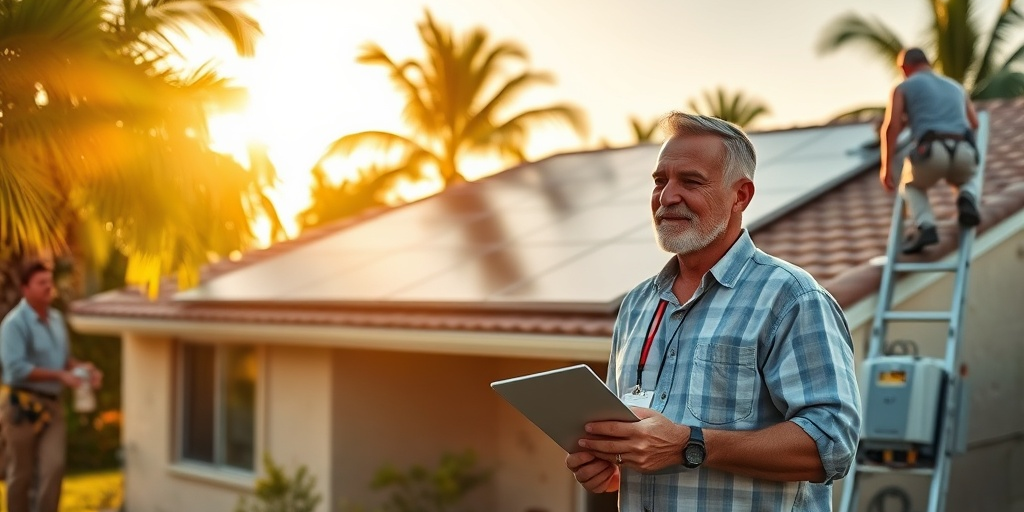
Picture this: you’ve finally decided to take the leap into solar energy, motivated by the rising costs of electricity and the promise of energy independence. But wait! As you delve into the promising world of solar installations, you hear troubling stories: a neighbor coerced into a deceptive contract, or an influencer pushing a spurious “too good to be true” offer. Welcome to the minefield of solar scams that lurk in every corner of the sunshine state. In this comprehensive guide titled Don’t Fall for These Critical Solar Scams in Florida, we will arm you with the knowledge you need to protect your investment while navigating the complexities of solar panel installation in 2025. Did you know that Florida ranks third in the nation for installed solar capacity, surpassing over 4,200 megawatts as of the end of 2022? This explosive growth has unfortunately set the stage for con artists to prey on unsuspecting homeowners (SEIA.org). Even more staggering, a survey revealed that 25% of homeowners reported facing misleading information while considering solar energy options (SolarReviews.com). Clearly, this topic is critical in 2025, with new solar incentives and increasing energy costs stretching family budgets to their limits.
In this article, we’ll cover the five key sections to ensure you’re not caught off-guard by scams in the solar realm:
- Case Studies of Solar Scams in Florida
- A Solar Scam Prevention Checklist
- Common Myths Surrounding Solar Installations
- Understanding Florida Solar Policies and How They Impact You
- Your Next Steps to Ensure a Safe Solar Investment
Understanding these crucial elements will empower you to make informed decisions and fortify your journey with solar energy while avoiding the traps laid by deceitful solar scoundrels.
Beware of These Solar Scam Case Studies in Florida
Let’s paint a vivid picture of what a scam can look like. Meet the Millers, a hardworking family living in Orlando. They were eager to reduce their electric bills and invest in a sustainable future when they received a call from a company promising a “no upfront cost” solar installation. Excited by the offer, they quickly signed a contract without reading it thoroughly.
Weeks later, they found out that the company had misled them regarding the installation date, and to make matters worse, the contract had several hidden fees that ballooned their investment beyond their budget. In the end, they were left in the dark with high electric bills and a hefty financial burden they didn’t foresee—only then did they realize they had fallen victim to a scam.
To prevent this from happening to you, follow this checklist to navigate your solar experience safely:
- Research the Company – Check online reviews, ask for customer references, and validate their credentials.
- Read the Fine Print – Make sure to scrutinize your contract to understand the terms and conditions fully.
- Don’t Rush Decisions – Take your time to consult multiple quotes and don’t be swayed by high-pressure sales tactics.
- Verify Licensing and Insurance – Confirm that your installer holds the proper licenses and insurance in Florida.
- Check for Incentives – Research state and federal incentives that can help make your solar investment more affordable.
By following this checklist, you may avoid the unfortunate fate of the Millers and safeguard your investment. With solar policies constantly evolving in Florida, ensuring you’re in the know when searching for a reputable installer is critical.
Let’s tackle a common myth next—many potential buyers often think that solar panels won’t produce energy during cloudy days, leading to skepticism about solar’s reliability. Myth #1: “Solar Panels Don’t Work Without Direct Sunlight.” The reality is that solar panels can generate energy even on cloudy days, utilizing diffused sunlight effectively. Research indicates that solar energy systems are designed to take advantage of various conditions, producing energy even in partially shaded environments (Energy.gov).
Common Myths Surrounding Solar Installations
The misconceptions surrounding solar installations can deter Florida homeowners from reaping the vast benefits of solar energy. Let’s shine the light on some prevalent myths you may encounter:
- Myth #1: Solar panels don’t work during winter.
- Myth #2: Once installed, solar panels require a lot of maintenance.
- Myth #3: It’s too late to invest in solar because I’m renting.
- Myth #4: Solar installations are too expensive without immediate returns.
- Myth #5: All solar companies are the same.
Let’s debunk these myths:
The first myth is that solar panels are only effective in bright sunlight; however, solar cells can harness energy even on gray days. Meanwhile, lack of maintenance is often overstated—most systems only require occasional cleaning and may only need an inverter change every 5-10 years. Renters need not worry, as several solar programs offer options for those who do not own their property. It’s essential to realize that the upfront costs can be offset by incentives and decreasing utility bills, making it more affordable than you think. Lastly, not all companies are created equal—some prioritize customer service, while others focus solely on sales.
By shedding light on these myths, we can bolster your confidence in moving forward with your solar investment. Now, let’s drill down into the unique Florida solar landscape.
Understanding Florida Solar Policies and Their Impact on Your Investment
The local focus in this journey is paramount, as Florida boasts a unique set of solar policies and incentives designed to boost the adoption of solar energy. Understanding these regulations is crucial for all Florida homeowners contemplating a solar installation in 2025.
Firstly, Florida has a net metering policy allowing homeowners to receive credits on their utility bills for excess energy generated back to the grid. This incentivizes solar panel installation, as you can offset electricity costs by selling additional energy your panels produce. Furthermore, the state offers a Sales Tax Exemption for solar accessories, keeping installation costs manageable, along with an exemption on property taxes for increased value due to solar installations (DSIREUSA.org).
However, not all counties in Florida operate under the same regulations. For instance, some areas may offer additional local incentives or restrictions that could alter your decision to invest in solar. Always check with local authorities or a qualified solar consultant.
Additionally, consider the environmental advantages of solar energy—Florida’s abundant sunlight translates to an excellent opportunity for maximizing solar energy production, with data showing that solar installations can increase property value significantly. Not to mention that it can substantially reduce your carbon footprint, positioning you as a responsible homeowner committed to sustainability.
Arming yourself with knowledge about local policies and the broader solar landscape will help ensure your investment pays off in the long run. Now, let’s explore the next steps to safeguard yourself against potential scams.
Your Next Steps to Ensure a Safe Solar Investment
To solidify your solar journey in 2025, follow these detailed steps designed to guide you through the process responsibly.
- Audit Your Electric Bill: Understand your energy consumption patterns, and look for peaks and valleys in your usage.
- Research Solar Providers: Use trusted resources like floridaelectricandsolar.com to compare companies and read reviews.
- Understand the Terms: Ensure clarity in contract terms and conditions before committing.
- Consider Financing Options: Explore different loan options, rebates, and incentives that can lessen your initial investment burden.
- Schedule Inspections: Have regular inspections done on both solar systems and the condition of your roof to prevent future issues.
By following these actionable steps, you can not only avoid scams but also pave your way toward a sustainable solar future. Lastly, let’s circle back to reconsolidate our key takeaways.
Conclusion
As we conclude this thorough examination of solar scams in Florida, it becomes clear that knowledge is power. Understanding the darker side of the solar industry, coupled with actionable strategies and insights into local regulations, ensures that your investment will thrive in sustainability and efficiency. Whether you’re a homeowner or a commercial property owner, taking charge of your solar journey is crucial as we venture into 2025 and beyond.
Don’t let deception derail your dreams of owning solar power—remember the Millers’ story, and keep the prevention checklist close at hand. By shielding yourself against myths and misinformation, you’re already strides ahead in this journey.
Ultimately, making the decision to embrace solar energy isn’t just an investment in technology; it’s an investment in your future, your family, and your community. So why wait any longer? Ready to start your solar journey in 2025? Connect with a certified expert at floridaelectricandsolar.com today.
Related Articles
More insights about Solar Scams

Warning: Don’t Overlook These Solar Scams to Avoid

Don’t Miss This Critical Alert About Solar Scams

Don’t Ignore These Critical Solar Scams to Avoid
Ready to Go Solar?
Have questions about solar energy? Our experts are here to help you make the switch to clean, renewable energy.