
Expert Insights on Solar Panel Lifespan for Your Home
Share:
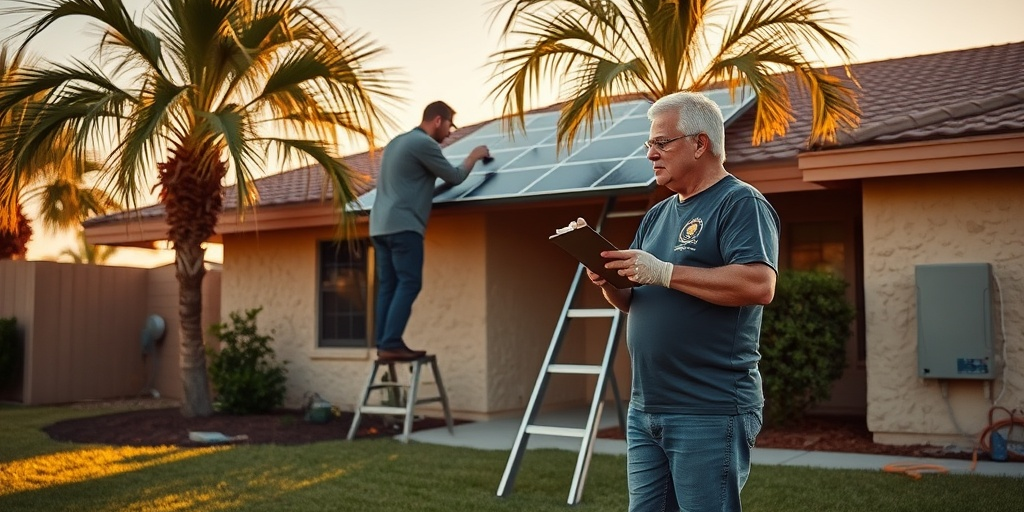
In the rapidly evolving landscape of energy solutions, Florida homeowners are increasingly looking to solar power as a viable investment. Did you know that the average solar panel has a lifespan of over 25 years, with some manufacturers offering warranties of up to 30 years? This compelling statistic highlights the long-term benefits of solar energy, illuminating its role in reducing electric bills and increasing energy independence. In our blog post titled Expert Insights on Solar Panel Lifespan for Your Home, we aim to dissect the crucial factors that impact the lifespan of solar panels, arming you with insights to make informed decisions. With rising energy costs and new solar incentives emerging in 2025, understanding these elements has never been more urgent. As over 80% of Florida’s electricity is generated from fossil fuels, the need for sustainable solutions has never been clearer (Energy.gov). Join us as we explore five key sections that will guide you through the intricacies of solar panel durability, installation, and maintenance, ensuring you get the most out of your investment.
The Lifespan of Solar Panels: What You Need to Know
When considering solar energy for your home, one of the most critical factors to evaluate is the lifespan of solar panels. Although advancements in technology have significantly improved the durability and efficiency of these systems, various elements come into play regarding their longevity and effectiveness over decades.
To understand these factors comprehensively, let’s dive into a case study of the Martinez family from Palm Beach, Florida. After reviewing local electricity bills that soared over $200 per month, they decided to transition to solar energy in early 2023. Concerned about the longevity and maintenance of the panels, they consulted Florida Electric & Solar, which assured them that high-quality panels could last between 25 to 30 years with proper care. According to the Solar Energy Industries Association, solar power installations in the U.S. increased by over 20% just in 2022, reflecting a growing trust in solar panel technology as a long-term solution (SEIA.org).
Here’s a checklist to guide you through essential aspects affecting the lifespan of solar panels:
- Type of Panels – Consider high-efficiency panels that are known for their durability.
- Installation Quality – Invest in professional installation to minimize long-term issues.
- Locational Factors – Assess local weather conditions that may impact panel effectiveness.
- Maintenance Schedule – Regular check-ups can help extend the system’s life.
- Manufacturer’s Warranty – A solid warranty often indicates the manufacturer’s confidence in their product.
There are several prevalent myths concerning solar panel longevity that deserve debunking:
- Myth #1: Solar panels become ineffective after 20 years. In reality, many models continue to function effectively beyond this point, albeit at a slightly decreased efficiency.
- Myth #2: Solar systems are not suitable for Florida’s humid environment. Conversely, Florida’s sunshine is perfect for solar energy generation, and many systems are designed to withstand high humidity.
- Myth #3: You only save money in the first few years. However, when properly maintained, a solar system can yield savings for your entire lifespan, even beyond 30 years.
With local policies promoting solar energy adoption, Florida offers substantial rebates and tax incentives, encouraging homeowners to make the switch sooner rather than later. By understanding the technical aspects behind solar installations—including panels, batteries, and inverters—homeowners can secure their investments and harness the full potential of solar energy.
Next, let’s delve deeper into the solar landscape, specifically focusing on the best practices for installing solar panels, ensuring you optimize your investment and maximize returns.
5 Expert Solar Installation Tips for 2025
When deciding to install a solar power system, it’s crucial to adhere to industry best practices to guarantee longevity and efficiency. Here are five expert recommendations to consider:
- Conduct a Thorough Site Assessment: Evaluate your home’s roof condition and orientation. A south-facing roof with minimal shading will yield the best results. According to a study from the National Renewable Energy Laboratory (NREL.gov), optimal installation conditions can enhance energy production by up to 30%.
- Choose Quality Over Cost: Invest in reputable brands that provide warranties extending up to 25 years or longer. Quality panels often maintain their efficiency longer, saving you money in the long run.
- Engage Experts: Find certified solar installers in Florida. A superior installation can make a significant difference in system performance, ensuring panels are properly aligned and securely mounted.
- Integrate Smart Technology: Use monitoring systems to track energy production and consumption. Smart technology can alert you to issues before they escalate, further prolonging your panels’ life.
- Understand Your Local Regulations: Familiarize yourself with neighborhood and state laws before installation. Local incentives and regulations can significantly affect the affordability and feasibility of solar investments.
Each step aligns with securing your investment and paving the way for savings that extend well into the future. With details on policy changes and incentives serving as incentives, now is the time for Florida homeowners to embrace solar energy.
Next, let’s explore a more engaging narrative where we follow a fictitious Florida homeowner throughout their solar journey, uncovering the emotional and financial landscape behind this decision.
A Florida Homeowner’s Solar Journey
Meet Sarah, a dedicated teacher living in St. Augustine, Florida. Faced with soaring electricity bills and a desire to reduce her carbon footprint, Sarah decided to embark on a journey toward solar energy in 2025. With her teaching salary not keeping pace with the rising energy costs, Sarah needed a change that would not only modernize her home but also open up the potential for long-term savings.
Over the past several years, she had grown increasingly wary of the heavy reliance on fossil fuels that powered her home. After attending a local solar energy fair and speaking with experts at Florida Electric & Solar, she gained insight into how she could change her energy production without breaking the bank. Here are the key elements Sarah discovered:
- Financial Savings: With the solar tax credit, Sarah realized she could save up to 26% on her total installation costs.
- Energy Independence: By generating her own electricity, she felt a sense of empowerment, knowing she was contributing to a cleaner planet.
- Community Inspiration: Sarah learned that solar energy not only provides individual benefits but also inspires surrounding neighborhoods to consider their own solar options, potentially creating a ripple effect.
- Enhanced Property Value: The initial investment in solar panels could significantly increase her home’s market value, making it an appealing asset in the long run.
As her system got installed, Sarah remained engaged in the process, learning more about maintenance and maximizing her solar panel output. According to Florida Solar Energy Center studies, a well-maintained solar system can produce up to 90% of the energy it initially generated for its first 25 years (FSEC.org).
This journey to energy independence empowered Sarah, not only as a homeowner but as a community member, reinforcing her belief that she could make a difference—one solar panel at a time. Inspired to take the next step? Let’s explore the action plan for future solar buyers in Florida in 2025.
Next Steps for Florida Solar Buyers in 2025
Ready to dive into the world of solar energy? Here’s a comprehensive action plan to facilitate your transition to solar power:
- Step 1: Audit Your Electric Bill: Review your current electricity bills to understand your usage patterns. This helps determine the size of the system you’ll need.
- Step 2: Explore Incentives: Investigate available federal and state incentives that might apply to your situation. Tax credits can drastically reduce installation costs.
- Step 3: Research Installation Companies: Compare certified solar installers based on reviews, warranties, and their project history. Selecting the right installer can significantly impact your solar experience.
- Step 4: Schedule Consultations: Reach out to at least three installers for consultations. Ask about warranty details, maintenance options, and production guarantees.
- Step 5: Make Your Purchase: Once you’ve done your homework and selected an installer, finalize your purchase agreement and schedule the installation.
Engaged homeowners who follow this step-by-step approach find it easy to navigate the sometimes complex solar landscape. Once installed, you will enjoy a seamless transition to clean energy, reduced utility bills, and a commitment to a sustainable future.
Wrapping it all up, let’s now reflect on the vital takeaways from this insightful exploration into solar energy, especially as it pertains to lifespan, installation, and maintenance.
Conclusion
The journey into solar energy is not just about investing in innovative technology; it’s about shaping a sustainable future for our homes, families, and communities. Understanding the nuances of solar panel lifespan is crucial in making informed decisions that will affect your finances and environmental footprint for decades to come. By following the strategies discussed—from selecting quality panels to engaging reputable installers—you position yourself to maximize the lifespan and efficiency of your solar system.
Given rising energy costs, increasing solar incentives, and Florida’s unique climate, now is the perfect time for homeowners to embrace solar power. Whether you’re motivated by financial benefits, energy independence, or community impact, the choice to switch to solar can lead to profound benefits that extend well beyond your family.
Ready to start your solar journey in 2025? Connect with a certified expert at floridaelectricandsolar.com today.
Related Articles
More insights about Solar Panel

Florida Homeowners: Why Solar Panel Maintenance Is Essential

7 Essential Steps for Solar Panel Installation Success

Expert Insights: Key Factors Influencing Solar Panel Lifespan
Ready to Go Solar?
Have questions about solar energy? Our experts are here to help you make the switch to clean, renewable energy.