
Technical Deep-Dive: Understanding Solar Panel Installation for Energy Independence
Share:
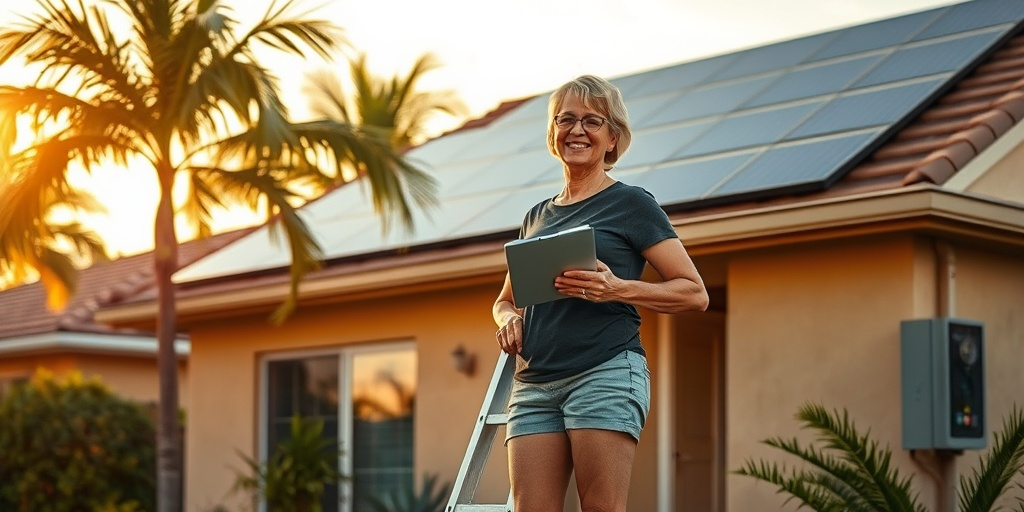
As Florida’s sun-drenched landscapes become brighter with every passing year, an astonishing shift is taking place in the realm of energy independence. Did you know that, according to the Solar Energy Industries Association (SEIA), Florida ranks third in the nation for solar energy capacity with over 6 gigawatts installed? Or that a recent study found homeowners can save as much as $20,000 over 20 years by going solar (SolarReviews.com)? These statistics make one thing abundantly clear: 2025 is the year to embrace solar technology for energy independence. Welcome to our article, Technical Deep-Dive: Understanding Solar Panel Installation for Energy Independence, where we unravel the technical complexities of solar panel installation that are vital for every Florida homeowner looking to optimize their electric future. With rising energy costs, increased government incentives, and an ever more unstable grid, understanding solar installation has never been more crucial.
In this article, we will explore five key sections:
1. A case study revealing the journey of a Florida homeowner who made the leap to solar.
2. A detailed checklist of necessary steps for homeowners considering solar.
3. Myth-busting common misconceptions about solar energy.
4. A local focus examining Florida-specific data and policies.
5. An in-depth technical analysis of solar technology, including panels, batteries, and inverters.
By the end of this deep dive, you will not only understand the nuances of solar panel installation for energy independence but also discover how to empower your household with the sun’s inexhaustible energy supply.
Embracing the Power of Solar: A Case Study of Energy Independence
Meet Sarah, a homeowner residing in the sunny town of Sarasota, Florida. Like many residents, she faced skyrocketing energy bills, with her electricity costs doubling in just five years. Unwilling to allow her finances to be dictated by fluctuating energy prices, Sarah decided to look into solar energy. After extensive research, she reached out to Florida Electric & Solar, which guided her through an enlightening journey toward energy independence.
Sarah’s story is remarkably similar to that of other Florida homeowners who are in pursuit of eco-friendliness and substantial savings. In 2025, with federal tax credits still in play, hundreds of Floridians will be making this decision. The first step in her process was a full energy audit, which revealed that her home had outdated appliances and poor insulation. Armed with this knowledge, Sarah opted for efficient appliances alongside solar panel installation. Today, she enjoys a fixed energy cost of approximately $90 per month, saved over $1,000 in the first year alone, and even earns money through net metering thanks to her rooftop solar system (NREL.gov).
Sarah’s experience showcases the importance of calculated preparation before going solar, ensuring that she optimized her energy efficiency. By committing to the process, she addressed her household’s energy consumption, greatly enhancing the value of her solar investment. Now, you too can take this journey toward energy independence and peace of mind.
5 Essential Steps to Install Solar Panels at Home
So, how can you achieve energy independence like Sarah? Here’s a concise checklist that will guide you through the entire solar panel installation process:
- Step 1: Conduct an Energy Audit
Start with a complete audit of your current energy usage. Identify areas where energy is wasted, such as old appliances or poor insulation. Many solar companies in Florida provide this service for free. - Step 2: Research Local Incentives
Take advantage of federal tax credits, state incentives, and local rebates designed to make solar installation more affordable. In 2025, these incentives will be more beneficial than ever. - Step 3: Choose a Qualified Installer
Research local solar companies, read reviews, and verify their qualifications and track records. Choosing an experienced installer is crucial for optimizing your installation. - Step 4: Select Your Solar Technology
Familiarize yourself with different types of solar panels, batteries, and inverters. Ensure what you choose aligns with your specific energy needs and budget. - Step 5: Finalize Financing Options
Explore various financing options, including loans, leases, and power purchase agreements (PPAs). Understanding financing will help you make an informed choice suitable for your financial situation.
By diligently following these steps, you will set the foundation for an effective solar installation and pave your way toward energy independence. Let’s move forward by understanding and debunking some myths surrounding solar power.
Myth-Busting: Common Misconceptions About Solar Energy
In an industry filled with information, myriad misconceptions can cloud your judgment as a potential solar homeowner. Here are some prevalent myths, debunked:
- Myth #1: Solar Panels Don’t Work on Cloudy Days
Many believe that cloudy weather hinders solar efficiency. However, solar panels can still generate power on overcast days—up to 25% of their capacity. Florida’s sun is usually strong enough to sustain production (Energy.gov). - Myth #2: Solar Is Not Cost-Effective
With decreasing installation costs and numerous incentives, solar power is one of the most cost-effective energy sources today. According to the Solar Foundation, over 80% of homeowners report satisfaction with their investment in solar (SolarReviews.com). - Myth #3: Solar Systems Are Maintenance-Intensive
In reality, solar systems require minimal maintenance. Regular cleaning and occasional inspections are typically enough to keep your array functioning at peak efficiency. - Myth #4: Solar Energy Is Only for Eco-Conscious Consumers
While environmental benefits are significant, savings on energy bills and increased home value are crucial reasons for adopting solar energy. - Myth #5: Solar Technology Is Not Reliable
With advancements in technology, solar systems today offer higher durability and efficiency rates than ever before, making them a dependable energy source.
Understanding the facts surrounding solar power allows Florida homeowners to make informed decisions. The more knowledge you have, the better prepared you’ll be to embrace this energy lifestyle.
Florida-Specific Insights: The Solar Landscape
Let’s turn our focus to Florida’s unique solar landscape. The Sunshine State’s favorable climate and robust regulatory framework make it an ideal candidate for solar implementation. Here are some vital aspects to consider:
- State Incentives: Florida has numerous incentives available for homeowners, including the Property Assessed Clean Energy (PACE) program which can help finance your solar installation. This allows you to make upgrades without the burden of upfront costs.
- Net Metering: As a Florida homeowner with solar panels, you can benefit from net metering, which credits you for excess energy generated back to the grid. This helps offset costs and maximizes your return on investment!
- Growing Solar Communities: Various Florida communities are increasingly adopting solar energy. On top of saving money, this fosters a sense of community, promoting collaboration on energy-saving initiatives.
- Increased Property Values: Homebuyers are seeking energy-efficient homes. A solar installation can increase your property value by an average of 4.1% (NREL.gov).
- Future of Solar Legislation: Policymakers continue to focus on renewable energy initiatives, ensuring that Florida remains a leader in solar adoption for years to come. With the continuous growth of the industry, 2025 appears to be a pivotal year in steering the state toward a cleaner energy future.
Understanding Florida’s unique solar landscape positions you to take advantage of existing policies, facilitating your pursuit of energy independence. Now, let’s delve into the technical aspects that make solar installation viable and efficient.
Understanding the Technical Aspects of Solar Energy Installation
Gaining insight into the technical aspects of solar installation is key to making informed decisions. What exactly goes into installing solar panels, and how do they function to enhance your energy independence?
Solar energy systems typically consist of multiple components, including:
- Solar Panels: These panels convert sunlight into electricity through photovoltaic cells. Understanding specifications such as efficiency ratings and warranties is crucial when selecting the right panels.
- Inverters: Inverters are necessary as they convert direct current (DC) produced by solar panels into alternating current (AC) used by your household appliances. Choosing high-efficiency inverters ensures optimal energy production.
- Batteries: Integrating energy storage is vital for homeowners who want to optimize their energy usage, especially during power outages. Batteries store excess energy generated by your solar panels, giving you autonomy even during cloudy days.
- Monitoring Systems: These provide real-time data about your solar system’s performance, helping you track energy production and identifying any possible issues. Monitoring enables you to maximize your savings.
Understanding how each component works together allows you to make educated decisions regarding your solar installation. Energy independence comes from knowing what is needed to harness the incredible potential of the sun, further reinforcing your journey toward sustainability and significant savings.
Next Steps for Florida Solar Buyers in 2025
Feeling inspired to take the leap into solar energy? Here’s a streamlined action plan that delineates the necessary steps toward your solar journey:
- Step 1: Audit Your Electric Bill
Examine your monthly electric expenses to project the energy savings you will achieve through solar installation. - Step 2: Research Your Local Government’s Solar Policies
Familiarize yourself with local laws and incentives specific to your area. Understanding these parameters can greatly assist in minimizing costs. - Step 3: Contact Reputable Solar Providers
Engage at least three solar companies for bids. Each quote will provide different insights into costs and technologies. - Step 4: Schedule a Site Assessment
Arrange a comprehensive site assessment with your chosen provider to ascertain the best setup for your property. This includes evaluating roof orientation and shade factors. - Step 5: Plan Your Financing
Review your financing options—consider loans, leases, or PPAs. Determine which best aligns with your financial goals.
Taking these steps will put you on the right path toward energy independence in 2025. Ready to start this rewarding journey? Simply connect with a certified expert at floridaelectricandsolar.com today!
In conclusion, understanding solar panel installation is key to empowering Florida homeowners in their quest for energy independence. Through the story of Sarah, we see how analyzing personal energy consumption, navigating the technical attributes of solar systems, and dispelling myths ultimately prepare individuals for the transition. With financial incentives, favorable weather conditions, and rapidly advancing technology, 2025 is indeed the time to make this forward-thinking decision. The journey toward solar energy can be highly rewarding—not just economically but also environmentally.
Your time to embrace solar energy has come. By taking action now, you will pave the way to sustainable energy independence while investing in your home’s future. Ready to start your solar journey in 2025? Connect with a certified expert at floridaelectricandsolar.com today.
Related Articles
More insights about Solar Panel

Florida Homeowners: Why Solar Panel Maintenance Is Essential

7 Essential Steps for Solar Panel Installation Success

Expert Insights: Key Factors Influencing Solar Panel Lifespan
Ready to Go Solar?
Have questions about solar energy? Our experts are here to help you make the switch to clean, renewable energy.