
Don’t Make This Critical Mistake With Solar Panel Lifespan
Share:
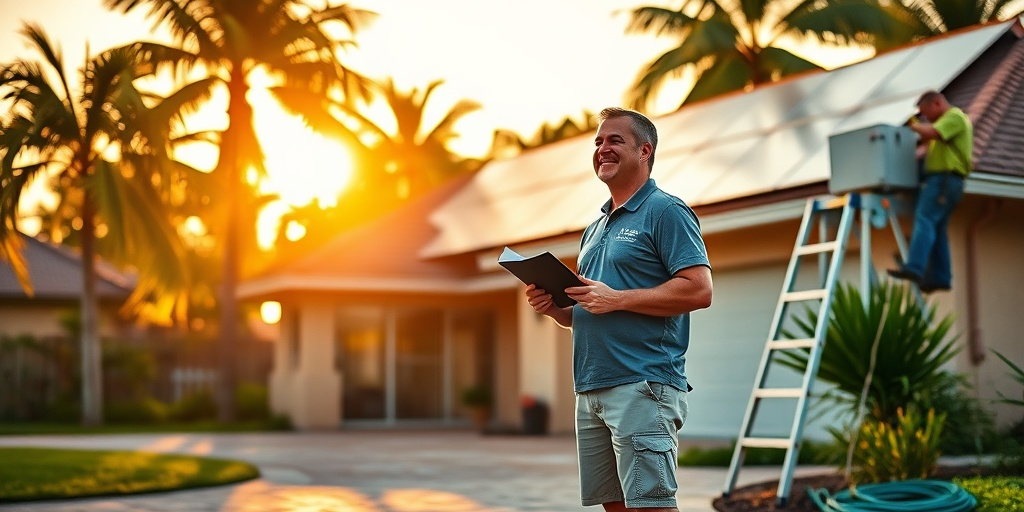
Imagine a world where the sun isn’t just a source of light but your personal power plant, one that saves you money and protects the planet. With the rise of solar energy, Florida homeowners have the opportunity to transform their energy consumption nature like never before. Yet, amidst the excitement of going solar, there lurks a vital truth that few consider: the lifespan of solar panels. Welcome to our discussion on “Don’t Make This Critical Mistake With Solar Panel Lifespan.” In the U.S., the average lifespan of solar panels is about 25 years; however, many homeowners are unaware of the factors that can significantly impact this timeline (SolarReviews.com). Additionally, nearly one in three consumers mistakenly believe that once they install solar panels, maintenance is a non-issue (SEIA.org). What’s even more pressing? As energy costs are projected to rise by 6% annually through 2025, understanding how to maximize your investment in solar technology has never been more critical (Energy.gov). In this article, we will navigate the pitfalls surrounding solar panel lifespan, revealing key insights that can protect your investments and extend the longevity of your solar system. We’ll explore five essential sections: an in-depth case study illustrating the common mistakes made, a practical checklist for maintaining solar panels, the truth behind common myths, focused insights on Florida’s solar landscape, and a technical deep dive into panel technology and performance. Keep reading to not only avoid costly errors but to maximize your solar investment!
Understanding Solar Panel Lifespan: A Deep Dive
Every Tom, Dick, and Harry believes that solar panels are a set-it-and-forget-it solution, but this couldn’t be further from the truth. Meet Sarah, a Florida homeowner who eagerly installed her solar system in 2020, lured by the promise of low electric bills and tax incentives. However, three short years later, her efficiency dropped dangerously low, leaving her scrambling to find a solution to maximize her investment. In Sarah’s case, several key factors deteriorated her solar panel lifespan which many homeowners overlook. Here’s a detailed breakdown:
- Improper Installation: The quality of installation plays an integral role in a system’s longevity. Hiring inexperienced installers can lead to incorrect panel placement, inefficient energy conversion, and increased wear and tear on system components.
- Lack of Maintenance: Many homeowners neglect ongoing maintenance, which is crucial for ensuring maximum efficiency. Issues like debris accumulation on panels or inverter failures can decrease operating efficiency.
- Environmental Factors: Factors such as extreme weather, humidity, and even the direction in which panels face can influence the lifespan of solar technology. Florida’s intense sun and tropical storms can both be allies and adversaries.
The following checklist can help you steer clear of these issues:
- Step 1: Choose a Reliable Installer – Ensure your installer is certified and has a solid reputation. Look for reviews and ask for references.
- Step 2: Schedule Regular Inspections – Regular check-ins can catch minor damages before they escalate into costly repairs.
- Step 3: Clean Your Panels – If you live in an area with high pollen or dust levels, make a point to clean your panels regularly to ensure their efficiency.
- Step 4: Review Performance – Regularly monitor your solar energy system’s production via apps or online platforms to identify anomalies.
- Step 5: Ensure Proper Bug Protection – Bugs and birds can cause damage. Use protective screens where necessary.
By understanding these components and acknowledging the common misconceptions about solar panel lifespans, homeowners can secure their investments more effectively. A study by the National Renewable Energy Laboratory projects that top-tier panels can operate efficiently for up to 30 years now, offering Florida homeowners a strong reason to assess their options carefully (NREL.gov).
Next, let’s bust some myths that might be leading you astray in your solar journey.
Myth vs. Reality: Debunking Solar Panel Misconceptions
One common mistake is believing solar panels don’t degrade over time. In fact, solar panels are not impervious to the elements and may lose efficiency as they age. Here are some essential myths that need to be dispelled:
- Myth #1: Solar Panels Don’t Need Any Maintenance
While it may seem like a set-it-and-forget-it approach, regular maintenance will help optimize efficiency and lifespan. Regular cleaning and inspection allow potential issues to be addressed before they escalate. - Myth #2: Panel Lifespans Are Fixed
While manufacturers claim a 25-year lifespan, the lifespan can vary based on installation quality, usage, and type of equipment. A proactive maintenance approach can extend beyond that period. - Myth #3: All Solar Panels are the Same
The technology used in construction and the efficiency of different solar panel models vary widely, which can impact longevity. Investing in higher-quality panels typically yields a stronger return on investment. - Myth #4: Panels are Unaffected by Weather
Florida’s weather plays a substantial role in the degradation of solar panels. From hurricanes to intense sun exposure, environmental factors need to be factored into long-term planning. - Myth #5: Once You Go Solar, You’re Set for Life
The truth is, while solar energy can significantly reduce your bills and carbon footprint, it requires continued vigilance and a commitment to maintenance for optimal performance.
These myths expose common misconceptions about solar panel lifespan, highlighting the importance of education and awareness. The solar panel industry is maturing rapidly, and only those homeowners who stay informed will thrive in this growing marketplace. Understanding these myths allows Florida homeowners to make more informed decisions as they pursue solar options.
Now, let’s switch gears to focus on local insights and how Florida’s policies impact your solar investment.
Florida’s Solar Landscape: Local Insights and Support
With an abundance of sunshine and legislative backing, Florida stands at the forefront of the solar revolution. However, it’s crucial to comprehend how climate differences impact solar performance. Let’s dive into five compelling factors:
- Incentives and Rebates: Various state and federal incentives can significantly lower installation costs. Florida homeowners can benefit from the federal Investment Tax Credit (ITC), which allows for a 26% deduction from federal taxes in 2025 (SEIA.org).
- Net Metering: Florida also has a robust net metering policy, which allows homeowners to credit excess energy generated back to the grid, ensuring you maximize your savings over time.
- High Electricity Costs: With energy costs projected to climb due to increasing demand and grid instability, incorporating solar is a timely strategy for budget-conscious homeowners.
- Extreme Weather Patterns: Florida’s weather can be unpredictable; therefore, understanding how solar panels resist storms is vital. Professional installations can safeguard against potential damage.
- Community Support and Resources: Organizations and community initiatives often provide assistance related to solar energy, enabling homeowners to stay informed about best practices and available resources.
By understanding the local solar ecosystem better, homeowners can tap into existing resources that will help fortify their solar investment. Whether it’s fiscal incentives or environmental factors, being aware allows you to create a holistic strategy for your solar journey. Next, we’ll explore the technical aspects that can enhance your experience with solar energy technology.
Technical Deep Dive: Maximizing Your Solar System
As Florida homeowners embark on their solar journey, understanding technology is crucial for success. Here’s a breakdown of significant components and what to consider:
- Solar Panels: Various panel types exist, including monocrystalline, polycrystalline, and thin film. Each has different lifespans, efficiencies, and costs. For long-term savings, monocrystalline is often recommended due to its efficiency and durability.
- Inverters: The inverter is sometimes considered the “brain” of a solar system. High-efficiency inverters enhance energy conversion but should be chosen carefully to ensure lifetime validity synchronized with panel warranties.
- Battery Storage: With advancements in battery technology, homeowners can now store excess energy for nighttime use or during outages. Understanding different battery types and their lifespans is essential for optimizing energy savings.
- Monitoring Systems: Integrated monitoring systems can provide valuable insights into energy production, helping to address any performance drops promptly. Many systems even offer alerts for maintenance needs.
By understanding these elements and how they interact, Florida homeowners can make informed decisions about their solar investments. The combination of educated planning and careful equipment selection maximizes performance outcomes and ensures that your system runs at peak efficiency. A study indicates that homes with solar batteries can save an average of $1,900 per year on energy expenses (Energy.gov). This data showcases the economic advantage of thoughtful solar decisions.
Next Steps for Florida Solar Buyers in 2025
As we navigate toward a solar-powered future in 2025, planning your solar journey is critical. Here’s a detailed action plan that will help you along the way:
- Step 1: Audit Your Electric Bill
Understand the components of your bill to evaluate how much energy you’re using and where savings can be made. This can guide the size of your necessary solar array. - Step 2: Research Incentives and Programs
Familiarize yourself with available federal and state incentives to maximize your financial savings on installations. - Step 3: Evaluate Your Roof’s Condition
It’s essential to assess if your roof is ready for solar panels. Consider repairs or replacement if necessary, as solar panels last many years. - Step 4: Choose a Reputable Installer
Research and vet multiple installers. Ask for quotes, reviews, and specific warranty information to understand the service you’ll receive. - Step 5: Plan for Maintenance
Establish a routine maintenance schedule. This could include cleaning panels, monitoring performance data, and scheduling regular assessments.
Executing these steps will not only reduce friction in the installation process but will also ensure that you are using every tool to maximize your investment in solar energy. Florida residents have an unparalleled opportunity to lead in solar energy—don’t miss out!
In conclusion, the journey toward solar energy isn’t merely about installation; it’s about understanding the complexities of solar panel lifespan and making informed decisions to protect your investment. With energy costs on the rise and incentives available for adopting solar, it’s crucial to be educated about factors affecting your system over the years. Remember Sarah? She learned the hard way; don’t follow in her footsteps. Instead, keep your panels well-maintained, educate yourself about Florida’s benefits, and stay informed on industry evolution. Get on the path toward cleaner energy and enhanced savings; act now as every day counts.
Ready to start your solar journey in 2025? Connect with a certified expert at floridaelectricandsolar.com today.
Related Articles
More insights about Solar Panel

Florida Homeowners: Why Solar Panel Maintenance Is Essential

7 Essential Steps for Solar Panel Installation Success

Expert Insights: Key Factors Influencing Solar Panel Lifespan
Ready to Go Solar?
Have questions about solar energy? Our experts are here to help you make the switch to clean, renewable energy.