
Expert Insight on Solar Panel Maintenance for Long-Lasting Systems
Share:
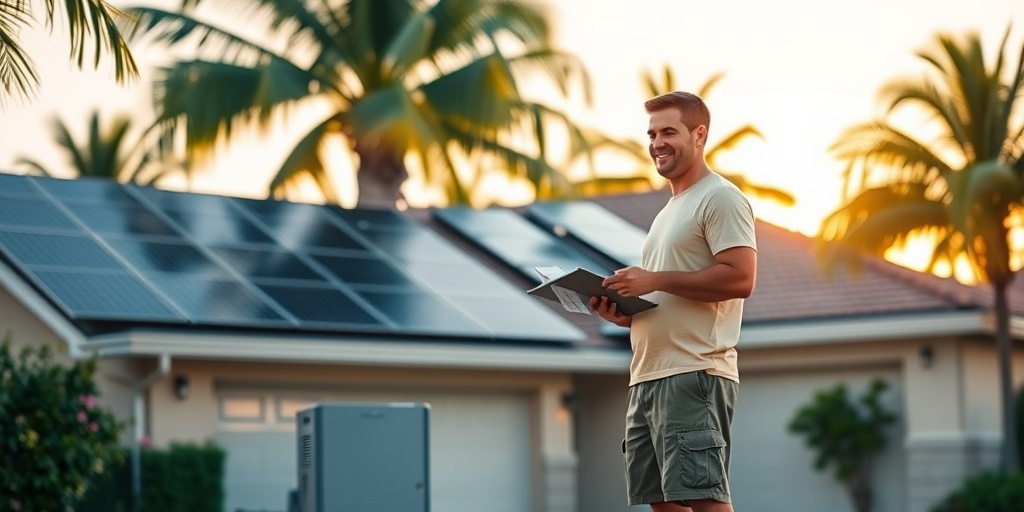
As of 2023, solar energy has become a crucial component of American homeowners’ strategies to combat rising energy costs. In fact, the U.S. solar market grew 25% in 2022 alone, underscoring the increasing demand for renewable energy solutions. By 2025, Florida homeowners are estimated to save an average of $20,000 over the lifetime of their solar panel systems (SEIA.org). If you’re a Florida homeowner contemplating solar energy, the question isn’t whether to adopt it but rather how to ensure your investment thrives over time. This brings us to the focus of our discussion: **Expert Insight on Solar Panel Maintenance for Long-Lasting Systems**.
Understanding how to maintain your solar panel system is essential not just for its performance but also for maximizing your utility bill savings. With new solar incentives rolling out and increasing concerns about grid instability, maintaining your system has never been more urgent. This article will walk you through five vital components of solar panel maintenance in 2025, setting you up for a sustainable energy future. You will discover essential tips, actionable steps, and insightful analysis designed to keep your solar investment secure and thriving.
In this comprehensive guide, we’ll cover:
- A deep dive into maintenance practices that ensure long-lasting solar systems.
- Essential checklists to keep your solar panels in top shape.
- Common myths about solar maintenance that could be costing you money.
- Specific strategies tailored to Florida homeowners regarding local weather and energy policies.
- A technical exploration of how solar systems work and what to focus on for optimal performance.
Maintenance Practices that Ensure Long-Lasting Solar Systems
To navigate the waters of solar panel maintenance effectively, let’s first take a look at a case study. Meet Sarah, a resident of Orlando, Florida, who installed solar panels in early 2023. After just one year, she noticed a marked reduction in her electricity bills—a drop of 45% compared to the previous year. This reduction allowed her to redirect those funds into her family budget, enabling her to take that long-awaited trip to the Keys.
But Sarah’s journey became rocky when she overlooked routine maintenance. A single fallen branch during one of Orlando’s frequent summer storms overshadowed part of her panel array. By failing to remove it promptly, her energy output diminished. Soon after, she was perplexed to see utility bills spike again. This situation illustrates a common issue among solar users: neglecting maintenance can hinder performance and impact savings.
- Understand Your System: Familiarize yourself with your solar panel system and identify key components, such as the inverter, panels, and wiring.
- Regular Inspection: Schedule semi-annual inspections with a certified technician to catch and address issues such as corrosion or loose connections before they escalate.
- Cleaning Your Panels: In Florida, rainfall doesn’t always do the job. Consider investing in proper cleaning equipment or hiring professionals to ensure your panels are spotless, optimizing their energy capture.
- Monitor Your Energy Production: Use monitoring tools to track energy production. Any significant dip in output can indicate an issue that needs attention.
- Stay Changed with Regulations: Florida’s energy regulations are ever-evolving. Stay updated to ensure your system remains compliant and optimized for incentives (SolarReviews.com).
Now that we’ve explored some foundational practices let’s debunk a few common misconceptions about solar maintenance that might hinder your decision-making.
Myth-Busters: Common Misconceptions About Solar Maintenance
With solar energy gaining popularity, several myths have arisen, which can mislead Florida homeowners. Here are some critical misconceptions:
- Myth #1: Solar Panels Don’t Need Maintenance: Contrary to this belief, regular maintenance is vital for ensuring your system performs at its best. As noted earlier, neglect can diminish efficiency and increase utility costs.
- Myth #2: Rains Will Keep My Panels Clean: While rain does assist in cleaning solar panels, Florida’s humidity and pollen can leave residues that hinder performance over time, necessitating manual cleaning.
- Myth #3: Maintenance Is Costly: In reality, the cost of regular maintenance is a small fraction of potential energy savings and may even prolong the life of your investment.
- Myth #4: If My Panels Are Working, They’re Fine: This assumption can be dangerous. Just because your panels are generating energy doesn’t mean they’re performing optimally. Regular inspections are crucial.
- Myth #5: Installation Is All That Matters: Equally important as installation is ongoing care. Proper maintenance can mean the difference between a functioning system and one that fails before its expected life span.
With these misconceptions dispelled, let’s turn our focus to the unique challenges and attributes of Florida’s solar landscape.
Florida-Specific Maintenance Considerations
Keeping your solar panels in excellent working condition in Florida requires an understanding of the local climate and regulations. Florida is blessed with abundant sunshine but also challenged by extreme weather conditions like hurricanes and heavy storms.
- Weathering the Storms: After a storm, promptly survey your solar panels for debris or damage. It’s crucial during hurricane season, as winds and rain can knock loose branches onto your solar system.
- Hurricane Compliance: Familiarize yourself with local regulations that govern solar installations, ensuring your equipment can withstand potential storms (NREL.gov).
- Sunscreen for Solar Panels: Florida’s sun is intense. Ensure your panels have adequate UV coatings for longevity against sun damage.
- Choose the Right Location: Position your panels in a way that minimizes shading from trees or buildings, essential for performance in sunny conditions.
- Consult Local Experts: Always seek advice from professionals who appreciate Florida’s unique climate; their insights can significantly influence the longevity of your system.
Now, let’s delve deeper into the technical aspects of how solar systems function and what preventive measures can protect your investment.
Technical Deep-Dive: Understanding Solar Panel Systems
At the heart of your solar investment lies a complex interplay of components, all designed to convert sunlight into energy efficiently. Here’s how you can safeguard each part:
- Solar Panels: The primary players in energy capture. Regularly inspect the panels for cracks and cleanliness for optimum efficiency.
- Inverters: These convert the DC electricity generated by your panels into AC electricity for home use. If your inverter shows a fault indicator, it requires immediate attention.
- Batteries: If you have a battery storage system, ensure it is maintained according to manufacturer recommendations to maximize performance.
- Wiring and Connections: Corroded wiring can lead to fires or diminished outputs. Regular checks will help catch these issues early.
- Connections to the Grid: Understanding how your system interfaces with the grid can help in troubleshooting and ensuring compliance with regulations.
Your solar array is an investment that requires attention and care. Missing out on maintenance can cost you in the long run. Next, let’s outline an actionable plan to get your maintenance routine underway.
Next Steps for Florida Solar Buyers in 2025
Embarking on a solar journey is exciting, but for Florida homeowners in 2025, having a clear roadmap will make it even easier. Let’s break this down into straightforward, actionable steps:
- Step 1: Audit Your Electric Bill: Review your utility bills for the past year to identify usage patterns and establish a savings benchmark.
- Step 2: Schedule a Professional Inspection: Don’t wait too long. Schedule that semi-annual inspection with a certified technician to nip issues in the bud.
- Step 3: Create a Maintenance Calendar: Develop a schedule for cleaning and inspections to keep track of your tasks.
- Step 4: Document Everything: Maintain records of inspections, repairs, and maintenance work you’ve done. This documentation is invaluable for warranties and possible future sales.
- Step 5: Stay Informed: Keep up-to-date on new incentives, technology changes, and potential regulations from the Florida Energy Commission (SolarReviews.com).
Taking these steps will help ensure your solar panel system remains efficient and contributes to long-term savings.
Conclusion
Your journey towards harnessing solar power in Florida can be one of immense satisfaction and financial return. As discussed in this article, routine solar panel maintenance not only prolongs the life of your system but also maximizes your utility bill savings. With increasing energy costs and enticing state incentives in 2025, now is the perfect time to take action.
Whether it’s debunking myths, understanding local requirements, or taking technical measures to secure your investment, being proactive pays off. Ultimately, constant vigilance and a well-structured maintenance plan can lead to efficient performance and peace of mind.
Ready to start your solar journey in 2025? Connect with a certified expert at floridaelectricandsolar.com today.
Related Articles
More insights about Solar Panel

Florida Homeowners: Why Solar Panel Maintenance Is Essential

7 Essential Steps for Solar Panel Installation Success

Expert Insights: Key Factors Influencing Solar Panel Lifespan
Ready to Go Solar?
Have questions about solar energy? Our experts are here to help you make the switch to clean, renewable energy.