
Insider Tips for Maximizing Solar ROI Breakdown in Florida
Share:
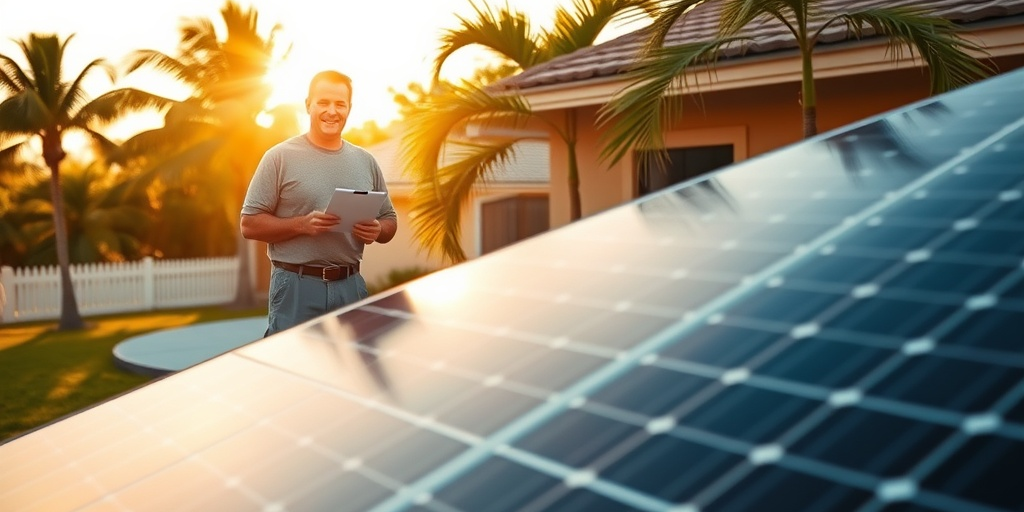
Have you ever wondered how to turn sunlight into significant savings on your electric bill? As Florida homeowners, it’s time to discover the wealth of opportunity that lies in solar energy. In fact, a report from the Solar Energy Industries Association reveals that Florida ranks third in the nation for solar capacity, with over 1.5 million homes now boasting solar panels. Moreover, a recent study indicates that homeowners can save up to $20,000 over the lifespan of their solar system, depending on utility rates. These facts underscore a financial transformation that many Floridians cannot afford to miss in 2025.
In this in-depth guide titled “Insider Tips for Maximizing Solar ROI Breakdown in Florida,” we will equip you with expert insights that can drastically improve your return on investment when installing solar energy systems. The rising costs of electricity are set to rise further in 2025, making it imperative for property owners to seek sustainable alternatives. Additionally, recent incentives introduced by the federal government can make 2025 the perfect year to go solar. With fluctuating energy prices and potential grid instabilities, the time to act is now. Here’s what you can expect in the sections below:
- Section 1: An angled deep dive into a Florida homeowner’s solar journey
- Section 2: A comprehensive checklist for maximizing your solar investment
- Section 3: Common myths about solar energy debunked
- Section 4: A technical exploration of Florida-specific policies and solar technology
- Section 5: A straightforward action plan for Florida solar buyers in 2025
With this roadmap in hand, let’s embark on the journey to understanding how to maximize your solar return on investment and ultimately, your financial future.
Section 1: An Up-Close Experience with Solar in Florida
Meet the Johnsons from Sarasota, a family that embraced solar energy two years ago, unaware of the financial blessings and environmental benefits that awaited them. Initially skeptical, the cost seemed daunting—over $25,000 for a full solar setup with panels and batteries. However, armed with data, they discovered that they could qualify for a 26% federal tax credit, reducing their initial outlay to approximately $18,500. This was more than just an expenditure; it became a smart investment.
The Johnsons quickly carried out a step-by-step assessment:
- Evaluate Energy Consumption: They examined their monthly electricity bills and usage patterns, which showed they were consuming around 1,200 kWh per month.
- Research Incentives: The future available incentives in 2025 made them realize they could recoup their investment faster than expected.
- Select Quality Equipment: After extensive research, they chose high-efficiency PV panels with a reputable warranty, ensuring durability and performance.
This pragmatic approach allowed them to optimize their system further when it was finally installed. They opted for energy-efficient appliances and a smart thermostat to maximize energy savings. Thus, despite their initial investment, the solar system started cutting their energy bill significantly—bringing it down to just $50 a month.
What’s the takeaway from the Johnsons’ experience? The identification of potential savings should always guide your financial decisions regarding solar investments. According to (SEIA.org), diligent analysis can yield a return on investment (ROI) of between 10% and 30%, depending on your location, sunlight exposure, and electricity rates.
Moreover, to mimic the Johnsons’ energy-saving potential, consider these powerful tips:
- Invest in high-quality equipment—especially panels that come with strong product warranties.
- Plan for future electric demands by anticipating changes like electric vehicle charging.
- Stay updated with Florida’s policy changes that may affect your tax credits and incentives.
While the Johnsons had concerns initially, knowing the facts and navigating the local landscape led them to become vocal advocates for solar energy. Are you ready to follow in their footsteps?
Section 2: Your Solar Investment Checklist
Maximizing your solar ROI isn’t just about installation; it requires a comprehensive strategy. Here’s a precise checklist to ensure you’re making the most out of your investment:
- Step 1: Audit Your Electric Bill – Understand your energy consumption and monthly costs. Look back at the previous 12 months to anticipate trends.
- Step 2: Research Incentives and Rebates – Each year brings new solar financing options, tax credits, and rebates. In 2025, federal incentives could reclaim 26% of installation costs, so ensure you’re taking full advantage.
- Step 3: Choose the Right Installer – Research technicians with solid warranties and thorough installation processes. Reviews from previous customers can guide you toward a reputable dealer. It’s crucial, as poor installation can reduce system performance (SolarReviews.com).
- Step 4: Optimize Placement and Design – Work with your installer to ensure panels are placed in areas receiving maximum sunlight. This can greatly enhance performance and efficiency.
- Step 5: Monitor and Maintain – After installation, keep an eye on your solar output and ensure regular maintenance checks. Monitoring systems can provide insightful data to adjust your energy usage accordingly.
By following these strategic steps, you can ensure that your Florida home is ready to reap the benefits of its solar investment fully. Federal incentives aside, the state of Florida has historically had favorable regulations concerning renewable energy, meaning investments today could yield even further long-term savings thanks to increasing utility rates and potential statewide shifts towards green energy (NREL.gov).
To learn about specific financial incentives for 2025, visit floridaelectricandsolar.com for tailored information.
Section 3: Debunking Solar Myths
Despite the wealth of knowledge available, myths surrounding solar energy persist, leading to hesitance among potential adopters. Let’s break some common misconceptions:
Myth #1: Solar Panels Are Too Expensive.
While the upfront costs can seem high, the reality is that with federal credits and local financing options, many loans and payment plans exist that can mitigate this initial burden, making solar accessible to more Florida homeowners.
Myth #2: Solar Panels Won’t Work During Rainy Seasons.
Contrary to popular belief, solar panels can generate energy even during cloudy conditions. Efficiency may dip slightly, but they are still functional during the rain, ensuring continuous energy generation year-round.
Myth #3: You Can’t Sell Your House with Solar Panels.
Having solar panels installed can actually boost your property value. A study by the National Renewable Energy Laboratory found homes with solar systems sell for more significantly than those without.
Myth #4: Solar Is Only for Environmentally Conscious People.
While many choose solar for environmental reasons, the most compelling reason is financial. With electricity costs rising sharply, solar energy represents a bold, independent financial strategy.
Myth #5: Battery Storage Is Not Worth the Cost.
This is a misconception, as battery systems can allow you to store energy for nighttime use, increasing your autonomy and saving you even more on your energy bills (SEIA.org).
Debunking these myths can be pivotal for homeowners still on the fence about making the transition to renewable energy. Florida has numerous resources and incentives available for those looking to invest, making it an ideal location for solar energy adoption.
Section 4: Empowering Florida through Technical Deep-Dive
The solar sector in Florida is undergoing a significant transformation, influenced by policy changes, technological advancements, and state-specific know-how. For instance, Florida’s net metering policy allows homeowners to receive credit for the surplus energy they produce, facilitating a more compelling investment case.
Additionally, in 2025, the state plans to implement several new policies to encourage renewable energy use, including financing that makes homes equipped with solar systems more affordable than ever. An important area of focus will be energy-efficient technologies such as inverters and battery storage systems, both crucial for homeowners looking to enhance their energy independence.
- Inverters: The brain of the solar panel system, they convert sunlight into usable energy while optimizing efficiency.
- Battery Storage: With battery options, you can store energy for use after the sun sets, making nighttime energy consumption more cost-effective.
- Smart Meters: Ensures accurate billing by monitoring precise energy usage while enabling homeowners to track patterns.
According to (Energy.gov), residential solar systems could reduce greenhouse gas emissions by 1,000 pounds annually, emphasizing their critical role in both economic savings and environmental sustainability.
Furthermore, homeowners should keep an eye on the development of community solar programs. These programs allow neighbors to share resources, decreasing the cost of going solar while maximizing collective benefits. Thus far, Florida has seen significant movement towards forming such collaborations, making it an exciting time for potential adopters.
To understand more about the evolving landscape and new technologies available, visit floridaelectricandsolar.com for expert advice and resources.
Section 5: Next Steps for Florida Solar Buyers in 2025
Planning for solar energy adoption can feel overwhelming, but by following this clear action plan, the path ahead can seem much less daunting.
- Step 1: Assess Your Current Energy Needs – Review your electric bill for a full year’s context and evaluate future expected consumption.
- Step 2: Research Solar Options – Look into financing options, panels, and installation choices that best suit your household’s needs.
- Step 3: Contact Local Installers – Schedule consultations with multiple solar companies. A minimum of three estimates is recommended.
- Step 4: Make Informed Choices – Weigh all factors from ROI, initial costs, long-term savings, and available incentives.
- Step 5: Schedule Installation – Once you’ve selected your solar installer, set up your installation for maximum efficiency.
This concrete framework will help streamline the installation process, allowing you to approach the transition with confidence and clarity. Remember, the average payback period for residential solar energy systems is about 6 to 8 years and varies by region (DSIREUSA.org).
In conclusion, Florida homeowners are on the cusp of a solar energy revolution, thanks to enhanced incentives and growing awareness of the financial benefits. Solar power isn’t just a trend—it’s a long-term investment into your future.
Ready to start your solar journey in 2025? Connect with a certified expert at floridaelectricandsolar.com today.
Related Articles
More insights about Solar ROI

Expert Insight: Understanding Solar ROI Breakdown for Florida Homeowners

Beginner’s Guide to Solar ROI Breakdown for Your Home

Expert Insight on Solar ROI Breakdown for Florida Homeowners
Ready to Go Solar?
Have questions about solar energy? Our experts are here to help you make the switch to clean, renewable energy.