
What You Need to Know About Solar Panel Lifespan
Share:
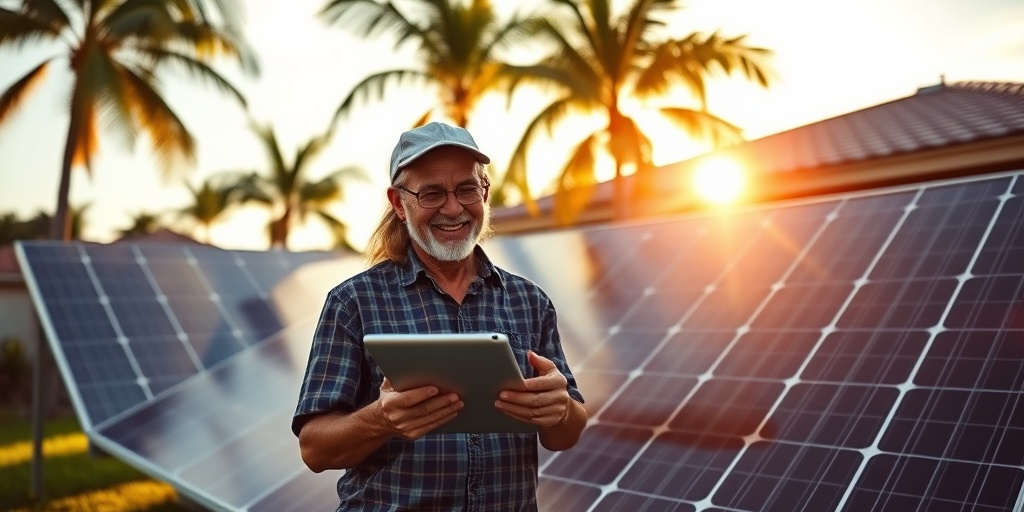
As the sun rises over Florida, illuminating the vibrant coasts and sprawling landscapes, a silent revolution is underway—one that may very well redefine how we power our homes and businesses. Did you know that solar energy usage in Florida has surged over the last decade, with residential solar capacity doubling since 2016? With the increasing urgency surrounding energy costs and climate change, more homeowners are considering solar energy as a viable solution. This discussion leads us to an essential topic: What You Need to Know About Solar Panel Lifespan. A significant concern for potential solar adopters is the longevity of their investment. After all, how long will those solar panels truly last, and what does it mean for your bank account? With energy prices forecasted to rise by 20% in the next five years (Energy.gov), understanding solar panel lifespan has never been more crucial. Additionally, with various new solar incentives following the Inflation Reduction Act of 2022, there’s no better time to explore solar technology in 2025.
In this comprehensive guide, we’ll explore the following five pivotal sections:
- What You Need to Know About Solar Panel Life Expectancy
- Key Factors Affecting Your Solar System’s Lifespan
- Debunking Common Myths about Solar Panel Longevity
- Practical Steps to Extend Your Solar Investment
- What Florida Homeowners Need to Consider When Going Solar in 2025
Let’s embark on this enlightening journey to ensure your path to renewable energy is as bright as the Florida sun itself.
What You Need to Know About Solar Panel Life Expectancy
When you think of solar energy, what comes to mind? Happy homeowners proudly showcasing their solar installations and basking in the glow of renewable energy? While the benefits of solar power are immense, it’s equally vital to grasp the concept of solar panel lifespan comprehensively.
For our first insight, let’s meet Maria, a Florida homeowner who, like many, was initially apprehensive about investing in solar panels. With rising energy costs weighing heavily on her monthly bills, Maria took a leap of faith and installed a solar energy system in 2023. She was informed that her panels had a warranty of up to 25 years, yet she questioned, “Will they actually last that long?” Maria’s concerns are not unique; let’s delve deeper into the lifespan of solar panels.
On average, solar panels can last between 25 to 30 years. However, experts indicate that many panels continue to produce electricity for even longer, but at a reduced efficiency rate. According to data from the National Renewable Energy Laboratory (NREL), panels tend to lose around 0.5% to 1% of their efficiency each year. This degradation means that after 25 years, your solar panels might still function at around 75-90% of their original capacity, depending on their type and the specific conditions they encounter.
To maximize investment, here’s a straightforward checklist of factors you should consider to better understand how to ensure your solar panels are functioning reliably:
- Quality of the Panels: Higher quality solar panels not only have longer lifespans but also come with better warranties.
- Regular Maintenance: Performing regular maintenance ensures your panels remain in good working condition, extending their operational life.
- Environment: The surrounding environment plays a significant role; areas with harsher weather tend to impact solar panel longevity more than milder climates.
Cooking in the Sunshine State involves various culinary delights, but baking your panels in the relentless Florida sun continuously can accelerate the degradation of their materials. Thus, investing in panels rated for high-temperature performance can make all the difference in your long-term energy solution.
However, one significant aspect to consider is the battery storage systems often paired with solar panels for folks wanting to truly harness the sun’s power. The lifespan of these batteries ranges significantly, with many lasting anywhere from 5 to 15 years. High-quality lithium-ion battery systems may offer the longest lifespans, reflecting their durability and efficiency.
Looking beyond materials, let’s talk about the inverters. These crucial components convert the energy produced by your solar panels into usable electricity; they typically last around 5 to 15 years before they need to be replaced. What you may consider when evaluating your solar system lifespan is how these components function collectively to ensure a seamless experience.
As we pivot towards the next section, you may be asking, What steps can I take to ensure my solar panels last longer? Let’s deconstruct common practices and reliable methods for maintaining peak efficiency and prolonging the lifespan of your solar energy system.
Key Factors Affecting Your Solar System’s Lifespan
The longevity of your solar panel installation is contingent on numerous factors. Understanding these variables can significantly influence the overall performance of your system.
First, let’s discuss quality. Many homeowners may be tempted to go for the most affordable panels, but this can lead to increased degradation over time. High-quality panels not only have enhanced warranties (often up to 25 years) but are engineered using better materials to withstand weather conditions. Brands like SunPower and LG have established themselves as leaders in solar technology due to their commitment to durability. Opting for these trusted brands can yield long-term benefits, particularly under Florida’s unique climate constraints.
Secondly, the installation process itself matters considerably. Poor installation can lead to water damage, inefficiency, and deterioration. It’s imperative to engage a certified professional solar installer to ensure a proper setup. Florida Electric & Solar specializes in flawless installations that maximize the lifespan and efficiency of their systems. A properly installed unit can last years longer than an installation completed by an amateur.
Next up is maintenance. Regular maintenance can extend lifespan remarkably. Dust, debris, and tree branches can obstruct sunlight, decreasing efficiency. Setting up a cleaning schedule may seem tedious, but regular checks, especially following storms, ensure that your panels are operating optimally. Although panels require minimal upkeep, keeping them clean can preserve their efficiency. Moreover, it’s wise to conduct yearly inspections to check for any damages and address them promptly.
Another crucial factor is location. The degradation caused by environmental factors like humidity, salt spray in coastal areas, and intense storms can affect how your panels perform over the years. Florida’s climate can exert additional stress due to high humidity levels led by summer rains. According to research, solar installations on the Florida coasts often require more frequent maintenance checks than those inland. Particularly in coastal areas, consider installing panels with anti-corrosion properties to enhance their longevity.
Furthermore, technology advancements are continually transforming the solar landscape. Integration of newer technologies, like smart inverters and state-of-the-art monitoring systems, provide insights into panel performance, ensuring you’re aware of drops in efficiency or potential issues before they lead to larger failures.
Through understanding these essential elements affecting your solar system’s lifespan, you not only safeguard your financial investment but also embrace a genuine reliance on the sun’s power. But what about the misconceptions surrounding the lifespan of solar panels? Let’s illuminate this section and clarify the prevalent myths.
Debunking Common Myths about Solar Panel Longevity
When it comes to solar energy, myths can cloud the minds of even the most informed homeowners. Let’s cut through the confusion and set the record straight regarding solar panel lifespans in Florida.
Myth #1: Solar panels are guaranteed to last 25 years and will stop producing electricity then. This common belief overlooks the fact that most panels continue to produce energy well beyond their warranty period. While it’s true that efficiency degrades over time, most panels can still generate enough power to be worthwhile even after 25 years. (NREL.gov).
Myth #2: All solar panels age similarly. Not all panels are created equal. The quality of solar technology varies; high-efficiency models may degrade less over time, while lower-end options can deteriorate rapidly. Choosing the right panels means understanding the technology behind them.
Myth #3: Maintenance isn’t necessary for solar panels. As discussed, while solar panels need minimal maintenance, neglecting them can lead to noticeable efficiency drops. Regular cleaning can make a substantial difference in energy production.
Myth #4: Solar panel degradation is the same everywhere. Location plays a vital role. Coastal regions may expose panels to corrosive saltwater mist, while mountainous areas deal with snow heavy loads. Factor in your unique environment for a more accurate lifespan assessment.
Myth #5: Once installed, solar energy systems are hassle-free and maintenance-free. Although solar technology may be low-maintenance, homeowners should monitor their systems regularly. This includes observing any changes in performance or efficiency that might require professional intervention.
By dispelling these myths, homeowners can feel empowered and informed, taking confident steps toward integrating renewable energy solutions into their lives. Now that we understand how to extend the lifespan and combat misconceptions, let’s dive into practical steps for prolonging your panels’ productivity.
Practical Steps to Extend Your Solar Investment
Investing in solar power can be transformative, yet understanding how to maintain and extend the life of your system is crucial for maximizing your long-term savings. Here’s a practical checklist to guide you through securing the longevity of your solar panels:
- Step 1: Conduct Regular Inspections. Schedule at least one professional inspection per year to assess your system’s condition. Monitor for any damages or issues that require repairs and ensure all components are working cohesively.
- Step 2: Keep Panels Clean. Whether you hire a professional or do it yourself, maintaining clean solar panels is vital to preserving their efficiency. Invest in regular cleaning, especially during the pollen-heavy Spring season.
- Step 3: Use Smart Technological Integrations. Consider implementing monitoring systems to track your solar panels’ energy production. Smart inverters can provide critical insights into performance, alerting you to inefficiencies.
- Step 4: Choose Quality Over Cost. Go for reputable panels, unsure instead about the warranty length. Opting for higher quality may seem pricier but tends to pay off over the long run.
- Step 5: Invest in Protective Infrastructure. If you live in a storm-prone area of Florida, consider weather-proofing your panels. From better mounting systems to hurricane straps, safeguard your investment.
By following these actionable steps, you not only optimize your solar panels’ efficiency, but you also safeguard your investment against the surprising unpredictability of weather and general wear and tear. Now, let’s shift focus to a unique aspect purely tied to Florida homeowners—what specific considerations should they have in mind when contemplating solar energy in 2025?
What Florida Homeowners Need to Consider When Going Solar in 2025
The Sunshine State is ideally poised for solar energy advancements, but as you contemplate your options, consider the following critical insights tailored for Florida homeowners:
- Home Solar Policies and Incentives. With the recent policy shifts and incentives, now is an exhilarating time to consider solar installations in Florida. The federal tax credit, which provides a 30% tax credit through 2032, represents significant savings for new solar customers.
- Cost of Energy. In Florida, the average electricity cost has risen by approximately 20% in recent years. By adopting solar now, you can take control of your energy expenses and insulate yourself from future price surges.
- Insurance Considerations. Engaging your insurance provider beforehand is crucial as many insurers offer discounts for solar installations. It’s vital to document your installation while understanding any changes to your coverage.
- Ever-Changing Technologies. The solar technology landscape is ever-evolving. Stay updated on emerging technologies and improvements that may enhance efficiency and longevity, ensuring you’re equipped with the best possible system.
Ultimately, stepping into the future with solar energy in Florida isn’t just a personal decision; it’s a progressive movement towards sustainable living that both protects the environment and saves money on energy bills. Our journey through understanding the solar panel lifespan is crucial for making smart, informed choices that benefit you and future generations.
In closing, as we reflect on the insights explored in this guide, it’s clear that understanding solar panel lifespan is essential for maximizing your investment and enjoying long-term savings. Remember that every step you take towards solar energy is a step towards owning your energy future while contributing to a more sustainable world.
Ready to start your solar journey in 2025? Connect with a certified expert at floridaelectricandsolar.com today.
Related Articles
More insights about Solar Panel

Florida Homeowners: Why Solar Panel Maintenance Is Essential

7 Essential Steps for Solar Panel Installation Success

Expert Insights: Key Factors Influencing Solar Panel Lifespan
Ready to Go Solar?
Have questions about solar energy? Our experts are here to help you make the switch to clean, renewable energy.