
Expert Insight on Solar Panel Lifespan and Efficiency
Share:
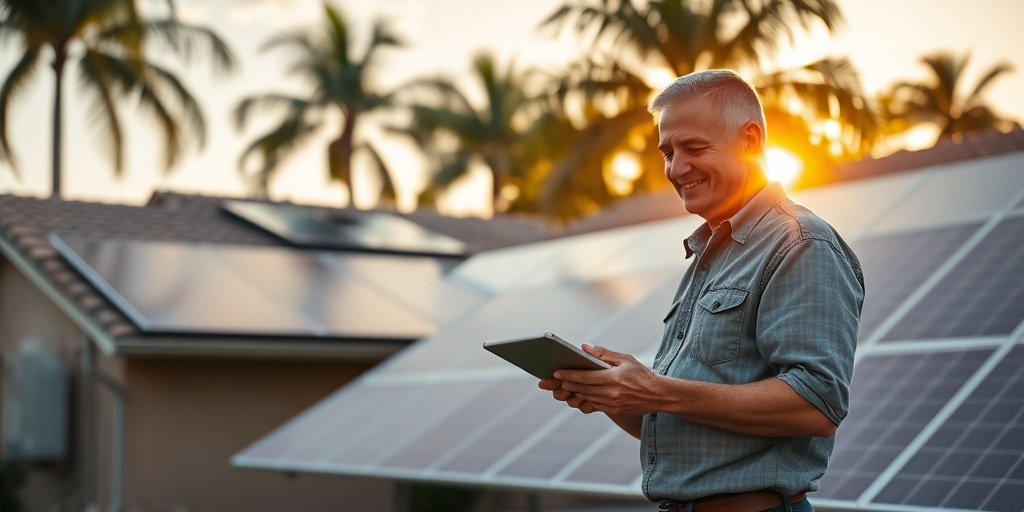
Imagine this: a sunny afternoon in Florida, when the thermostat is working overtime and the power bill arrives, sending homeowners into a tailspin. Research reveals that over 60% of Florida homeowners experience these “bill shock” moments annually as costs surge by about 5% each year (SEIA.org). In this landscape, solar energy emerges not as a luxury but a necessity. Welcome to our blog, Expert Insight on Solar Panel Lifespan and Efficiency, where we’ll dive deep into the crucial aspects of solar panels, from their longevity to their energy efficiency.
Florida is at a turning point in 2025, propelled by a combination of rising energy costs and new solar incentives. Homeowners and commercial property owners alike are eager for answers: How long do solar panels really last? What affects their efficiency? As consumers grapple with these urgent questions, understanding key factors that influence solar panel lifespan and efficiency has never been more critical. In this comprehensive guide, we’ll shine a light on five key sections:
- A detailed exploration into solar panel lifespan and efficiency
- A pertinent checklist for evaluating your solar options
- Common myths surrounding solar energy busted
- Why solar energy is essential in Florida specifically
- A thorough technical analysis of solar technology and policies
Join us as we unravel the complex yet fascinating world of solar energy, helping you make informed decisions that can revolutionize your home or business.
Understanding Solar Panel Lifespan and Efficiency
When Laura and Tom Knight, a couple from Orlando, decided to invest in solar panels in 2020, they hoped to reduce their energy bills and do their part for the environment. Like many Florida homeowners, they were intimidated by the overwhelming options. However, through research and expert consultation, they found a reliable provider and successfully installed their system. Fast forward to 2025, Laura joyfully reports a significant drop in energy bills—down by almost 75%—and peace of mind knowing their investment will last for years. This journey illustrates not only the environmental benefits of solar but also why longevity and efficiency are vital to a solar investment.
So, how exactly do these critical factors unfold? According to data from the National Renewable Energy Laboratory, the lifespan of solar panels can exceed 25 years if maintained correctly (NREL.gov). This resilience could lead to substantial savings for homeowners over the years, especially as electric rates rise. But what factors directly impact both lifespan and efficiency? Let’s break it down.
Key Factors Affecting Solar Panel Lifespan and Efficiency
Step 1: Quality of Materials – The quality of solar panels greatly influences their durability and efficiency. Top-tier panels often use more robust materials that can withstand Florida’s intense heat and storms. Research shows that premium brands can yield about 20% higher efficiency compared to standard options (SolarReviews.com). Always ask about product warranties and certifications.
Step 2: Installation Quality – Professional installation ensures that solar panels are securely attached and angled correctly for maximum sun exposure. Poor installation can lead to overheating, dirt accumulation, and drastic efficiency drops. Engaging a qualified installer with local knowledge can be beneficial.
Step 3: Weather and Environment – In Florida, where hurricanes and torrential rains occur, choosing panels that can withstand severe weather is crucial. Research indicates that solar panels designed with weather resilience can last longer and provide more reliable performance. Additionally, regularly cleaning your panels and keeping them free from debris can boost efficiency by up to 20% (Energy.gov).
Step 4: Technological Advances – The field of solar technology is rapidly evolving. New innovations in panel efficiency and materials emerge routinely, leading to better performance and longer lifespans. For instance, bifacial solar panels can capture sunlight from both sides, increasing overall generation (SEIA.org). Understanding these technologies and how they can apply to your setup is vital.
Step 5: Maintenance and Monitoring – Regular maintenance and system monitoring can significantly influence how long your solar setup lasts and how well it performs. Homeowners who proactively check their systems, perform basic cleaning, and engage with services for detailed inspections stand a much better chance of optimizing their investment.
The Knight family’s story exemplifies how these factors interplay to produce a solar array that not only lasts but also performs at optimal efficiency. By investing in quality materials, professional installation, and incorporating advanced technologies, Florida homeowners can enjoy benefits like Laura and Tom’s.
Common Solar Myths Busted
In the bustling solar market, misinformation often clouds the truth. Let’s debunk some of these common myths to clarify what solar energy can truly offer.
- Myth #1: Solar Panels Don’t Work on Cloudy Days – Contrary to popular belief, solar panels can still generate energy, even when the sun isn’t at its brightest. In fact, studies show that solar panels can produce up to 25% of their rated capacity under cloudy conditions (Energy.gov).
- Myth #2: Solar Panels Are Too Expensive – The initial investment can be daunting, but substantial federal and state tax credits can bring costs down significantly. In Florida, the average savings can reach tens of thousands of dollars over the lifespan of a solar system (SEIA.org).
- Myth #3: Solar Panels Require Too Much Maintenance – While they do require some upkeep, solar panels are generally low-maintenance. A simple cleaning a few times a year and checking the system’s performance are frequently all that’s needed.
- Myth #4: Solar Energy Is Not Reliable – Solar energy systems include battery storage technology that allows for continued power access regardless of sunlight availability.
- Myth #5: The Technology Is Too New and Unproven – Solar technology has been tested worldwide for decades. Recent advancements continue to improve the efficiency and affordability of solar systems (SolarReviews.com).
By dismantling these myths, potential solar adopters can embrace the reality of sustainable energy solutions. At floridaelectricandsolar.com, we’re committed to providing clarity and guidance for all homeowners considering this transformative investment.
5 Expert Solar Installation Tips for 2025
Embarking on a solar journey can be overwhelming, but expert guidance can simplify the process. Here are five crucial tips to ensure a successful installation:
- Don’t Skimp on Panel Placement: Proper installation means positioning your panels for maximum sun exposure. Consult professionals who understand Florida’s unique weather patterns and landscapes.
- Choose the Right Inverter: The inverter converts solar energy into usable electricity. While cheaper options may be tempting, investing in a high-quality inverter can significantly enhance your system’s efficiency.
- Consider Energy Storage: To maximize your energy independence, investing in battery storage can ensure you have power even during outages or cloudy days.
- Understand Financing Options: Explore various financing solutions—solar loans, leases, and power purchase agreements. Each has its pros and cons, so choose based on your unique situation.
- Stay Informed About Incentives: Florida residents have access to various government incentives that can significantly lower the cost of installation. Keep abreast of these options for maximum financial benefit.
Engaging with professionals through every step guarantees that you optimize your solar setup to meet your energy needs efficiently. Be it reducing electric bills or increasing the value of your property, following these tips will set you up for success.
A Homeowner’s Solar Journey: The Smith Family
Let’s take a closer look at a fictional but realistic scenario of the Smith family, who reside in Sarasota. After years of rising electric bills, the Smiths decided to explore solar energy in 2025. Their journey exemplifies the profound impacts of switching to solar.
Initially, they faced challenges in understanding the technological aspects of solar systems. After some research, they connected with a local solar provider who conducted a thorough analysis of their energy consumption and needs. Here’s what they discovered:
- The Smiths’ average energy consumption was 1,200 kWh per month, leading to a hefty electric bill that left them anxious.
- They learned that based on their roof size and sun exposure, a 9 kW solar system would meet their energy needs perfectly.
- Their solar provider highlighted state incentives that could finance up to 30% of their installation costs.
- With careful planning, they chose panels that had a lifespan exceeding 25 years and efficiency ratings of over 21%—far exceeding most standard panels.
Months after installation, the Smiths saw immediate benefits. Their energy bills dropped by 70%, and they reported a drastic reduction in their carbon footprint. Furthermore, they took pride in producing their own power, finding comfort in the reliability of a renewable energy source.
Looking at the numbers shows more than just a drop in bills—it reflects a growing trend in Florida’s energy landscape. According to research, more families are seeing the long-term financial and environmental benefits of transitioning to solar (NREL.gov). Like the Smiths, many Floridians are reaping rewards.
Next Steps for Florida Solar Buyers in 2025
If you’re ready to embrace the benefits of solar energy, here’s a straightforward action plan to guide your journey:
- Step 1: Audit Your Electric Bill – Start by understanding your current energy use. Check your bills for patterns, peak usage times, and average monthly expenses.
- Step 2: Research Solar Options – Investigate different solar systems and providers in your area. Compare warranties, panels, and other technologies.
- Step 3: Schedule Consultations – Meet with at least three solar providers for quotes and insights. Such consultations will provide clarity on pricing, products, and installation timelines.
- Step 4: Explore Financing Opportunities – Review various financing options, ensuring you understand interest rates, terms, and potential savings. Many financing solutions are specific to Florida homeowners.
- Step 5: Take the Plunge – Make your decision and take action! Remember, the sooner you switch to solar, the sooner you can maximize your savings.
By following these steps, you’ll be well on your way to transitioning to solar energy, significantly reducing your carbon footprint, and taking control of your electricity costs. To learn more about how we can assist you, visit floridaelectricandsolar.com.
Conclusion: Why Solar Matters Now More Than Ever
As we navigate through 2025, the urgency to transition to solar energy is evident. With electric bills soaring and climate change becoming increasingly pressing, adopting solar power makes both financial and environmental sense. By investing today, Florida homeowners can enjoy significant savings, energy security, and contribute to a cleaner world for future generations.
From understanding the components that influence solar panel lifespan and efficiency to dispelling myths and pursuing best practices, we hope you feel empowered to explore your solar options. Just as Laura, Tom, and the Smiths found, the journey into solar energy offers a landscape of possibilities—lower bills, greater independence, and an environmentally sustainable future.
So why wait? Ready to start your solar journey in 2025? Connect with a certified expert at floridaelectricandsolar.com today.
Related Articles
More insights about Solar Panel

Florida Homeowners: Why Solar Panel Maintenance Is Essential

7 Essential Steps for Solar Panel Installation Success

Expert Insights: Key Factors Influencing Solar Panel Lifespan
Ready to Go Solar?
Have questions about solar energy? Our experts are here to help you make the switch to clean, renewable energy.