
Expert Insight: Understanding Solar Panel Installation for Energy Independence
Share:
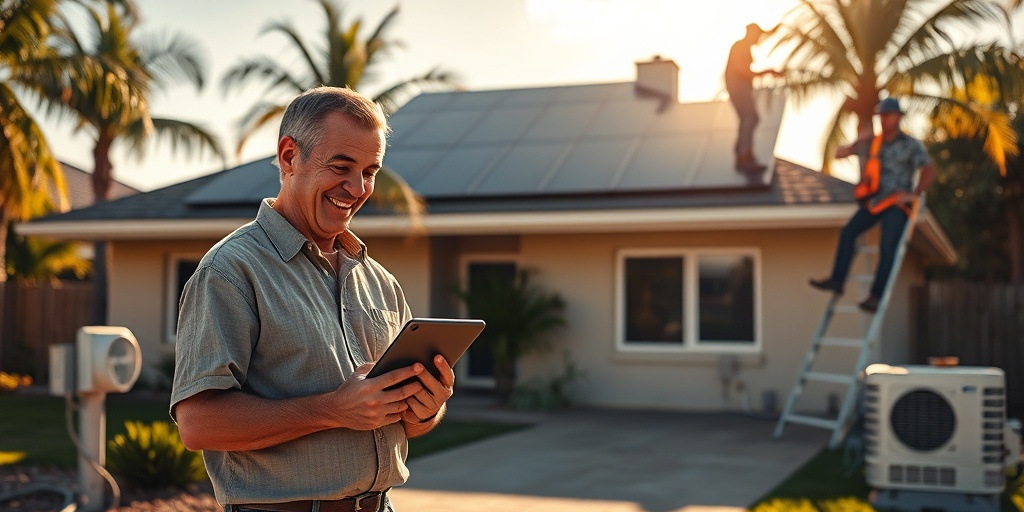
Did you know that, according to the Solar Energy Industries Association, Florida ranks third in the nation for installed solar capacity, with over 20,000 jobs in the solar sector? This statistic alone illustrates a growing trend among Florida homeowners and commercial property owners towards energy independence. In 2025, making the switch to solar is not just an option—it’s a critical step toward reducing soaring energy costs and ensuring a sustainable future. If you’re contemplating this important transition, look no further than “Expert Insight: Understanding Solar Panel Installation for Energy Independence.”
With electricity rates expected to rise by nearly 25% in the next five years, the urgency to adopt alternative energy sources like solar has never been more pronounced. Florida homeowners are increasingly recognizing the vital role solar panels can play in achieving energy autonomy while simultaneously enjoying financial savings (SEIA.org). In this comprehensive guide, we will cover five key sections that will equip you with the expert insights necessary for mastering solar panel installation:
- Section 1: An angled deep dive into a compelling case study, actionable checklist, and common myths
- Section 2: A secondary concept highlighting the environmental and economic advantages of solar energy
- Section 3: Best practices offering expert tips for solar installation
- Section 4: A narrative expanding on a Florida homeowner’s solar journey
- Section 5: An actionable plan that maps out the next steps to take in your solar journey
By the end of this article, you will not only gain a deeper understanding of solar energy systems but also feel empowered to own your power and take significant steps towards energy independence.
Grasping Energy Independence: A Deep Dive
Imagine this: the Sanchez family from Miami decided to invest in solar energy in early 2025. They had been struggling with escalating electricity bills averaging $300 per month and were concerned about Florida’s unpredictable weather patterns affecting power reliability. This concern, coupled with a rising awareness of climate change, sparked their journey towards energy independence.
The Sanchez family consulted with Florida Electric & Solar to assess their options. After an expert evaluation, they chose a 10 kW solar panel system, which would significantly reduce their electric costs. The initial investment was around $20,000, but with federal tax credits, state rebates, and local incentives, their out-of-pocket expenses came down to about $12,000. Studies show that homeowners can save up to $3,300 annually on energy bills (NREL.gov).
Checklist for Going Solar
- Step 1: Evaluate Your Energy Needs – Assess your electricity usage and understand how many panels you may need.
- Step 2: Research Financing Options – Look into loans, leases, and Power Purchase Agreements (PPAs).
- Step 3: Choose the Right Equipment – Identify which solar panels and inverters best fit your needs.
- Step 4: Navigate Local Regulations – Familiarize yourself with Florida’s permitting and zoning laws.
- Step 5: Work with Trusted Professionals – Select experienced contractors with a strong track record for installations.
Myth-Buster
- Myth #1: Solar Panels Only Work in Sunny States – While sunlight is crucial, solar systems can still generate energy on cloudy days. In fact, solar panels produce power even in low-light conditions.
- Myth #2: Solar Energy is Too Expensive – With various financing options and incentives available, the upfront costs have decreased significantly, making solar installation more accessible than ever.
- Myth #3: Installing Solar Panels is Complicated – Professional firms can simplify the process through comprehensive installation packages that handle everything from permitting to final inspections.
- Myth #4: Solar Energy is Inefficient – Modern solar panels have an efficiency rating of over 20%, which means they convert more sunlight into electricity than ever before.
- Myth #5: Solar Power Requires Extensive Maintenance – Solar panels are designed to be low-maintenance, requiring only occasional cleaning and an inspection by professionals every few years.
In Florida, the blend of natural solar resources and knowledgeable contractors creates a perfect storm for solar growth. Local policies have deemed it easier than ever to install solar systems, with mandates allowing for net metering—essentially letting homeowners receive credits for excess power sent back to the grid. This combination of technical and financial support builds a strong foundation for Florida residents to confidently embrace solar solutions.
The Advantages of Going Solar: More Than Just Energy Savings
Switching to solar energy is about more than cutting down on electric bills; it signifies a commitment to a sustainable future. The benefits extend beyond financial savings, impacting the environment and local economies.
The environmental impact is profound. A typical residential solar system can prevent over 100,000 pounds of carbon dioxide from entering the atmosphere over its lifespan (NREL.gov). This is crucial in a state like Florida, where rising sea levels and climate change pose significant threats to the ecosystem.
- 1. Increased Property Value – Homes equipped with solar energy systems tend to sell at higher prices. According to a report by the Institute for Energy Research, solar installations can raise a property’s value by around $15,000.
- 2. Job Creation – The investment in solar energy supports local economies and leads to job creation in various sectors, from installation to maintenance (SEIA.org).
- 3. Energy Security – Embracing solar power reduces reliance on traditional power sources, allowing homeowners to gain more control over their energy production and costs.
- 4. Community Resilience – During natural disasters, like hurricanes or tropical storms that Florida frequently experiences, solar energy systems can provide essential backup power, helping communities maintain critical services.
With solar installations becoming more efficient, the technology has grown profoundly in recent years. The rise of solar battery systems complements traditional solar setups, allowing for excess energy storage for nighttime or cloudy days, thus increasing energy independence.
5 Expert Solar Installation Tips for 2025
Planning to go solar in 2025? Here are five expert tips to ensure a smooth installation process:
- 1. Don’t Skimp on Panel Placement – Optimize panel placement by consulting with professionals who can analyze roof angles and shading.
- 2. Invest in Quality Equipment – Choose reputable brands with proven performance records like LG or SunPower. Quality equipment may have a higher upfront cost but improves long-term benefits.
- 3. Stay Informed about Local Incentives – Research federal and state programs that may offset your costs. For instance, the Federal Solar Investment Tax Credit (ITC) can cover up to 26% of your installation costs through 2025.
- 4. Consider Battery Storage – Integrating a battery storage system allows you to utilize solar energy during outages or peak hours, maximizing your savings.
- 5. Schedule Regular Maintenance – Ensure periodic inspections are done on your solar system to catch potential issues early, extending the lifespan of your equipment and efficiency.
These expert insights will empower you to make informed decisions that will ultimately lead to a successful solar transition. Equip yourself with knowledge and reach out to professionals who can guide you through the intricacies of the installation process.
A Journey Toward Solar Independence: The Martinez Family Story
The Martinez family, residing in Clearwater, had put off considering solar energy for years, feeling either overwhelmed by the process or unsure of its advantages. However, after experiencing a 40% increase in their electricity bill in just two years, they decided to take action. After extensive research, they discovered how solar energy could transform their home, leading them to partner with Florida Electric & Solar for their installation.
In a span of just three months, the Martinez family saw their transformation from consumers to producers of energy. Their new solar setup reduced their monthly electricity costs from $250 to an astonishing $70. They were thrilled to realize that they would not only regain savings but would also receive credits for excess energy contributed back to the grid.
Some critical lessons from their journey included:
- Selecting an Experienced Installer – They learned the importance of partnering with a proven installer, which avoided pitfalls and ensured optimal system performance.
- Understanding Incentive Programs – The family was able to take advantage of local utility programs and state tax incentives that further reduced their initial financial burden.
- Engaging in Community Education – Inspired by their own success, they began sharing their solar energy story with neighbors, fostering a community interested in investing in renewable energy for the future.
According to the Florida Solar Energy Center, nearly half of all homeowners express a strong interest in solar installations, envisioning the economic and environmental advantages it brings (FSEC). Stories like that of the Martinez family serve to encourage not only individuals but entire communities to consider the benefits of going solar.
Next Steps for Florida Solar Buyers in 2025
Now that you’ve armoured yourself with knowledge about solar energy, what comes next? Understanding the next steps can facilitate your transition to solar power.
- Step 1: Audit Your Electric Bill – Begin by examining your electricity usage to identify potential savings. Consider consulting with an energy advisor to determine your needs.
- Step 2: Explore Financing Options – Look into various financing resources available for solar installations, including loans, tax credits, and rebates.
- Step 3: Contact Local Solar Installers – Reach out to reputable Florida solar companies to seek quotes and recommendations based on your unique circumstances.
- Step 4: Prepare for Installation – Gather necessary documentation, including permits, and ensure clear communication with your chosen contractor about project timelines.
- Step 5: Monitor Your System – After installation, keep a continuous check on your solar production and energy consumption to optimize efficiency.
These actionable steps are designed to mitigate any initial uncertainties you may feel as you embark on this important journey towards energy independence. For further assistance and personalized guidance, consider speaking with a certified expert at floridaelectricandsolar.com, who can walk you through each step with confidence.
As we wrap up this exploration into solar energy, let’s reflect on the myriad benefits this choice brings—financial savings, environmental responsibility, and the assurance of energy security. In a rapidly evolving world, the decision to invest in solar power can make a lasting impact on your future and your family, not to mention contribute positively to your community. Are you ready to make the leap? The time for solar is now, especially in the sun-soaked state of Florida.
Ready to start your solar journey in 2025? Connect with a certified expert at floridaelectricandsolar.com today.
Related Articles
More insights about Solar Panel

Florida Homeowners: Why Solar Panel Maintenance Is Essential

7 Essential Steps for Solar Panel Installation Success

Expert Insights: Key Factors Influencing Solar Panel Lifespan
Ready to Go Solar?
Have questions about solar energy? Our experts are here to help you make the switch to clean, renewable energy.