
A Technical Deep-Dive into Solar Panel Lifespan and Efficiency
Share:
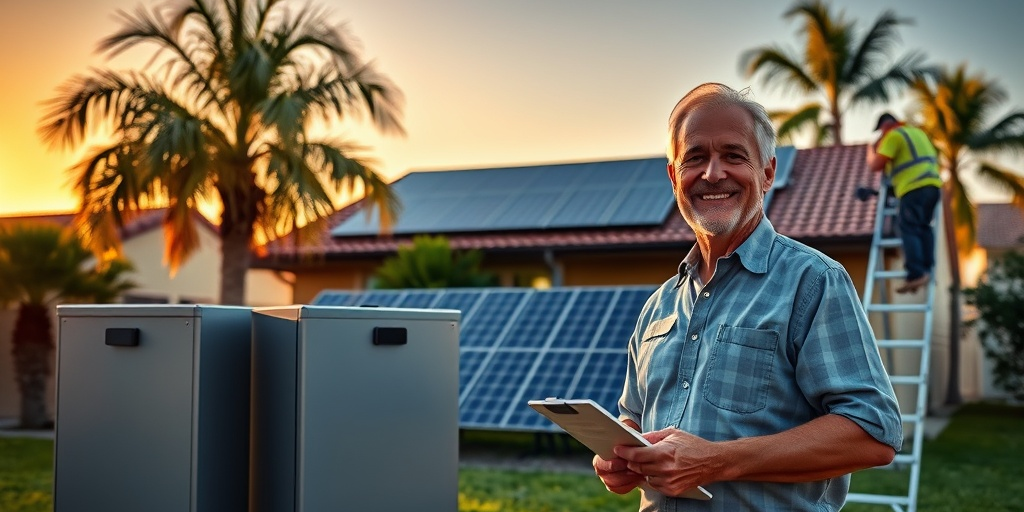
Imagine standing in your backyard, watching the sun rise over your home in sunny Florida, knowing that the energy that powers your household—indeed, the very life blood of your comfort and convenience—comes from a sustainable, renewable source. A dramatic 50% drop in the cost of solar energy systems over the past decade (SolarReviews.com) makes this scenario more feasible than ever. It’s no surprise that the conversation around solar power has grown increasingly vibrant, especially as we approach 2025. With significant increases in energy prices and the federal government providing new incentives for solar installations, there’s never been a better time to delve into the vital details of “A Technical Deep-Dive into Solar Panel Lifespan and Efficiency.” In Florida, where sunny days are nearly guaranteed, the choice to invest in solar power isn’t just smart; it’s urgently becoming essential. Solar panel efficiency and longevity significantly affect your return on investment, which is critical for homeowners and commercial property owners alike.
This blog post will explore five crucial sections to ensure you have all the knowledge you need to make an informed decision about solar energy:
- Understanding Solar Panel Lifespan and Efficiency: An in-depth look at the life expectancy and performance of solar systems.
- A Comprehensive Checklist for Solar Installation in Florida: Key steps to take when considering solar installation.
- Dismantling Solar Myths: Clearing up common misconceptions regarding solar energy.
- Best Practices for Optimizing Your Investment: Tips to maximize your investment in solar technology.
- Creating an Effective Action Plan: Outlining steps to take as you embark on your solar journey.
Let’s dive into the intricate dynamics of solar panel lifespan and efficiency.
Understanding Solar Panel Lifespan and Efficiency
When it comes to solar panels, the longevity and efficiency of these systems play crucial roles in determining their value. On average, solar panels last between 25 to 30 years, but this can vary significantly based on several factors, including quality, installation environment, and maintenance practices. Homeowners often worry about whether solar panels will continue to be efficient as they age. Studies indicate that on average, the efficiency of solar panels degrades about 0.5% to 1% per year (Energy.gov). This minimal decline ensures that even after 25 years, a quality solar panel can still produce around 80% of its original capacity—a reassuring factor for any potential investor in solar energy.
But how exactly does this play out in real life? Let’s consider the story of Maria, a 34-year-old teacher living in Florida. Frustrated by her rising energy bills, she made the switch to solar panels three years ago. Maria opted for a high-quality solar system with a warranty of 25 years. After three years, she noticed her panels still generated almost 95% of their rated capacity during sunny days, thanks to optimal placement and regular maintenance. Her experience is a testament that with the right choice, solar panels can indeed be a long-term investment.
To fully understand solar panel lifespan and efficiency, let’s cover a few essential factors:
- Quality Matters: High-quality panels tend to have longer lifespans and better efficiency ratings. Look for panels backed by reliable manufacturers and comprehensive warranties.
- Environmental Impact: Florida’s coastal environment can impact panel efficacy, especially in storm-prone areas. However, the robust designs of modern panels mitigate many risks.
- Regular Maintenance: Keeping panels clean and properly maintained can significantly extend their lifespan and operational efficiency.
Understanding the technical elements—such as inverters and batteries—also plays a vital role in maximizing the lifespan of your solar system. String inverters, for example, usually last about 5 to 10 years less than the solar panels themselves. That means planning for future replacements is crucial. Batteries, often used in conjunction with solar systems to store energy, can vary widely in their longevity, with good quality lithium-ion batteries typically lasting around 10-15 years. With this in mind, it’s important to factor in replacement costs when evaluating your overall solar savings.
With these considerations in mind, securing solid ROI becomes much more attainable. But before you proceed, let’s outline a checklist to guide you through the solar installation process—critical knowledge for any Florida homeowner aiming to go green.
A Comprehensive Checklist for Solar Installation in Florida
Embarking on the journey to solar energy might feel daunting, but having a well-defined checklist can ease the process. Below are the essential steps that every Florida homeowner should take when considering solar installation.
- Step 1: Perform an Energy Audit – Start by analyzing your last electricity bills and assessing your home’s energy consumption. Identify your typical usage and peak demand times.
- Step 2: Explore Financing Options – With an array of financing options available, including state incentives and federal tax breaks, understanding your financial path is crucial to making a high-value decision.
- Step 3: Research Solar Providers – Look for reputable solar energy companies with verified credentials and industry experience. Read reviews and seek testimonials from other Florida homeowners.
- Step 4: Evaluate System Design – Choose the right type of solar panel system that meets your energy needs—whether grid-tied, off-grid, or hybrid—based on your energy audit findings.
- Step 5: Review Contracts – Thoroughly go through your contract terms, warranty details, and service agreements before making any commitments. Clear understanding creates a sense of ease.
By working through these steps, you’re not only educating yourself about solar energy but also ensuring a smooth and well-informed transition to renewable energy. As you navigate the processes ahead, it’s equally important to challenge the myths surrounding solar power.
Dismantling Solar Myths
Despite the growing popularity of solar energy, myriad myths persist, often deterring potential investors. Let’s dismantle some of these widespread misconceptions.
- Myth #1: Solar Panels Don’t Work in Cloudy or Rainy Weather – While it’s true that solar panels work best in direct sunlight, they can still generate electricity on cloudy days. In fact, some solar designs can capture diffused light efficiently, allowing homeowners to maintain energy production even in less-than-ideal conditions.
- Myth #2: Solar Energy Is Too Expensive – Given the significant price drops over the past decade, coupled with federal and state incentives, many homeowners find that investing in solar significantly cuts long-term electricity costs. On average, solar can reduce electricity expenses by up to 70% (NREL.gov).
- Myth #3: Solar Panels Require Constant Maintenance – Maintenance is minimal; regular cleaning and periodic checks typically suffice. Newer panel designs are made to withstand various environmental impacts, and most homeowners can rely on their solar systems to work throughout their lifespan with minimal intervention.
- Myth #4: You Can’t Install Solar Panels on a Shaded Roof – While shade does impact solar efficiency, the placement of panels can be adjusted to optimize sunlight exposure. Moreover, with advanced technologies like microinverters, partially shaded systems can still deliver substantial energy outputs.
- Myth #5: Solar Energy Is a Fad – The statistics tell a different story. The U.S. solar industry grew by over 20% in 2021 alone, and predictions suggest ongoing expansion in the coming years (SEIA.org).
With a clearer understanding of the truth surrounding solar power, homeowners can make informed decisions without the gloss of myths obscuring their path. Now, let’s pivot and discuss best practices that can optimize your solar investment.
Best Practices for Optimizing Your Investment
As a Florida homeowner, a transition to solar energy is undoubtedly a significant investment. To ensure you’re optimizing your setup for maximum efficiency and lifespan, consider these best practices:
- Consider Panel Placement: The orientation and tilt of your panels are critical. Ideally, panels should face south and have a tilt of about 30 degrees to capture the most sunlight. A qualified installer will help you maximize exposure.
- Invest in Quality Inverters: Choosing high-quality inverters can extend the overall lifespan of your solar system. Ensure that your inverter has a warranty that matches or exceeds that of your panels.
- Stay Informed on Technology Advances: Solar technology is continuously evolving. Stay updated on innovations, as newer options may better serve your energy needs or enhance system performance.
- Monitor Your System’s Performance: Use software or apps to keep track of your solar production and energy savings. Address any performance issues immediately to maintain efficiency.
- Plan for System Upgrades: As technology advances, plan for future upgrades to maintain your system’s efficiency. This may include inverter replacements or battery additions as your needs change.
Weighing the long-term benefits of these best practices against the initial cost will reveal a clearer picture of your potential ROI. Now, let’s explore a realistic solar journey that encapsulates these principles.
A Realistic Solar Journey in Florida
Meet Tom and Sarah, a couple living in a charming suburban neighborhood in Orlando. They spent years contemplating the switch to solar but always held back; doubts and fears clouded their judgment. As 2025 approached and their utility bills increasingly rose, they finally decided enough was enough.
After performing an energy audit, their system designer proposed a 10 kW solar panel system. They chose an optimal installation site with maximum exposure, ensuring a forward-thinking approach to their solar needs. Five key steps characterized their solar journey:
- Energy Audit: They learned that by switching to solar, they could save approximately $1,200 annually on electricity costs.
- Educated Choice: They opted for high-efficiency solar panels that maintained about 90% production efficiency after 20 years.
- Funding and Grants: They took advantage of various local incentives, reducing upfront costs by 30%, a potential game changer for budget constraints.
- Professional Installation: They chose a local, reputable installer with excellent customer reviews who provided a warranty that ensured peace of mind.
- Continuous Monitoring: After installation, they utilized an app that allowed them to monitor solar production and remaining performance details.
Tom and Sarah’s journey encapsulates the importance of informed decision-making and strategic planning. Their energy usage has halved since their installation, and community outreach reveals that homeowners can expect to enter a similar cycle of satisfaction driven by knowledge.
Next Steps for Florida Solar Buyers in 2025
After gaining a thorough understanding and insight into solar energy, you’re poised to take the next steps toward investing in solar panels. Follow these actionable steps.
- Step 1: Audit Your Electric Bill – Review your monthly bills to determine your energy usage and evaluate savings potential.
- Step 2: Research Local Incentives – Investigate federal and state tax credits available specifically for Florida homeowners successfully investing in solar energy.
- Step 3: Consult with Reputable Solar Companies – Schedule consultations with qualified solar providers to discuss cost, system type, and financing options.
- Step 4: Evaluate Installation Proposals – Compare system designs and cost proposals from multiple companies to get a clearer perspective on your options.
- Step 5: Make the Decision – If all checks are satisfactory, move forward confidently with your chosen installer to finalize the installation plan.
Taking action now will empower you to harness the wealth of Florida’s sunshine. For assistance with these steps, don’t hesitate to contact experts who can help. Visit floridaelectricandsolar.com to connect with certified experts dedicated to your solar success.
Conclusion
Exploring “A Technical Deep-Dive into Solar Panel Lifespan and Efficiency” has illuminated the essential factors influencing the viability of solar energy in Florida. You learned about critical elements such as lifespan, efficiency metrics, cost-saving possibilities, and best practices that set you on the right path. By understanding the realities of solar power, you can make informed decisions that not only benefit your finances but also contribute to a sustainable future.
Your choice today impacts your family’s energy costs tomorrow and shows a commitment to environmental stewardship. With energy prices rising and new incentives emerging, now is the perfect moment to embrace solar power. Are you ready to empower your home with clean, renewable energy? Connect with a certified expert at floridaelectricandsolar.com today and embark on your solar journey in 2025!
Related Articles
More insights about Solar Panel

Florida Homeowners: Why Solar Panel Maintenance Is Essential

7 Essential Steps for Solar Panel Installation Success

Expert Insights: Key Factors Influencing Solar Panel Lifespan
Ready to Go Solar?
Have questions about solar energy? Our experts are here to help you make the switch to clean, renewable energy.