
Expert Insight: Maximizing Solar Panel Lifespan for Optimal Performance
Share:
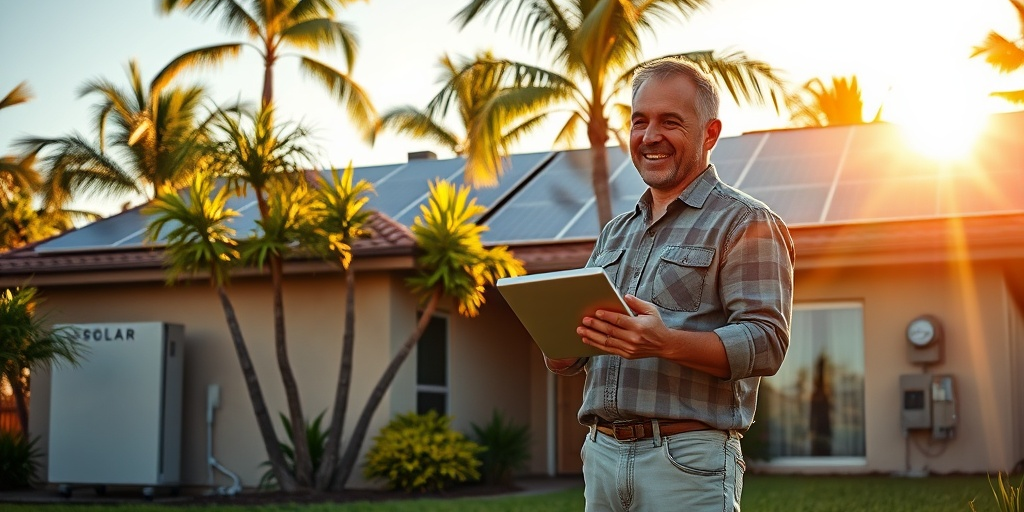
Are you aware that solar panels typically last between 25 to 30 years, but with the right care and attention, this lifespan can be extended even further? As we venture into 2025, the urgency for homeowners and commercial property owners in Florida to maximize their solar panel lifespan for optimal performance becomes paramount. In this insightful piece titled Expert Insight: Maximizing Solar Panel Lifespan for Optimal Performance, we’ll uncover valuable strategies to enhance the longevity and efficiency of your solar energy system. Recent studies show that solar energy capacity has increased by 25% in just the past few years, with Florida now ranking third in the United States for installed solar capacity (SEIA.org). Coupled with rising electricity costs and newly available tax incentives, the push to go solar has never felt more pressing. This narrative will dive into five essential segments: a comprehensive case study on achieving reliability, a practical checklist for extended lifespan, a myth-busting segment addressing common misconceptions, a local focus on our unique Florida landscape, and a technical deep dive into system components and maintenance.
Case Study: The Griffiths’ Solar Energy Success Story
Meet the Griffiths, a Florida family who made the ambitious decision to harness solar energy for their home. Two years ago, they installed a neighborhood-leading solar panel system, and today, they’ve seen remarkable results. At first, they faced skepticism from friends and family who believed solar power was a passing trend or too complex to manage. However, the Griffiths took charge of their decision, thus embarking on a proactive journey to fully leverage their solar panels.
After their installation, they decided to conduct regular check-ups and maintenance, which resulted in their panels performing at optimal levels, even during the intense Florida summer heat. Their proactive approach included cleaning the panels quarterly and monitoring performance through specialized software. This translated directly into significant savings—nearly $1,500 annually compared to their pre-solar energy bills. By 2025, homeowners like the Griffiths will need to explore such successful strategies to maximize solar panel lifespan for optimal performance. They also capitalized on Florida’s Net Metering policy, allowing them to sell back any excess energy produced (Florida Solar Energy Center).
Based on their experience, let’s break down actionable steps you can implement to extend the life of your solar power system.
5 Key Steps to Maximize Solar Panel Lifespan
- Step 1: Regular Cleaning – Dust, pollen, and debris can accumulate on your solar panels, reducing their efficiency significantly. Make it a quarterly ritual to inspect and clean your panels or hire professionals if necessary.
- Step 2: Monitoring Performance – Investing in monitoring software or systems allows you to track how your solar panel system performs. If you observe drops in energy production, it could indicate maintenance is needed.
- Step 3: Professional Inspections – Schedule routine professional inspections annually, ensuring that all components—panels, inverters, and batteries—are in top-notch condition.
- Step 4: Optimal Positioning – Ensure your panels are positioned to maximize sunlight exposure, ideally in areas free from obstructions and shaded foliage.
- Step 5: Mind the Weather – Florida is prone to hurricanes and heavy rains; ensuring that your solar set-up is storm-resistant and ready for potential weather challenges can considerably add to its lifespan.
In addition to these steps, it’s important to debunk some widespread myths surrounding solar energy and its maintenance in Florida.
Myth-Busting: Unveiling the Truth Behind Solar Energy
Myth #1: Solar Panels are Too Expensive – While the up-front cost can be daunting, financing options, tax credits, and incentives can significantly lower your overall expenditure. The return on investment often outweighs initial costs.
Myth #2: Solar Energy Isn’t Effective in Cloudy Weather – Many believe that solar panels only work under direct sunlight. In fact, solar panels can generate energy even in overcast conditions as they capture ambient light (Energy.gov).
Myth #3: Homeowners Can’t Benefit from Home Solar Systems – This is misleading. Many Florida homeowners earn substantial savings through net metering programs, allowing utility companies to buy surplus energy produced, creating a no-cost situation for the homeowner to maintain their solar expenses.
Myth #4: Solar Systems Are Maintenance-Free – While solar panels require less maintenance compared to traditional power sources, they still need regular maintenance checks to reach optimal efficiency levels.
Myth #5: Solar Panels Can’t Work in the Winter – Florida’s mild winter keeps solar production active, maintaining productivity during every season.
With thorough knowledge of what impacts solar panel lifespan and confronting these myths, homeowners can use insights to make informed decisions. But what about the unique aspects of Florida that can affect solar panel performance? Let’s delve deeper.
Florida-Specific Focus: Navigating the Sunshine State’s Unique Landscape
When discussing solar in Florida, it’s essential to consider how our environment, policies, and local incentives play a crucial role in optimizing solar performance. Florida boasts a remarkable average of over 237 sunny days per year, making it an ideal location for solar energy production. However, this abundance of sunshine also brings unique considerations…
- Impact of Humidity: Florida’s humidity can lead to moisture accumulation on panels, making routine cleanings crucial to sustain performance.
- Hurricane Preparedness: Understanding your solar installation’s resilience through proper planning and manufacturer specifications can drastically affect lifespan and functionality.
- Local Regulations: Familiarize yourself with local solar policies that can either expedite or hinder your ability to go solar. Initiatives like Florida’s Solar Rights Act protect homeowners installing solar within their property limits (Florida Solar Energy Center).
5 Expert Solar Installation Tips for 2025
Planning to put solar panels on your property in 2025? Here are five expert tips that will not only enhance the installation process but also ensure your system operates seamlessly over the years:
- Don’t Skimp on Panel Placement: Poor placement can lead to significant energy loss. Consult professionals for optimal positioning to maximize captured sunlight.
- Choose Quality Components: Invest in high-quality panels and inverters. Premium components typically last longer and perform better over time.
- Utilize Advanced Technology: Keep an eye on emerging solar technologies like bifacial panels or solar shingles that can improve efficiency.
- Engage a Trusted Installer: Partnering with reliable installers ensures not just compliance with building codes but also long-term support and service.
- Stay Informed: With continuous innovations in solar policies, technologies, and incentives, staying updated ensures you’re not missing out on revolutionary benefits.
The solar landscape is rapidly evolving, and Florida homeowners will be well-positioned to take advantage of upcoming developments to ensure longevity in solar panel life.
The Griffiths’ Extended Journey with Solar Energy
Reflecting on the Griffiths’ experience again, they’ve recently upgraded to a new inverter thanks to recent policy incentives allowing financial support for solar system improvements. Such upgrades contribute to extended panel life, which is essential given their increasing power demands as their family grows. Their decision to optimize and adapt their energy consumption habits can be a guiding example for others.
Here are a few enhancements they focused on during this journey:
- Upgrading to Smart Technology: Their move towards smart home integration allows them to monitor energy production in real-time.
- Battery Storage Systems: Investing in storage technology ensures they harness the most energy during production and rely less on the grid.
- Community Solar Programs: The Griffiths also engaged in community solar projects, enhancing network efficiency and sustainability within their locality.
Next Steps for Florida Solar Buyers in 2025
If you’re ready to explore the benefits of going solar, it is vital to follow these actionable steps. Consider starting with an audit of your current energy usage:
- Step 1: Audit Your Electric Bill – Analyze previous utility expenses to determine potential savings.
- Step 2: Research Options – Explore different solar solutions that fit your home’s power needs.
- Step 3: Connect with Experts – Consult with solar professionals at floridaelectricandsolar.com for tailored solutions.
- Step 4: Explore Financing Options – Look into available state and federal financing and incentives to ease installation costs.
- Step 5: Plan Installation – Set a timeline and action plan for solar installation to ensure a smooth transition to solar energy.
In conclusion, understanding how to maximize your solar panel lifespan for optimal performance becomes ever more essential as we approach 2025. As shown through the Griffiths’ story, a proactive approach towards maintenance, informed decision-making, and adaptation to technology advancements will ensure that your investment pays dividends for years to come. The move towards solar energy is not merely a trend, but a vital step towards energy independence and financial stability for your family.
Ready to start your solar journey in 2025? Connect with a certified expert at floridaelectricandsolar.com today.
Related Articles
More insights about Solar Panel

Florida Homeowners: Why Solar Panel Maintenance Is Essential

7 Essential Steps for Solar Panel Installation Success

Expert Insights: Key Factors Influencing Solar Panel Lifespan
Ready to Go Solar?
Have questions about solar energy? Our experts are here to help you make the switch to clean, renewable energy.