
Warning: Don’t Fall for These Common Solar Scams
Share:
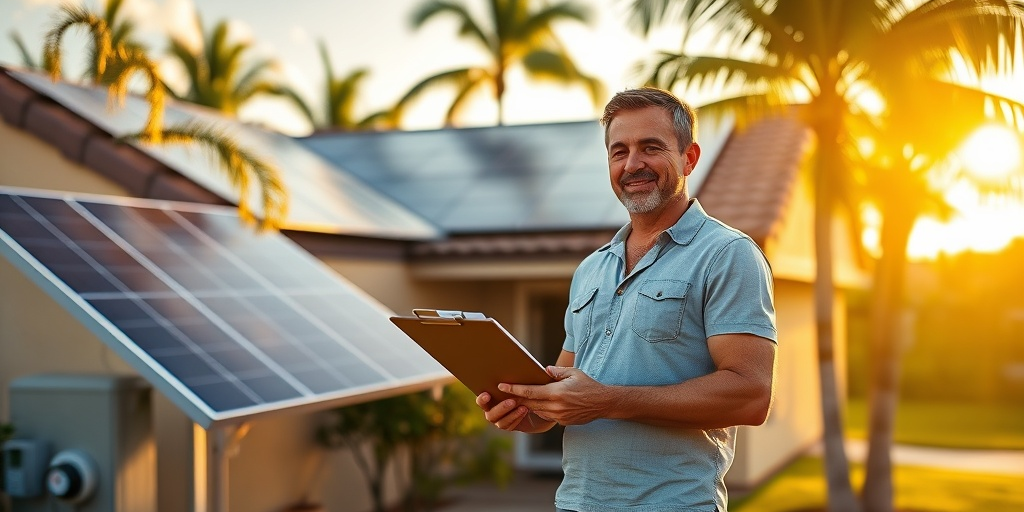
As climate change increasingly affects our lives and wallets, many Florida homeowners are considering going solar to cut energy costs and embrace a sustainable future. However, as demand grows, so do the scams targeting naive consumers. Did you know that approximately 25% of solar panel customers have reported deceptive practices, such as inflated pricing or misleading warranty information? (SolarReviews.com) Or that Florida ranks third in the United States for new solar capacity, making it a prime target for fraudulent practices? (SEIA.org) In 2025, as the quest for energy independence becomes critical amidst fluctuating energy prices and new policies, understanding how to protect your investment should be your top priority. In our article titled, Warning: Don’t Fall for These Common Solar Scams, we’ll delve into the various scams that plague solar consumers and arm you with essential knowledge to safeguard your solar journey.
This post will cover five critical areas:
- Section 1: Real-life solar scam stories and how to recognize them.
- Section 2: A must-follow checklist to prevent being victimized by scams.
- Section 3: Common myths surrounding solar energy and the truth behind them.
- Section 4: Local insights on Florida’s solar market dynamics and how to navigate them.
- Section 5: A technical deep dive on the policies and technology shaping the solar landscape.
With energy costs on the rise and the solar market evolving, knowledge is your best defense. Let’s jump straight into the first section to explore real-life experiences and tackle the scams head-on.
Solar Scam Stories: Learning from Experience
Imagine this: the Smith family of Orlando eagerly signs up for solar panels, excited about the prospect of not having to pay high electric bills anymore. A charming salesperson from a solar company promises stellar savings but fails to disclose the fact that the panels are refurbished and come with no legitimate warranty. A year later, the Smiths find themselves battling with the company over unreliable service, all while dealing with malfunctioning panels. This is a classic case of a solar scam that targets eager homeowners, promising them savings that are too good to be true. The American public lost over 100 million dollars to home improvement scams, with solar being a significant category (ConsumerAffairs.com).
Below is a checklist to help you identify red flags when considering solar installation:
- Verify Company Credentials: Always confirm that the company has proper licensing and strong reviews.
- Avoid High-Pressure Sales Tactics: If someone is pressuring you to sign on the dotted line immediately, this is often a warning bell.
- Review All Contracts Thoroughly: Do not rush through paperwork; scrutinize terms, warranties, and financing options carefully.
- Expect the Unexpected: Detached guarantees about energy savings or inflated promises should have you questioning their motives.
- Get Multiple Quotes: Consulting more than one solar provider will help ensure you receive fair and accurate pricing.
The reality is, while many homeowners are joining the solar revolution, there are endless scams lurking in the shadows. For instance, some companies advertise free retrieval of old solar systems or equipment, only to charge hidden fees post-installation. Frequently, unsuspecting customers find themselves jamming those quirks into their hefty electric bills.
Now that we’ve surfaced these stories, it’s time to address popular myths surrounding solar technology and separate fact from fiction.
Common Myths: Debunking Misconceptions
Solar energy is too expensive! This is perhaps the most pervasive myth. In fact, the costs of solar installations have dropped by roughly 82% since 2010, and federal incentives significantly offset out-of-pocket expenses (NREL.gov). Furthermore, many options for financing make adopting solar energy less costly than you might expect.
Another common misunderstanding is that solar panels don’t work during cloudy days. While sunlight does impact the efficiency of your solar system, advanced technology allows panels to generate electricity even in diffuse sunlight to some degree, which is particularly vital for Florida’s often overcast weather.
Next on the common misconceptions list is solar is only good for certain types of homes. In reality, solar systems can be customized based on available roof space, orientation, and energy needs, making it a viable option for nearly any household.
Let’s address the final myth that you’ll never break even on your investment. Evidence shows the average return on investment in solar is about 20% a year, with many homeowners completely breaking even within 5 to 7 years after installation (SEIA.org).
Now, let’s take a deeper dive into the specifics of Florida’s solar landscape and local dynamics.
Spotlight on Florida: The Solar Market Landscape
As the sunniest state in America, Florida has embraced solar energy with open arms, installing over 5,700 MW of solar energy capacity as of 2023 (SEIA.org). With an aggressive push towards cleaner energy through various state policies, surprisingly, this also means more scams emerge to exploit uninformed homeowners.
In particular, Florida’s recent advancements and legislation—such as the Florida Power & Light’s “Solar Together” program—allow homeowners to engage in community solar programs, effectively enabling shared access without the initial upfront investment generally associated with solar panels. However, every silver lining has its shadows. Due to the rising popularity of such programs, third-party companies are emerging with deceptive ads, promising hefty government tax credits on non-existent or inapplicable products. Falling for these touts could lead to significant financial loss.
Understanding local regulations is vital. Consumers should seek resources from the Florida Solar Energy Center for accurate information on permitting, rebates, and approved contractors. Exploring independent reviews can also highlight reputable competitors in your area. Keep an eye on available financing linked to state and federal grants, deductions, and credits. Here’s a breakdown of key elements to consider:
- Understand Rebate Programs: Florida offers programs that can significantly reduce installation costs for solar systems.
- Focus on Solar-Friendly Policies: Engage with local laws that support solar power growth.
- Beware of Unregulated Companies: Ensure you’re working with certified and insured providers.
As we transition into the technical elements that impact solar installation and policy, let’s explore how to understand the workings of solar systems better.
The Technical Side: Navigating Solar Installation and Policy
Your journey in solar energy isn’t complete without comprehending critical technical aspects. Knowing how solar panels work—transforming sunlight into usable electricity—is the first step. Moreover, understanding how to interpret billing can be critical. For instance, net meter billing shades light on how solar customers get back credits for any excess energy they supply back to the grid.
When installing solar panels, also consider the inverter. This essential piece of equipment handles the conversion of the direct current (DC) generated by solar panels into alternating current (AC), which your home uses. An inverter’s efficiency can impact the entire system’s effectiveness and output over its lifespan. That’s why customers are encouraged to research inverter brands and opt for models with solid warranties.
It’s also beneficial to familiarize yourself with types of ownership. Whether you choose to purchase your panels, opt for a loan, or enter into a lease, the choice can significantly affect your long-term savings. Make sure to educate yourself on these variations to determine which option aligns with your financial goals.
Adopting solar energy involves complexities that require additional research as Florida’s energy policies evolve. Homeowners must stay informed and updated about changing regulations, government incentives, and potential financing opportunities. Remember to consult trusted sources like floridaelectricandsolar.com for accurate assessments and up-to-date information.
Next Steps for Florida Solar Buyers in 2025
If you’re ready to make the shift to solar energy, here are actionable steps to guide you:
- Step 1: Audit Your Electric Bill: Review your current electricity expenditures to identify how much you’re spending annually.
- Step 2: Research Solar Companies: Compile a list of local firms, focusing specifically on customer reviews, ratings, and accreditations.
- Step 3: Collect Multiple Quotes: Engage with at least three different companies to benchmark pricing, financing options, and service offerings.
- Step 4: Review Financing Options: Familiarize yourself with available loans, incentives, and leasing possibilities to make an informed decision.
- Step 5: Ask the Right Questions: Customize your inquiries to address warranties, types of panels, future technology, and customer support.
Each step should be thorough to ensure you’re not falling prey to scams while maximizing your solar savings. Stay informed and aware of red flags as you embark on this journey to reducing your carbon footprint while investing in your financial future through renewable energy.
As we conclude our comprehensive exploration into the potential hazards in the solar industry, here’s a brief recap of why being informed about scams is more important now than ever.
Understanding and mitigating the risks involved in solar energy will empower you to make educated decisions while protecting your investment. Choosing to go solar is an essential step toward energy independence, reducing monthly expenses, and creating a sustainable future. With the right knowledge, vigilance, and strategic planning, you can harness the sun’s power without falling victim to scams. Don’t let yourself become a statistic. Instead, join the thousands of Florida homeowners who are maximizing their savings and contributing to cleaner energy.
Ready to start your solar journey in 2025? Connect with a certified expert at floridaelectricandsolar.com today.
Related Articles
More insights about Solar Scams

Warning: Don’t Overlook These Solar Scams to Avoid

Don’t Miss This Critical Alert About Solar Scams

Don’t Ignore These Critical Solar Scams to Avoid
Ready to Go Solar?
Have questions about solar energy? Our experts are here to help you make the switch to clean, renewable energy.