
7 Essential Steps for Solar Panel Maintenance Success
Share:
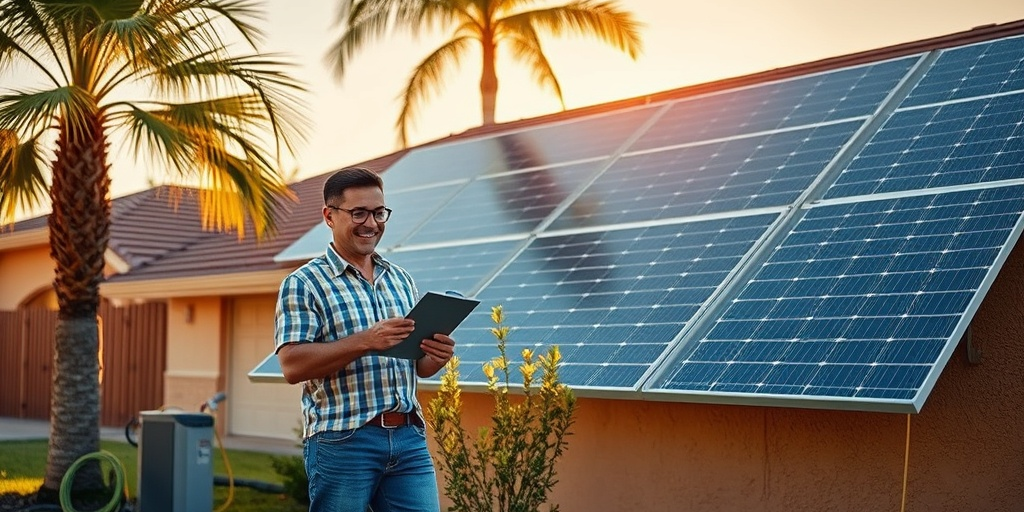
In the Sunshine State, where the sun graces every day with abundant energy, opting for solar panels is a decision that many Florida homeowners are making. Did you know that Florida ranks second in the nation for solar energy capacity, realizing over 3,200 megawatts of solar power by 2023? With rising energy costs and a projected 33% increase in homeowner utility bills by 2025 (SEIA.org), understanding how to keep your solar panels in tip-top shape is more critical than ever. This is where our guide, 7 Essential Steps for Solar Panel Maintenance Success, comes into play. Ensuring your system runs efficiently not only maximizes utility bill savings but also extends the life of your investment. Not to mention, smart maintenance can lead to better performance during peak sun hours! In this post, we’ll delve into the pressing need for solar maintenance in 2025 and outline seven crucial steps to keep your solar panels shining bright. We’ll cover:
- Case Study: A homeowner’s real-life experience with solar panel maintenance.
- A comprehensive checklist that ensures your solar system’s peak performance.
- Myth-busting common misconceptions about solar maintenance.
- A local focus on Florida’s solar incentives and regulations.
- A technical deep-dive on how solar panels function and what affects their performance.
By the end of this post, you’ll not only understand the necessity of maintaining your solar system but also take actionable steps to achieve solar panel maintenance success in 2025.
Case Study: A Florida Homeowner’s Solar Journey
Meet Sarah, a homeowner from Orlando who decided to go solar in 2022. Enthusiastic about the solar revolution, she invested in a solar panel system to reduce her carbon footprint and save on energy costs. Initial savings were evident—her utility bills drastically reduced. However, after a year of unnoticed dirt accumulation and minimal cleaning, Sarah noticed an unexpected dip in energy production. Fascinated by her solar system, she sought advice and stumbled upon the seven vital steps for solar panel maintenance success.
Sarah learned that keeping her panels clean could enhance efficiency by up to 20% (NREL.gov). Her discovery was timely; Florida’s hot, humid climate can create an ideal breeding ground for dirt, algae, and debris, which can obstruct sunlight. By making maintenance a priority, Sarah not only maintained her savings but also contributed to a greener environment.
Here’s a checklist of her findings to ensure solar panel maintenance success:
- Step 1: Regular Cleaning—Cleaning your panels at least 2-4 times a year ensures maximum sunlight absorption.
- Step 2: Maintaining Surrounding Vegetation—Trim trees and bushes to avoid shading.
- Step 3: Monitoring Performance—Invest in a solar monitoring system to track energy production.
- Step 4: Professional Inspections—Schedule annual inspections from certified solar panel technicians.
- Step 5: Document System Performance—Keep a record of energy consumption and production for troubleshooting.
Taking these steps revitalized Sarah’s solar energy production and reassured her that her investment was protected. Florida homeowners, like Sarah, have the power to enhance their solar panels’ efficiency and longevity with proper maintenance—it’s as simple as sticking to a routine.
7 Essential Steps for Solar Panel Maintenance Success
In this section, we’ll provide you with a definitive checklist to simplify your solar maintenance routine. Understanding what your solar system needs fosters peace of mind, leading to enhanced energy savings. Here are the essential steps:
- Step 1: Regular Cleaning
Maintaining cleanliness is vital for your solar panels. Dirt, grime, and algae can significantly reduce solar output. It’s advisable to clean panels at least two to four times a year, especially after a hefty rainstorm or windy weather. Simple hose cleaning is often adequate; however, in some cases, professional cleaning may be required. - Step 2: Vegetation Management
In Florida, lush landscaping is part of our culture. However, tall trees and overhanging branches can create unwanted shade. Ensure that any nearby foliage is pruned and trimmed regularly to maximize sunlight exposure to your panels. - Step 3: Monitor Performance
Investing in a solar monitoring system can take your solar journey to the next level. Many new systems come with smart technology that allows you to track real-time energy production. Monitoring can help identify issues before they become significant problems. - Step 4: Professional Technicians
Although DIY maintenance can be manageable, annual inspections by certified professionals ensure everything operates smoothly. These experts can test your system and advise on possible upgrades or repairs. - Step 5: Document Your Performance
Keeping a rigorous log of your system’s productivity over time can be insightful. If you notice sudden performance drops, having historical data can help technicians troubleshoot effectively.
Taking the time to implement these steps not only fosters the longevity of your solar system but also uplifts the sustainability message that many Floridians are proud to share with their communities. For a tailored maintenance checklist, consult with floridaelectricandsolar.com.
Myth-Busting Common Misconceptions
Sometimes, misconceptions in the solar industry can deter homeowners from taking the leap into renewable energy. It’s essential to dispel these myths so that you can reap the benefits of solar energy without hesitation. Let’s dive into the top five myths around solar panel maintenance:
- Myth #1: Solar Panels Require No Maintenance
This myth is widespread. While solar panels are built to last, regular maintenance is crucial for optimal performance. Neglecting simple tasks—like cleaning and inspections—can lead to higher expenses over time. - Myth #2: Solar Panels Get Damaged in Storms
Many fear that Florida’s tropical storms may damage solar panels. Recent advancements in solar technology ensure that modern panels are more durable and can withstand harsh weather conditions, often covered by warranties of up to 25 years (SolarReviews.com). - Myth #3: You Only Need to Clean Solar Panels Once a Year
This idea can be dangerous. Accumulation of dirt and debris can occur quickly, especially in regions with high pollen counts or saline air. It’s essential to monitor and clean them every few months. - Myth #4: Solar Energy Only Works in Sunny States
While Florida is fortunate to receive ample sunlight, solar technology has improved to produce energy efficiently, even on cloudy days. Every bit of sunlight counts, contributing to your energy savings. - Myth #5: Solar Panel Maintenance is Expensive
This is another misconception. While initial maintenance costs might seem high, regular upkeep can help your system last longer and save you on replacements down the line.
Understanding these myths is instrumental in ensuring you have a solid foundation for your renewable energy source. Florida homeowners may find that overcoming misconceptions leads to a more empowered solar experience.
Florida-Specific Regulations and Benefits
Florida boasts a unique solar market tailored to its residents, making it essential to understand state-specific regulations and benefits. In 2025, new policies can greatly impact your decision to go solar. Here are vital factors to consider:
- Net Metering Policy: Florida’s net metering policies allow homeowners to earn credits for excess energy sent back to the grid, effectively minimizing utility bills (DSIREUSA.org).
- Tax Incentives: Floridians can benefit from the federal solar investment tax credit (ITC), allowing you to deduct a significant percentage of your solar system cost from your federal taxes.
- Property Tax Exemption: Installing solar panels adds value to your home, but Florida’s property tax exemptions ensure that you won’t see an increase in property taxes after installation.
Understanding how these benefits shape the solar landscape in Florida can make a significant difference in your investment strategy. Always consult with local experts about current policies to ensure compliance and maximize your advantages.
If you’re curious about utilizing these benefits, consider visiting floridaelectricandsolar.com for tailored advice and information.
Technical Deep-Dive: Understanding Your Solar System
One way to feel empowered in your solar energy journey is to understand the technology behind it. Knowing how various components work harmoniously allows homeowners to maintain and optimize their solar installations effectively.
- Solar Panels: Made of photovoltaic (PV) cells, solar panels convert sunlight into electricity. Regular cleaning and maintenance can prevent performance drops caused by debris and dust accumulation.
- Inverters: Inverters are crucial as they convert the direct current (DC) generated by the solar panels into alternating current (AC), the type used in homes. An inverter may have a display that indicates system performance; monitoring these readings can preempt issues.
- Batteries: If your solar system includes battery storage, consider regular checks to ensure they are functioning properly. Batteries can provide backup during outages and ensure maximum energy self-sufficiency.
Having a fundamental understanding of these components not only aids in maintenance but enhances your overall solar experience. With energy prices rising, understanding every aspect of your solar system can pay dividends—both now and down the line.
Next Steps for Florida Solar Buyers in 2025
Taking the leap toward solar energy is exciting, but it’s essential to follow a deliberate action plan to ensure longevity and efficiency. As we edge closer to 2025, follow these decisive steps:
- Step 1: Audit Your Electric Bill
Review your past utility bills to assess your average usage. Understanding your consumption habits will guide your investment to suit your needs. - Step 2: Research Your Options
Explore different solar panel systems to determine the best fit. Not every system is suitable for every household; research makes a difference. - Step 3: Schedule a Consultation
Engage with solar experts, such as those from floridaelectricandsolar.com, to discuss your needs, budget, and available incentives. - Step 4: Consider Financing Options
Identify your financing options, from cash purchases to leasing. Each choice will affect your long-term savings and investment. - Step 5: Ensure Compliance
Check for any permits or regulations necessary for installation in your area. Compliance helps avoid fines and ensures a smooth installation process.
Following these steps creates a streamlined solar path toward energy independence. It’s essential to remain proactive, thorough, and well-informed as you dive into the world of solar energy in Florida.
Conclusion
In summary, solar panel maintenance is crucial for ensuring continued energy savings and extending the lifecycle of your investment. From understanding the necessity of regular cleaning to demystifying common myths—and exploring the specific benefits of Florida’s solar market—these steps are your foundation for success in solar power.
Choosing to invest in solar energy not only prepares you for rising energy costs but also contributes to a sustainable future for generations. As you embrace this eco-friendly energy source, remember the urgency of maintaining your system in 2025 and beyond. Your family deserves the best, and investing in a solar system is part of that journey.
Ready to start your solar journey in 2025? Connect with a certified expert at floridaelectricandsolar.com today.
Related Articles
More insights about Solar Panel

Florida Homeowners: Why Solar Panel Maintenance Is Essential

7 Essential Steps for Solar Panel Installation Success

Expert Insights: Key Factors Influencing Solar Panel Lifespan
Ready to Go Solar?
Have questions about solar energy? Our experts are here to help you make the switch to clean, renewable energy.