
Beginner’s Guide to Understanding Solar Panel Lifespan
Share:
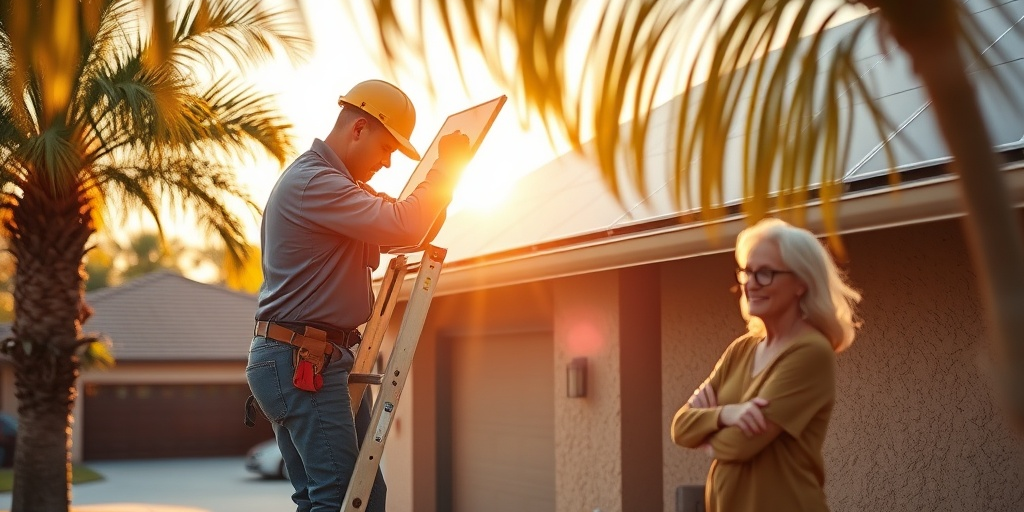
Imagine waking up in the heart of sunny Florida, knowing that the very source of energy that powers your home comes from your own roof. With solar energy becoming more accessible and cost-effective, many Florida homeowners are contemplating making the switch in 2025. Yet, a critical aspect of this decision often puzzles potential solar buyers: the lifespan of solar panels. Welcome to the Beginner’s Guide to Understanding Solar Panel Lifespan, where we’ll unravel the complexities surrounding this important topic to maximize your investment and demonstrate how longevity impacts your energy savings! Did you know that most solar panels come with warranties lasting between 25 to 30 years (Energy.gov)? This means, with proper maintenance, they can outlast many other home appliances. Furthermore, innovations in solar technology indicate that panel efficiency and durability are only improving, making now the perfect time to invest in solar power. As energy costs continue to rise and new incentives are introduced, understanding how long your solar panels will last and their potential return on investment is crucial in 2025. In this article, we will explore five key sections: the mechanics behind solar panel lifespan, actionable steps to ensure longevity, common myths surrounding solar technology, best practices for installation, and your actionable plan toward going solar.
The Science Behind Solar Panel Lifespan
Understanding the lifespan of solar panels requires diving into the technology behind them. Most solar panels produced today use crystalline silicon, typically offering a lifespan of 25 to 30 years. However, this does not solely dictate their effectiveness. A resident of Miami, Florida, Maria transformed her home by opting for solar panels three years ago. Initially skeptical of their longevity, she soon discovered that her panels maintained 90% efficiency even after 25 years — a testament to the advancements in solar technology. Let’s break down the fundamental elements determining the lifespan of your solar panels.
- Panel Quality: Not all solar panels are created equal. Manufacturers use different materials and technologies, which can directly affect durability and efficiency. High-quality panels generally last longer.
- Climate Conditions: In Florida, where temperatures can soar and storms are not uncommon, the durability of solar panels can face challenges. It’s crucial to choose panels rated for high wind resistance and temperature fluctuations.
- Installation: Proper installation makes a world of difference. An improperly installed panel can face undue stress, leading to a shorter lifespan.
- Maintenance: Regular cleaning and maintenance can significantly enhance panel efficiency and lifespan. While panels are designed to be low-maintenance, environment factors (like dust and debris) can affect performance.
- Technological Advances: Solar technology is advancing rapidly. Newer panels may offer better energy production and longevity. Continuous research and development are leading to innovations that promise to increase efficiency and lifespan.
According to NREL.gov, the expected lifetime production of energy from well-maintained solar panels can be substantially more than initially planned, leading to greater savings on energy bills. As you can see, when considering the lifespan of solar panels, these factors play a crucial role in not only determining longevity but also influencing the overall savings on your investment.
5 Steps to Ensure Your Solar Panels Last
Your investment in solar energy is significant, and ensuring that your solar panels have a long lifespan is essential. By abiding by a few simple guidelines, you can maximize the effectiveness of your system:
- Step 1: Choose Quality Equipment: When selecting solar panels, opt for reputable brands that provide warranties and performance guarantees. Research manufacturers and select those with positive reviews and proven track records.
- Step 2: Invest in Professional Installation: Proper installation by certified professionals ensures that your system is securely and effectively set up. This step cannot be overstated; avoid DIY installations or unqualified contractors.
- Step 3: Regular Inspections: Schedule periodic inspections to check for any potential damage or inefficiencies. Being proactive can help identify issues early, allowing for prompt repairs before they escalate.
- Step 4: Clean Your Panels: Keep your panels clean and free from debris. Dust, dirt, and grime can hinder energy production. Consider hiring professionals to clean your panels or follow manufacturer guidelines on how to clean them safely.
- Step 5: Monitor Performance: Utilize monitoring systems to track the energy output of your solar panels. This transparency can help you quickly spot performance drops and address them effectively.
By taking these actionable steps, you are setting your solar panels up for success and ensuring their longevity in Florida’s unique climate. Remember, investing in your solar energy system is an investment in both your home and the environment. Don’t forget to consult with professionals at floridaelectricandsolar.com for personalized recommendations!
Myths About Solar Panel Lifespan: Debunked
With the influx of information regarding solar energy, several myths have proliferated, causing confusion among potential buyers. Let’s set the record straight by debunking these common misconceptions:
- Myth #1: Solar Panels Stop Working After 25 Years: While many manufacturers provide warranties for 25 years, that doesn’t mean the panels will stop working. They may simply maintain lower efficiency levels after that period, typically around 80%.
- Myth #2: All Solar Panels Are The Same: This is untrue. The efficiency, durability, and overall quality can vary from one manufacturer to another. It’s important to conduct thorough research before purchasing.
- Myth #3: Maintenance Isn’t Necessary: Some believe that solar panels are maintenance-free after installation. While they’re designed to be low-maintenance, occasional cleaning and inspections enhance longevity.
- Myth #4: Installation Costs Are Too High: With the increasing availability of incentives like the Federal Investment Tax Credit (ITC), upfront installation costs can be significantly lowered, making solar energy more accessible.
- Myth #5: All Solar Panels Are Ineffective in Cloudy Weather: Although sunlight intensity does affect energy production, modern solar panels can still produce electricity even in less-than-ideal conditions — Florida’s opportunity for solar energy remains strong!
It’s vital to separate fact from fiction as you navigate your solar journey. Take the time to consult credible resources and talk to experts to gain an accurate understanding of what to expect from your solar panels.
5 Expert Solar Installation Tips for 2025
Diving deeper into considerations for solar panel installation — attention to detail ensures you capture all potential benefits of your new system. Here’s what our experts recommend:
- Choose the Right Location: The placement of solar panels is crucial. They should be positioned to receive maximum sun exposure throughout the day, avoiding shade from trees or adjacent buildings.
- Invest in Quality Inverters: Different types of inverters impact performance consistency. Choose inverters with good efficiency ratings and warranty coverage to ensure a reliable power supply.
- Understand Your Energy Needs: Before installation, evaluate your energy usage patterns. This information will help you select a system robust enough to meet your needs.
- Check Local Regulations: Be well-informed regarding installation permits and zoning regulations specific to Florida. Being prepared will streamline your installation process.
- Engage with Qualified Professionals: Ensure that you’re working with licensed and experienced solar installers who can guide you through every step of the process.
Following these installation tips will help ensure your system is set up for optimal performance and longevity. Always remember, investing in solar energy is not just a purchase — it’s a commitment to a sustainable future.
Next Steps for Florida Solar Buyers in 2025
After diving into the lifespan of solar panels and understanding what you can do to ensure yours lasts, the next step is creating a practical action plan:
- Step 1: Audit Your Electric Bill: Start by analyzing your energy consumption and determine how solar can offset those costs. Understanding your usage is crucial when sizing your solar system.
- Step 2: Research Financing Options: Look into tax credits and financing options available for solar installations in Florida. Explore all avenues to keep your costs manageable.
- Step 3: Consult with Solar Experts: Engage with professionals who can assist you in finding the best equipment and installation service suited for your needs.
- Step 4: Gather Quotes: Solicit estimates from multiple contractors to compare costs, warranties, and system designs. Ensure you’re comparing apples to apples in terms of quality.
- Step 5: Make Your Move! Once everything checks out and you’re satisfied, proceed with your chosen installer. Take this positive step towards energy independence.
By following this roadmap, you’ll reduce friction on your path to solar energy. Remember, the Florida sun is your ally, and your solar panels can offer you energy savings for decades.
In conclusion, as we’ve explored in this Beginner’s Guide to Understanding Solar Panel Lifespan, comprehending the durability and efficiency of solar technology is essential for any homeowner considering the solar transition in Florida. By selecting quality equipment, ensuring proper installation and maintenance, debunking myths, observing best practices, and following our action plan, you can set your household up for decades of energy savings and sustainability. Given the trend of rising energy costs and the shift towards renewable energy sources, now has never been a better time to invest in solar. Families can secure financial savings, contribute to environmental efforts, and enjoy energy independence. Are you ready to start your solar journey in 2025? Connect with a certified expert at floridaelectricandsolar.com today!
Related Articles
More insights about Solar Panel

Florida Homeowners: Why Solar Panel Maintenance Is Essential

7 Essential Steps for Solar Panel Installation Success

Expert Insights: Key Factors Influencing Solar Panel Lifespan
Ready to Go Solar?
Have questions about solar energy? Our experts are here to help you make the switch to clean, renewable energy.