
Warning: Ignoring Solar Panel Installation Could Be Costly
Share:
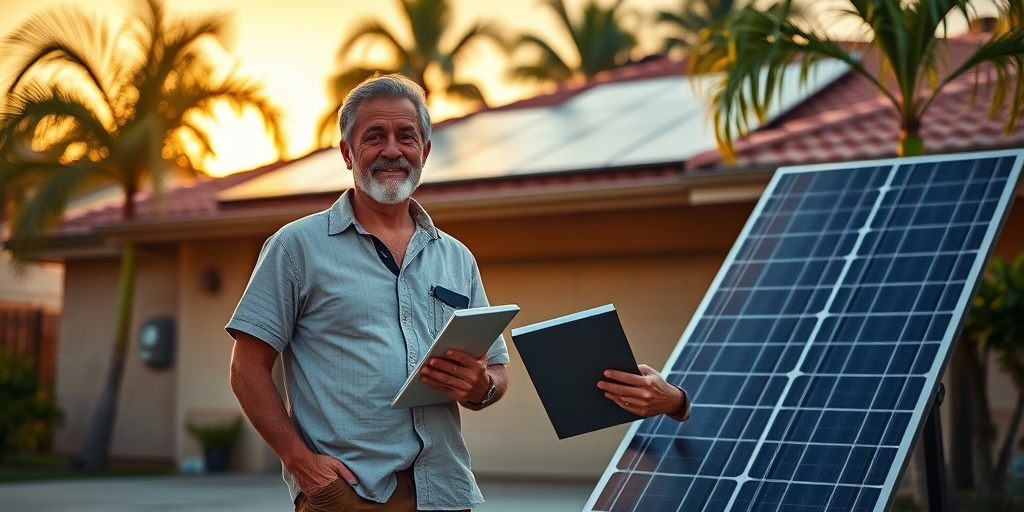
Imagine watching your utility bill skyrocket as the heat of the Florida sun bears down relentlessly on your home. Did you know that in 2022, Florida had an average residential electricity rate of around 15.04 cents per kilowatt-hour—higher than many other states? (Energy.gov) Now, picture becoming your own power producer, utilizing Florida’s abundant sunshine to generate clean energy. What if I told you that failing to act on solar panel installation might cost you thousands of dollars over the years? Welcome to the conversation about solar, encapsulated in the bold statement of this article: Warning: Ignoring Solar Panel Installation Could Be Costly.
With energy prices predicted to rise even further by 2025, now is the moment to explore the smart choices that lead to substantial savings on your utility bills. In fact, Florida’s solar capacity has expanded dramatically, with an increase of about 32% in residential installations just last year (SEIA.org). This article dives deep into the urgency of adopting solar solutions now rather than later.
In this post, we will cover five crucial aspects of solar panel installation:
1. An emotionally resonant case study that illustrates the dangers of inaction.
2. A comprehensive checklist to guide you through your solar journey.
3. Common myths about solar energy that you need to dispel.
4. An analysis of Florida-specific statistics revealing just how urgent going solar has become.
5. A technical deep-dive into the latest advancements and policies affecting your choices.
With this information at hand, you’ll feel empowered to make educated decisions and avoid common pitfalls in your solar journey. Let’s delve in!
Why Ignoring Solar Panel Installation Could Be Your Costliest Mistake
Meet Emily and Mark, a couple living in Jacksonville, Florida, who made the critical decision to postpone their solar installation plans. They thought they could save money by waiting, only to find themselves overwhelmed by rising energy costs. In the last year, their monthly utility bill crept up to nearly $300, a figure that left them both anxious and frustrated. When their neighbors installed solar panels and reported savings of more than $100 a month, Emily and Mark felt a deep sense of regret for their delay. Their decision serves as a stark reminder: ignoring solar panel installation can impose a significant financial burden in the long run.
This couple’s journey is just one instance of a far-reaching problem faced by many homeowners across Florida. Solar energy has rapidly advanced, with nearly 94% of Floridians satisfied with their solar systems (SolarReviews.com). The access to cutting-edge technology and attractive financing options is greater than it ever has been. Nevertheless, misconceptions and hesitancy still create a significant barrier for potential solar adopters.
- Risks of Delaying Solar Installation: Every month that passes without solar panels translates into lost savings on utility bills, which can add up to thousands over the years.
- Investment in the Future: As Florida embraces renewable energy, now is the time to position your home as environmentally friendly and financially savvy.
- Environmental Responsibility: Ignoring solar options also means contributing to the continued reliance on non-renewable resources, threatening future generations.
In 2025, the landscape for solar power is expected to look quite different as new state incentives and tax benefits come online. Homeowners face the reality of escalating energy costs and the instability of energy sources. According to reports, the average electric bill in Florida is expected to increase by more than 10% per year (SEIA.org). It’s a defining moment in our energy future.
So what can you do? Below, you’ll find valuable guidelines and strategies designed to persuade and guide you toward reducing energy costs through solar adoption.
Your Solar Installation Action Checklist
Step 1: Assess Your Current Energy Usage
Begin by analyzing your electric bills from the past year to gauge your energy consumption. A sophisticated energy audit can also help you identify inefficiencies in your home. Understanding your baseline usage will set the stage for determining potential savings.
Step 2: Explore Solar Providers
Conduct research to find reputable solar installers in your area. Always compare multiple quotes, read reviews, and ask for referrals from trusted neighbors. Quality should never be sacrificed for price—look for companies with proven track records.
Step 3: Customize Your Solar System
Engage with your chosen provider to design a solar system tailored to your needs. From deciding on panel types to battery storage options, custom configurations can maximize efficiency. Florida’s sunshine is abundant, but how you harness it matters.
Step 4: Understand Financing Options
With various options from cash purchases to solar loans and leasing arrangements, determine what works best for your financial situation. Many Floridians don’t realize that federal tax credits for solar installations can cover up to 30% of the total cost (Energy.gov). Explore the incentives available to protect your investment.
Step 5: Review the Installation Process
Engage with your installer throughout the process. Ask questions and get updates to feel secure about the methodology. In Florida, local building codes can impact installation, so rely on your contractor’s expertise to navigate that terrain effectively.
By following this checklist, you’ll ensure that you leverage every opportunity to maximize your solar investment and cut down your electric bills smartly. For more insights about solar technology, visit floridaelectricandsolar.com.
Common Myths About Going Solar: Debunked
Going solar often involves confronting a slew of misconceptions that can lead to hesitation among potential adopters. Here, we debunk several myths to clear the path toward your energy independence.
Myth #1: Solar Panels Don’t Work on Cloudy Days
Many believe solar panels are useless in cloudy or rainy weather, but that’s far from the truth. Solar technology has advanced to allow panels to capture light efficiently even in overcast conditions. In fact, your system can generate energy all year round!
Myth #2: Solar is Only for the Wealthy
This misconception stems from the initial cost of solar; however, there are financing options designed to make solar accessible to all. In fact, Florida offers various state and federal incentives to make your solar dreams more attainable. More than 181,000 homes were equipped with solar panels in Florida last year (SEIA.org).
Myth #3: Installing Solar Panels is Too Complicated
With trusted local installers offering comprehensive service, homeowners can expect a seamless transition from evaluation to installation. Solar companies today handle all the paperwork and permits on behalf of homeowners.
Myth #4: Solar Panels Damage Your Roof
When installed correctly, solar panels can actually protect your roof while allowing it to remain effective for years to come. A professional installer will ensure that your roof remains intact and is not compromised during installation.
Myth #5: The Technology is Still Unreliable
Solar panel technology has made significant strides over the past decade with robust systems that come with warranties for efficiency and performance. In fact, many installed systems come with performance guarantees lasting upwards of 25 years.
Debunking these myths helps create clarity and confidence in prospective solar buyers. Don’t let misinformation dictate your energy future.”
The Florida Solar Landscape: Shifting Towards Sustainability
As Florida homeowners continue to embrace solar energy, there is a growing Earth-friendly movement that exemplifies the state’s commitment to renewable energy. In the past two years, Florida has ranked number one in the nation for solar capacity growth, currently boasting over 9,000 megawatts installed (SolarReviews.com). This comprehensive effort correlates closely with recent legislative changes aimed at expanding access and encouraging the adoption of solar technology among average citizens.
Homeowners can expect substantial incentives, including the Solar Energy System Sales Tax Exemption, which eliminates state sales tax on solar equipment purchases. As such, homeowners can save an average of $3,500 when installing solar panels (DSIREUSA.org). With policies increasing the availability of renewable energy, the urgency to act has never been more pronounced.
The state’s energy independence benefits are profound:
- Cleaner Environment: Reduction of carbon emissions contributes to cleaner air and a healthier planet.
- Job Creation: The solar industry is thriving in Florida, creating thousands of jobs across installation, manufacturing, and support services.
- Energy Cost Stability: Homeowners shield themselves from price fluctuations associated with traditional energy providers. Solar energy provides a buffer against rising rates.
Floridians are at the forefront of adopting solar technology, paving the way toward sustainable energy solutions. The state’s bright future goes hand in hand with eco-friendly practices, ensuring prosperity not just for current generations but for years to come.
Next Steps for Florida Solar Buyers in 2025
Step 1: Audit Your Electric Bill
Review the last year’s utility bills to identify patterns in your energy usage. This audit will empower you with crucial data to understand how solar might fit into your lifestyle and save you money.
Step 2: Explore Local Financial Incentives
Delve into available tax credits and rebates from local and federal governments that can help reduce with upfront costs. This knowledge is vital for maximizing your investment.
Step 3: Choose the Right Time for Installation
Timing is crucial depending on permit availability and seasonal weather. Engage with your chosen installer to determine optimal timing for installation.
Step 4: Collaborate with Professionals
Partner with local experts who can design the most effective solar system for your home’s unique needs. Professional expertise will ensure that your installation runs smoothly from start to finish.
Step 5: Monitor and Maintain Your Solar System
After installation, continue to monitor system performance through available apps. Regular maintenance checks will keep your solar panels functioning optimally throughout their lifespan.
By following these actionable steps, you’ll eliminate barriers to solar adoption and put yourself on the trajectory toward energy independence. For detailed guidance and more information, visit floridaelectricandsolar.com.
As we wrap up this comprehensive exploration of Florida’s solar landscape, remember Emily and Mark’s situation as a lesson about the importance of timely action. The cost of inaction is steep, and the solution is at your fingertips. Whether it be financial savings, reduced environmental impact, or peace of mind—the reasons for going solar in 2025 are compelling and urgent.
Don’t delay the opportunity to transform your energy landscape. Every day that passes without solar options means lost savings and an irreversible dependence on traditional energy sources.
Ready to start your solar journey in 2025? Connect with a certified expert at floridaelectricandsolar.com today.
Related Articles
More insights about Solar Panel

Florida Homeowners: Why Solar Panel Maintenance Is Essential

7 Essential Steps for Solar Panel Installation Success

Expert Insights: Key Factors Influencing Solar Panel Lifespan
Ready to Go Solar?
Have questions about solar energy? Our experts are here to help you make the switch to clean, renewable energy.