
What Florida Residents Should Know About Solar Panel Lifespan
Share:
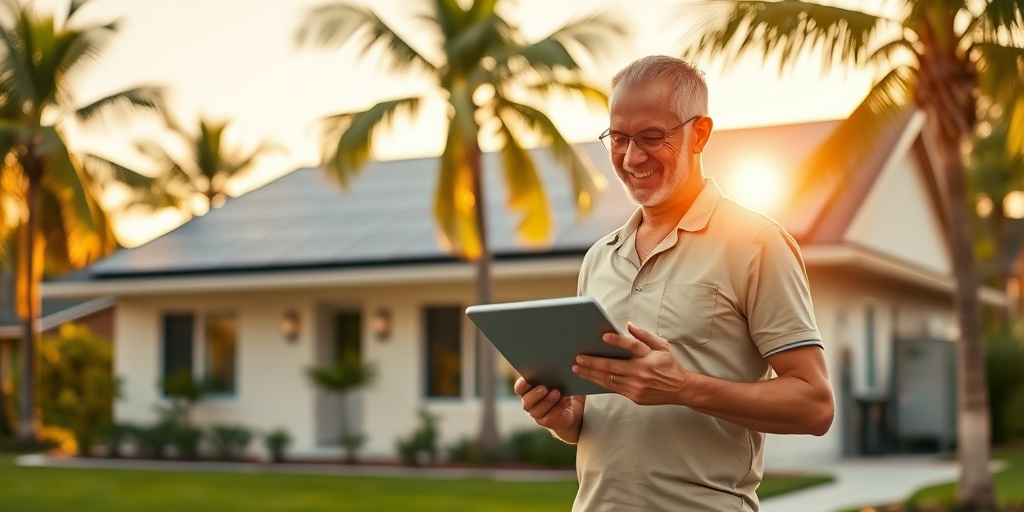
As a Florida homeowner, you may be curious about solar panel lifespan, wondering if it’s time to make the switch to solar energy. With recent technological advancements, the longevity of solar panels is more promising than ever. In fact, many modern solar panels can last for 25 years or more, with some manufacturers offering warranties that span two decades or longer (SEIA.org). Yet, understanding the true lifespan of solar panels is crucial for making an informed decision about your energy future. The title of this blog post—What Florida Residents Should Know About Solar Panel Lifespan—will guide you through essential considerations that can help you maximize longevity and efficiency.
In 2025, going solar is not just an environmentally responsible choice but also a financially savvy one, considering rising energy costs and new solar incentives designed to promote renewable energy. Recent reports indicate that Florida has become one of the leading states for solar installation, with over 59,000 jobs in the solar sector (SolarReviews.com). But how do these statistics impact the equipment you’ll be using? Understanding the lifespan of your solar investment is fundamental in a state that boasts abundant sunshine and a growing solar market.
This article will delve into understanding solar panel longevity by exploring the following five sections:
- The true lifespan of solar panels and factors affecting it
- Essential checklist for maintaining your solar array
- Common myths centered around solar panel lifespan
- Specific insights for Florida homeowners and their solar projects
- Technical aspects of solar technology influencing lifespan
By the end of this guide, you’ll have a comprehensive understanding of solar panel lifespan in Florida and how to make the most out of your investment in solar energy.
Understanding Solar Panel Lifespan: What Florida Residents Need to Know
When contemplating switching to solar energy, you might wonder how long your solar panels will last. For Florida residents, this question is crucial as it directly impacts your long-term savings and energy independence. Let’s uncover the lifespan of solar panels with a relatable case study, a helpful checklist, a myth-busting segment, a local focus on Florida-specific data, and an insightful technical deep-dive.
Imagine you’re the owner of a charming beachside home in Sarasota, Florida. Like many homeowners, you’re aware of the environment and your electric bill but are unsure whether the upfront cost of solar panels can be justified by their lifespan. You decide to dig deeper. After your research, you discover that typical solar panels have a lifespan of 25–30 years, depending on the manufacturer and the quality of the installation (SEIA.org). This news is promising; however, it raises more questions. How can you ensure your solar panels achieve their longest lifespan?
Essential Checklist for Solar Panel Lifespan
To maximize solar panel lifespan and ensure maximum efficiency, adhere to this actionable checklist. Taking proactive steps can help keep your system running smoothly for decades.
- Step 1: Choose Quality Panels. Investing in high-quality solar panels from reputable manufacturers is essential. Look for panels with performance warranties of 25 years or more.
- Step 2: Schedule Regular Maintenance. Routine maintenance, such as cleaning and examining connections, can reveal performance issues before they impact efficiency.
- Step 3: Monitor Performance. Using monitoring systems helps track how well your panels generate power. A significant drop in output can indicate the need for inspection.
- Step 4: Understand Environmental Factors. Florida’s climate can be both a boon and a challenge. Being aware of extreme weather events and their impact on your system could help in preventive measures.
- Step 5: Engage with Local Experts. Consulting with local solar professionals ensures your system is optimized for Florida’s conditions, providing peace of mind.
Implementing these steps boosts your chances of a longer-lasting array, and for additional comprehensive resources, check out floridaelectricandsolar.com.
Myth-Busting: Common Misconceptions about Solar Panel Lifespan
Despite a wealth of knowledge about solar panels, several persistent myths cloud understanding.
- Myth #1: All Solar Panels Last the Same Length of Time. Many homeowners assume that all solar panels are created equal. In reality, different manufacturers use different materials and technologies that result in varying lifespans.
- Myth #2: Solar Panels Are Too Fragile. A common belief is that solar panels are easily damaged. On the contrary, most panels are designed to endure extreme weather, including hail and heavy winds, typical for Florida.
- Myth #3: Solar Panel Efficiency Declines Rapidly. While it’s true that solar panels gradually lose efficiency over time, this decline is typically minimal—averaging around 0.5% to 1% per year after the first year (Energy.gov).
- Myth #4: You Can’t Replace Individual Panels. Users think that if one panel performs poorly, the entire system must be changed. In reality, individual panels can be replaced without the need to remove the entire array.
- Myth #5: Solar Technology Won’t Improve. Many are reluctant to invest in solar equipment believing they’ll soon be obsolete. However, technology improves constantly, making solar systems more efficient and longer-lasting.
Debunking these myths helps consumers make more informed decisions when considering a solar investment tailored to Florida’s unique climate challenges and opportunities.
Local Focus: Solar Insights for Florida Homeowners
As a Florida resident, specific local factors impact solar panel lifespan more than the national average. Understanding these factors ensures you’re making an informed decision about your solar energy investment.
The Sunshine State truly lives up to its name, enjoying an average of 237 sunny days per year. This climate creates a tremendous opportunity for solar energy capture. However, it’s also essential to recognize the heat exposure that solar panels experience. In fact, studies show that high temperatures can reduce the efficiency of solar panels (NREL.gov). Knowing how heat affects your investment informs how to effectively manage your solar system.
Additionally, Florida’s susceptibility to tropical storms and hurricanes can put added stress on solar arrays. It’s crucial to consider roof mounting options to ensure stability and longevity. Systems integrated with hurricane tie-downs (a common requirement for insurance) protect the array against severe weather conditions. By being aware of such Florida-specific considerations, homeowners can enhance their energy investments.
In summary, Florida’s unique environment necessitates specialized knowledge to maintain optimal solar panel lifespan and efficiency. Engaging with local professionals can deepen your understanding of these local nuances.
Understanding How Solar Technology Influences Lifespan
Understanding the technology behind solar energy systems is vital for knowing what affects the lifespan of solar panels. Focusing on critical components allows homeowners to appreciate how their entire system works together to optimize performance.
Solar cells convert sunlight into electricity via photovoltaic (PV) technology. Silicon is the primary material used in most solar cells found in solar panels today. These cells are grouped into modules, which cover the glass front and often utilize aluminum framing for resilience. However, not all PV materials perform the same under stress. Knowing the differences between monocrystalline, polycrystalline, and thin-film technologies can influence your purchasing choice. For example, monocrystalline panels generally outperform others in efficiency and lifetimes, lasting up to 30 years under optimal conditions.
Let’s consider an in-depth look at how each of these technologies functions and how they each perform within Florida’s climate:
- Monocrystalline Panels: Known for their high efficiency, these panels perform well even in low-light conditions. They typically last the longest among solar panel types.
- Polycrystalline Panels: While often less expensive, they may be slightly less efficient. However, they still boast a respectable lifespan, making them popular among budget-conscious homeowners.
- Thin-Film Panels: Offering flexibility and lightweight design, these can be advantageous in certain situations, but they are typically less efficient and may have shorter lifespans than crystalline panels.
Understanding these technologies helps guide decisions when investing in a solar power system. After all, choosing the right type of solar panel can significantly impact how long your system serves you and how much energy it generates.
Next Steps for Florida Solar Buyers in 2025
If you’re ready to transition to solar in Florida, you’ll want to follow these critical next steps:
- Step 1: Audit Your Electric Bill. Start by reviewing your current energy costs, which will help determine the size and type of solar system that best meets your needs.
- Step 2: Research Local Incentives. Many states, including Florida, offer solar tax credits and rebates for homeowners. Be sure to explore all available options to maximize your investment.
- Step 3: Evaluate Installation Options. Look for contractors with experience and strong local reputations. Reading reviews and ratings will guide you to trustworthy solar installation services.
- Step 4: Design a Solar Array. Understand how much roof space you have, which direction it faces, and how much sun exposure it receives. An expert will help design a customized plan for you.
- Step 5: Join Community Solar Programs. If investing in a personal solar array isn’t feasible, exploring community solar programs can provide access to solar energy without the ownership responsibilities.
Each of these steps contributes to building a solid foundation for your solar journey, which will ultimately lead to energy security. For more information on how to start, visit floridaelectricandsolar.com.
In conclusion, understanding solar panel lifespan is crucial for Florida homeowners eyeing the switch to solar. By considering the insights provided here—tailored for the state’s unique climate, addressing myths, focusing on proper maintenance, and comprehending the technology—you’ll be well on your way to maximizing your solar investment. The journey of embracing solar energy can enable profound savings and an environmentally conscious lifestyle. As 2025 approaches, taking action matters exponentially more. Enhancing your home’s energy stability and reducing your carbon footprint is no longer just a dream; it’s an achievable reality.
Ready to start your solar journey in 2025? Connect with a certified expert at floridaelectricandsolar.com today.
Related Articles
More insights about Solar Panel

Florida Homeowners: Why Solar Panel Maintenance Is Essential

7 Essential Steps for Solar Panel Installation Success

Expert Insights: Key Factors Influencing Solar Panel Lifespan
Ready to Go Solar?
Have questions about solar energy? Our experts are here to help you make the switch to clean, renewable energy.