
Myth: Solar Panel Installation Is Only for Large Properties
Share:
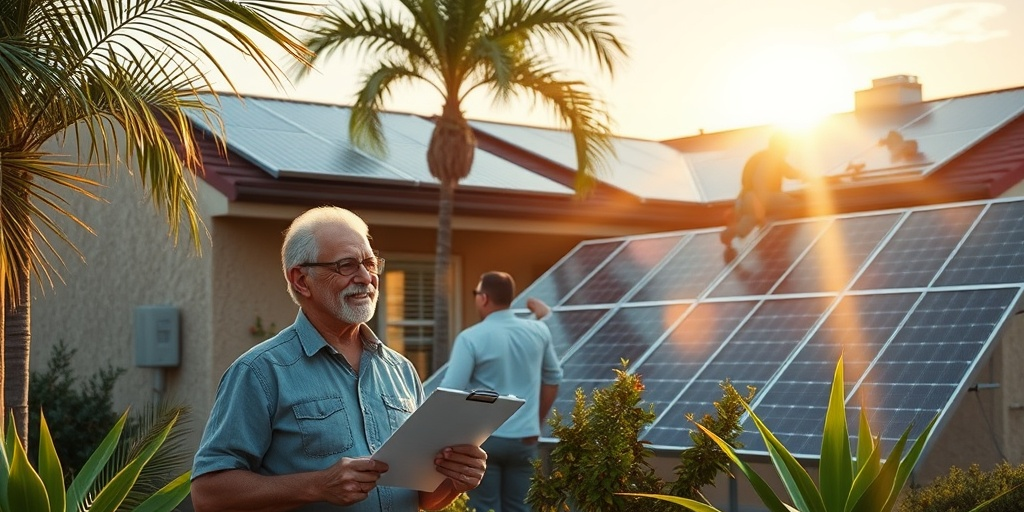
Did you know that over 1.7 million homes in the U.S. have turned to solar energy, contributing to a staggering 200% growth in solar energy installations over the past decade? However, despite this significant leap, a persistent myth looms large in the minds of many individuals: solar panel installation is only for large properties. This misconception tragically holds back Florida homeowners from the opportunity to significantly cut their electric bills and embrace cleaner energy. Today, we aim to debunk this myth and demonstrate how solar energy can be an accessible and affordable option for every property, regardless of size.
As we approach 2025, the urgency surrounding this topic grows stronger. With solar incentives becoming more favorable and energy costs soaring, now is the time to explore how solar power can benefit homes across Florida. In fact, installing solar panels in smaller residences can lead to tangible savings and a lower carbon footprint (Energy.gov). In this blog post, we’ll provide an enlightening analysis of common misconceptions about solar panel affordability, backed by real-life examples, actionable checklists, and insights specific to Florida’s market.
Here’s what you can expect from our deep dive:
- A Case Study: We’ll follow the journey of a Floridian homeowner who transformed their small property’s energy profile with solar panels.
- A Checklist: Five actionable steps for any Florida homeowner interested in solar installation.
- Myth-Busting: Key myth debunking regarding solar panels and their accessibility.
- Local Focus: Unique considerations and statistics relevant to Florida homeowners regarding solar energy.
- A Technical Deep-Dive: A closer look at the technology behind solar installations and the mechanisms of energy billing.
Unpacking the Myth: Solar Panel Installation is Only for Large Properties
Let’s get to the heart of the matter with a captivating story of a Florida couple, Jake and Maria, who live in a modest home in Orlando. Both are actively looking to minimize their utility costs and reduce their reliance on fossil fuels. Initially, they thought that solar panels were only viable for larger homes, but their perspective would soon shift dramatically.
After doing some research, Jake discovered that solar energy could be harnessed effectively on their smaller roof. On average, a typical solar panel system might cost around $10,000 to $30,000 before tax credits and incentives. However, thanks to various state incentives, including the Federal Investment Tax Credit, they realized that they could cover a significant portion of their installation costs (SEIA.org). With this newfound information, the couple decided to assess their home’s solar potential by consulting with local solar experts and conducting a site analysis—important first steps for any homeowner.
What You Need to Know: Actionable Steps for Going Solar
Implementing solar technology in your home is a structured process. Here’s a checklist to guide you:
- Step 1: Evaluate Your Energy Needs – Look at your recent electric bills to determine your average consumption. This data helps identify the size of the system that works best for your needs.
- Step 2: Assess Your Property – Evaluate your rooftop’s integrity and sun exposure. A professional solar installer can provide a personalized proposal after an on-site visit.
- Step 3: Explore Financing Options – Look into various financing arrangements available for solar installations, including loans, leases, and PPAs (Power Purchase Agreements) that make solar energy accessible to all types of budgets.
- Step 4: Consult Local Experts – Engaging a reliable contractor specializing in residential solar systems can provide insights tailored to your unique situation.
- Step 5: Monitor and Maintain Your System – Once installed, routine inspections and monitoring are vital. Keeping your solar panels in optimal condition ensures long-term savings and efficiency.
If you’re interested in learning more about the preliminary steps necessary for solar energy, consider consulting with knowledgeable professionals at floridaelectricandsolar.com.
Myths About Solar Energy Accessibility
Here are some of the most common myths surrounding solar panel installation and their realities:
- Myth #1: Solar Panels Are Too Expensive for Everyone – Many people think that solar panels are beyond reach financially. However, with various federal and state incentives, most homeowners can recoup their investment within 5-10 years (SolarReviews.com).
- Myth #2: Only Homes with Large Roofs Can Go Solar – Smaller properties can easily generate enough energy to offset their usage due to advanced technology, making smaller arrays effective.
- Myth #3: Solar Energy is Ineffective in Cloudy States – Florida’s sunny disposition lends itself to the most solar output, even with occasional cloud coverage. In fact, the Sunshine State ranks number one in solar capacity potential (SEIA.org).
- Myth #4: Solar Panels Don’t Work During Hurricane Season – Florida has specific installation protocols that help panels withstand extreme weather conditions, ensuring that they remain operational and reliable.
- Myth #5: Once Installed, Solar Panels Require Constant Repairs – Modern solar panel systems require minimal maintenance, with many manufacturers offering warranties that last for 25 years or more.
With the right approach, Florida homeowners can debunk these myths and realize solar panel installation can, indeed, fit any property size.
Local Insights: The Sunshine State’s Solar Market
Florida is not just known for its white sandy beaches; it is also recognized for its burgeoning solar market. In fact, Florida has consistently ranked in the top three states for solar installations, with over 33,000 jobs in the solar sector as of 2022 (Florida Solar Energy Center). Importantly, smaller residential properties make a significant contribution to this growth.
When considering solar, it’s crucial to understand how local regulations, incentives, and rebates operate. In Florida, homeowners can benefit from the 26% federal tax credit off the total cost of their solar system (DSIREUSA.org). Additionally, many utilities offer rebates that can help offset costs, including credits for net metering, where excess energy produced flows back to the grid for additional savings.
Furthermore, many local governments are embracing solar energy, creating streamlined processes for permitting and inspection. This dynamic leads to a vibrant solar economy, compelling homeowners like Jake and Maria to transition to cleaner energy sources, enjoying the benefits of lower energy bills and a positive impact on the environment.
Technical Deep-Dive: Understanding Your Solar System
Investing in solar energy involves understanding the components of your solar system and how they integrate to function efficiently. Here’s a brief overview:
- Solar Panels: These are the heart of any solar system, converting sunlight into electricity.
- Inverters: These devices convert the direct current (DC) produced by solar panels into alternating current (AC) for use in your home.
- Batteries: Storing energy for later use can significantly enhance the utility of a solar system, especially during peak demand hours or outages.
- Monitoring Systems: Keeping tabs on your solar production can maximize savings and identify issues systematically.
Understanding these components will allow you to make informed decisions and run your solar system effectively, thereby enhancing your energy independence and maximizing overall savings.
Next Steps for Florida Solar Buyers in 2025
As we wrap up our exploration of solar energy’s potential for Florida homeowners in 2025, it’s essential to take actionable steps towards enhancing your energy profile. Here’s a practical checklist to guide your journey:
- Step 1: Audit Your Electric Bill – Identify your monthly usage to determine the optimal size for your solar panel system.
- Step 2: Research State and Local Incentives – Understanding the various financial incentives available can make solar even more attractive.
- Step 3: Choose the Right Installation Partner – Partner with experienced installation companies renowned for their quality service and support.
- Step 4: Schedule an Installation – Set a timeline that works for you, your energy needs, and your budget.
- Step 5: Enjoy the Benefits – Once installed, savor the reduced electric bills, lower carbon footprint, and embrace the future.
This checklist should facilitate your transition into the world of solar energy. For additional resources, feel free to explore floridaelectricandsolar.com for expert guidance.
Conclusion: Embrace the Solar Opportunity in Florida
In conclusion, the myth that solar panel installation is only for large properties should be retired, especially for eager Florida homeowners in 2025. By understanding the financial benefits, leveraging this state’s forward-thinking innovations, and following actionable steps, any property—regardless of size—can transform its energy model. Like Jake and Maria’s journey, it’s a story of realization, empowerment, and bright financial savings.
This isn’t just about saving money; it’s about embracing a sustainable future for your family and community. The transition to solar power is not just prudent; it is an essential step towards energy independence and environmental stewardship. Don’t let myths deter you from this rewarding investment.
Ready to start your solar journey in 2025? Connect with a certified expert at floridaelectricandsolar.com today.
Related Articles
More insights about Solar Panel

Florida Homeowners: Why Solar Panel Maintenance Is Essential

7 Essential Steps for Solar Panel Installation Success

Expert Insights: Key Factors Influencing Solar Panel Lifespan
Ready to Go Solar?
Have questions about solar energy? Our experts are here to help you make the switch to clean, renewable energy.