
Beginner’s Guide to Understanding Solar Panel Installation Timelines
Share:
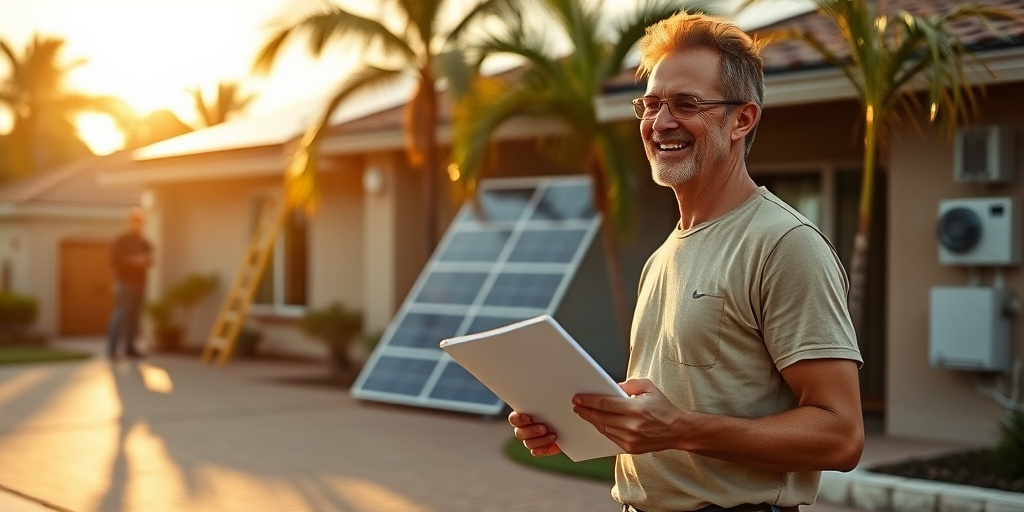
As the sun rises over Florida’s beautiful coastlines, so too does an undeniable shift towards renewable energy, specifically solar power. Did you know that over 2.3 million solar systems have been installed across the United States in recent years, and Florida ranks among the top five states for solar installations? With the current advancements and incentive programs, 2025 is the year for homeowners and businesses alike to rethink how they consume energy. This leads us to our topic today: the Beginner’s Guide to Understanding Solar Panel Installation Timelines. As energy costs continue to rise and awareness of climate change grows, understanding the timeline for solar panel installation is paramount for anyone interested in making this shift. By planning effectively, you can ensure that your transition to solar power is smooth and efficient.
In this guide, we will delve into various aspects of solar panel installation timelines, including:
- Case Study: A homeowner’s solar journey
- Checklist: Essential steps to prepare for installation
- Myth-Buster: Debunking common misconceptions about solar energy
- Local Focus: Florida-specific insights and data
- Technical Deep-Dive: Understanding the technology behind solar systems
As you read through, keep in mind that making the switch to solar power in 2025 is not just a matter of electricity bills; it’s about investing in a sustainable future for you and your loved ones.
Transforming Energy: A Florida Homeowner’s Solar Journey
Meet Ryan and Sarah, a young couple living in Orlando, Florida. Facing increasing energy costs—averaging around $250 monthly—they were contemplating their options for energy efficiency. After researching various alternatives, they were drawn to solar power, which promised not just lower bills but also a cleaner planet. The journey began with a few essential steps, each involving timelines that shaped their decision-making process.
Their first step was to contact Florida Electric & Solar for a consultation. Within a few days, a solar expert conducted an assessment of their property and explained how many solar panels would be necessary to meet their needs. They learned that, depending on their roof’s orientation and shading, it would take around 3 to 6 months for the entire installation process—from initial consultations to final activation of the system.
After signing the contract, they were informed about the next steps and what to expect throughout the timeline. The timeline can vary based on numerous factors:
- Permitting and Design: This phase generally takes around 4 to 8 weeks, depending on local regulations and the efficiency of your solar company.
- Equipment Ordering: Your contractors may need an additional 2 to 4 weeks to secure all necessary equipment for installation.
- Installation: On-site installation typically lasts 1 to 3 days for an average residential system.
- Inspection: After installation, an inspection by local authorities is often required, taking another 1 to 3 weeks.
- Activation: Once everything is approved, you can start using your solar energy! This final step generally takes less than a week.
Overall, Ryan and Sarah’s total timeline took about 4 months from consultation to activation. They not only felt empowered by their choices but also excited about future savings. According to recent data, the average Florida solar system can reduce electricity bills by up to 90%, providing an attractive return on investment (California Solar Initiative). Understanding this timeline helped Ryan and Sarah manage expectations and fully appreciate the incredible journey toward their sustainable solar future.
As you visualize your path to solar energy, keep in mind that preparation undoubtedly paves the way for successful outcomes. Let’s move on to practical steps you can take to prepare for your solar panel installation.
Actionable Steps to Prepare for Your Solar Installation
Preparation is key when embarking on the solar journey. Completing the following checklist will help ensure a smooth installation process. Here’s how you can get started:
- Step 1: Audit Your Energy Use
Understanding how much energy you consume monthly can inform the size of your solar system. Track your electric bills over the past year to establish an accurate baseline. - Step 2: Research and Choose Your Installer
Look for reputable solar installers in Florida. Read customer reviews, verify credentials, and request a comprehensive quote for clarity. - Step 3: Schedule a Site Assessment
Have your chosen installer assess your property for optimal panel placement, shading issues, and roof condition. This assessment is critical for accurate quotes and timelines. - Step 4: Understand Local Incentives
Florida homeowners can take advantage of federal tax credits, state rebates, and financing options that can significantly reduce the upfront costs of solar. - Step 5: Prepare for Installation Day
Clearing your roof of debris and ensuring that the installation area is accessible can make a significant difference on the solar installation day.
By following these initial steps and being proactive, you can further facilitate the installation process. Remember, communication with your installer is vital for addressing any questions or concerns along the way. The clearer the lines of communication, the smoother the entire process will be.
Now that we’ve established a path for preparation, it’s essential to address the myths surrounding solar energy—knowledge that can help you make informed decisions as you move forward.
Debunking Common Myths About Solar Energy
Many misconceptions about solar energy can deter potential customers from investing in what is an incredibly sustainable solution. Let’s debunk some of the most common myths:
- Myth #1: Solar Energy is Too Expensive
While the initial investment can seem high, federal and state incentives, along with financing options, make solar more accessible. Over time, the savings on electric bills can significantly offset installation costs (SEIA.org). - Myth #2: Solar Panels Don’t Work on Cloudy Days
Florida’s sunny climate ensures that solar panels work efficiently even during overcast conditions. They capture ambient sunlight effectively, making them an excellent energy source regardless of the weather. - Myth #3: Solar Systems Require Constant Maintenance
Solar panels require minimal maintenance. A thorough cleaning twice a year and an annual inspection is typically sufficient to keep your system operating at peak performance. - Myth #4: Solar Energy Isn’t Reliable
With battery storage options and net metering, Florida homeowners can ensure access to energy even when the sun isn’t shining (NREL.gov). This reliability makes solar energy a viable and consistently available power source. - Myth #5: You Can’t Sell Your Home with Solar Panels
In fact, homes equipped with solar systems often sell faster and at higher prices. Many buyers actively seek out homes with solar installations, recognizing their value (SolarReviews.com).
Having the facts at your disposal allows you to engage in meaningful discussions about solar energy and feel confident in your decisions. Let’s pivot our focus toward how Florida homeowners can maximize their solar potential through specific local insights.
Understanding Florida-Specific Solar Insights
In Florida, the landscape for solar energy is uniquely favorable. To maximize your solar investment, consider the following local insights:
- Incentive Programs: Florida homeowners can enjoy unique benefits under the state’s solar programs. For example, the Florida Solar Energy Incentive program provides financial support for developers and homeowners installing solar systems.
- Net Metering: The state boasts a net metering policy that allows customers to receive credits for excess energy produced. It means that any surplus energy you generate can contribute directly to your electricity bill, effectively reducing costs.
- Renewable Portfolio Standard: Florida has a commitment to renewable energy adoption, which ensures ongoing advancements in solar technology, infrastructure investments, and financial incentives for homeowners (DSIREUSA.org).
In understanding these specific advantages, Florida homeowners can benefit from enhanced savings and create a more sustainable home. Solar installations are thriving across the state, leading to cleaner neighborhoods and contributing to long-term climate goals. By leveraging Florida-specific policies, homeowners can effortlessly embrace the solar revolution.
With all this knowledge about the timeline, preparation steps, and local advantages, let’s conclude this guide with a clear action plan you can follow to achieve your solar goals.
Next Steps for Florida Solar Buyers in 2025
Initiating your solar journey can seem daunting, but taking it one step at a time makes it manageable. Follow this action plan to ensure a seamless transition:
- Step 1: Audit Your Electric Bill
Gather your electric bills from the past year to establish an average. This figure will guide you in determining the appropriate size of your solar system. - Step 2: Research Options
Consult with at least three different solar installers in your area. These consultations yield comparative quotes that will help you make an informed decision. - Step 3: Investigate Financing Options
Explore available financing options. Various loans, leases, and power purchase agreements (PPAs) can help manage the costs of your solar investment. - Step 4: Determine the Right Time
Weather patterns and seasonal conditions can impact installation timelines. Aim for the less humid months to ensure a smoother installation process. - Step 5: Prepare for Installation Day
As your installation date nears, ensure that your property is ready. Confirm that your roof is free of debris and ensure that the installation area remains easily accessible.
By taking these simple steps, you can embark on your solar journey with assurance and enthusiasm. Every step you take ensures that future energy bills will be significantly reduced, your family’s carbon footprint shrinks, and you’re actively engaging in a solution to climate change.
In conclusion, installing solar panels in Florida in 2025 is not only an attainable goal but also a wise investment in both your home and the environment. As you’ve learned in this guide, understanding timescales, dispelling myths, and utilizing local resources can transform your vision of solar energy into a reality.
Ready to start your solar journey in 2025? Connect with a certified expert at floridaelectricandsolar.com today.
Related Articles
More insights about Solar Panel

Florida Homeowners: Why Solar Panel Maintenance Is Essential

7 Essential Steps for Solar Panel Installation Success

Expert Insights: Key Factors Influencing Solar Panel Lifespan
Ready to Go Solar?
Have questions about solar energy? Our experts are here to help you make the switch to clean, renewable energy.