
Understanding Solar Panel Lifespan: What You Need to Know
Share:
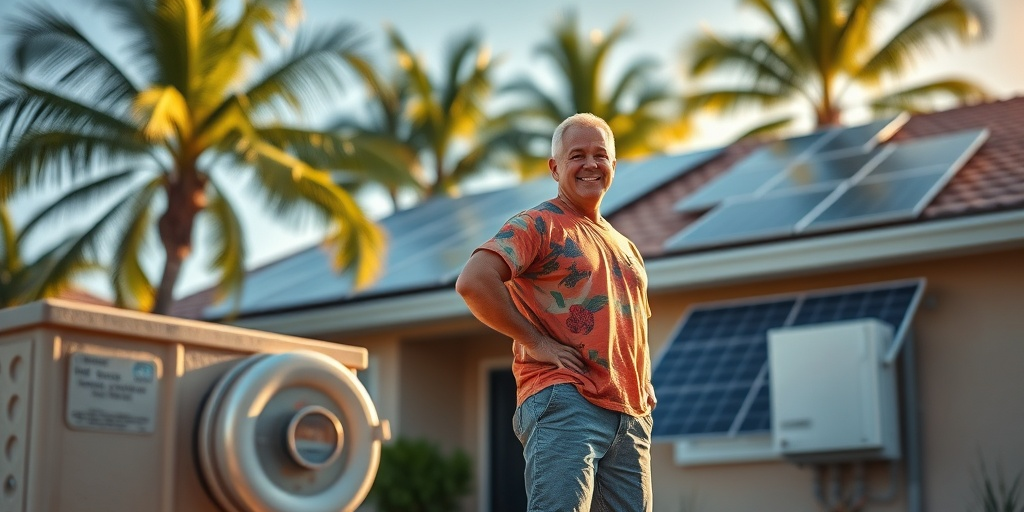
Understanding Solar Panel Lifespan: What You Need to Know. Did you know that the average lifespan of a solar panel is approximately 25 to 30 years? This staggering statistic hints at the impressive durability of solar technology. Yet, many Florida homeowners remain skeptical about investing in solar energy due to common misconceptions and concerns about long-term value. A recent Solar Energy Industries Association (SEIA) study revealed that nearly 80% of Americans are considering solar in 2025 because of rising energy costs, potential savings, and new incentives. However, how long do these investments really last, and how do various factors influence that lifespan?
In 2025, with Florida’s energy market projected to expand significantly, understanding the longevity of solar panels is crucial. In a state prone to hurricanes and changing weather patterns, the resilience and efficiency of these systems require careful consideration. This guide offers a deep dive into the lifespan of solar panels, ensuring you make an informed decision for your home.
In this article, we will cover five essential sections:
1. The technical aspects and longevity factors of solar panels, including a case study.
2. An actionable checklist to evaluate your solar options.
3. Common myths surrounding solar panel lifespan and debunking them.
4. The impact of Florida-specific laws and regulations on longevity.
5. An in-depth analysis of the latest technologies and best practices to maximize your investment.
Stay with us as we unravel the complexities of solar panel lifespan, providing you with the knowledge necessary to embark on your solar journey confidently.
The Technical Aspects of Solar Panel Lifespan
When we think of solar panels, durability and lifespan are key factors that come to mind. So, how long can you realistically expect your solar system to last? The answer often lies in understanding the technology itself, environmental factors, and installation quality. In Florida, where sunlight is abundant yet weather can be intense, manufacturers design panels with durability in mind.
To illustrate this, let’s consider the adoption journey of Sarah and Mike, homeowners from Orlando. After much research, they finally decided to install a solar panel system in 2023, aiming to reduce their electricity bills and impact on the environment. After installation, they diligently monitored their energy output and maintenance needs, leading to insights that could help others.
Step 1: **Choose the Right Type of Solar Panel**
Solar panels come in several types including monocrystalline, polycrystalline, and thin-film. Monocrystalline panels, for instance, tend to have the longest lifespan and efficiency ratings of around 20% or higher, making them a sound investment for long-term savings (SolarReviews.com).
Step 2: **Understand the Warranty**
Most solar panels come with a 25-year warranty. This often covers performance, meaning the panel will produce a certain percentage of its rated capacity—typically 80%—at the end of the warranty period. Trustworthy manufacturers should allow you to feel secure in your investment (SEIA.org).
Step 3: **Regular Maintenance**
Sarah and Mike hired professionals from Florida Electric & Solar to ensure their panels were installed properly. By regularly cleaning and maintaining their panels, they have maximized both efficiency and lifespan, ensuring they maintain peak performance over the years.
Step 4: **Consider Environmental Impacts**
The Florida climate is ideal for solar energy, but hurricanes and heavy rains can also pose a threat. High-quality panels rated for extreme weather conditions are crucial to ensuring a long life (Energy.gov).
Step 5: **Stay Informed About Upgrades**
The solar panel industry continuously evolves with advancements in technology. Sarah and Mike regularly check for updates and potential upgrades to ensure optimal efficiency.
Knowing these steps puts you on the right path to understanding the solar investment. Sarah and Mike’s panels have functioned excellently for over a year, suggesting longevity. However, along their journey, they encountered common myths that could lead to skepticism among other homeowners.
Myth-Busting Common Misconceptions about Solar Panel Lifespan
Many myths circulate regarding solar power and their lifespan. Debunking these misconceptions can ease the minds of potential investors, allowing them to confidently pursue solar solutions.
Myth #1: **Solar Panels are Only Effective in Sunny Climates**
While Florida certainly offers optimal conditions, solar panels can also perform efficiently in cloudy or rainy environments. Modern technology can harness energy even in suboptimal conditions, dispelling this myth.
Myth #2: **Solar Panels Can’t Withstand Hurricanes**
This is a significant concern in Florida, where hurricanes are a reality. However, numerous research studies have shown that high-quality solar panels are designed to withstand high winds and impacts (National Renewable Energy Laboratory).
Myth #3: **Solar Panels Require Excessive Maintenance**
While regular checks and cleaning are necessary, solar panel systems are notably low-maintenance. The only attention they typically require is an occasional cleaning and inspection after significant weather events.
Myth #4: **They Will Become Obsolete Quickly**
Solar technology is indeed advancing quickly, but current panels are designed to last for decades. As advancements lead to better efficiency, older panels can still generate significant savings.
Myth #5: **Once Installed, You’re Done!**
While installation is an important milestone, active management of your solar system is crucial. Homeowners like Sarah and Mike must regularly monitor performance and welcome possible upgrades as technology improves.
By understanding the truth behind these myths, Florida homeowners can make informed decisions regarding their energy solutions. And as the market expands, local policies will also affect solar investments.
Florida-Specific Solar Policies Affecting Lifespan
One crucial aspect for Florida homeowners is understanding how local policies influence the longevity of your solar investment. State laws, rebates, and incentive programs enrich the solar experience, promoting sustainability while benefiting homeowners financially.
Several factors play into how well your solar panels will perform in the long term:
- Net Metering: Florida allows net metering, meaning that any excess energy generated by your solar system can be sold back to the grid. This can significantly reduce your overall costs and encourage homeowners to invest in higher-quality panels.
- Renewable Energy Tax Exemptions: In Florida, homeowners have the advantage of tax exemptions specifically for solar systems, enhancing the return on investment (DSIREUSA.org).
- Permit Regulations: Understanding local permit requirements is essential for compliance, and using licensed installation professionals ensures adherence to regulations.
- Financial Incentives: Incentives change frequently. Staying informed about available rebates and grants can impact your decision to invest in solar technology that offers longer lifespans.
- Community Solar Options: For those unable or unwilling to install panels on their homes, Florida offers community solar programs. Engaging in these initiatives can help homeowners maximize their savings, even without direct installations.
With these policies in mind, Florida homeowners should factor them into their long-term plans when adopting solar energy. The combination of state support and innovative technologies plays a significant role in the sustainability and efficiency of solar investments made in Florida. New systems installed today, when managed efficiently, can lead to excellent energy savings for decades to come.
5 Expert Solar Installation Tips for 2025
Now that you are equipped with knowledge about longevity, let’s explore practical steps you can take in the coming years to secure your solar investment. Knowing the best practices surrounding solar installation can enhance both performance and lifespan.
Tip #1: Don’t Skimp on Panel Quality
Investing in high-quality solar panels may cost more upfront but pays off in the long run. Opting for panels known for their longevity ensures that you won’t have to replace them sooner than necessary.
Tip #2: Hire Qualified Installers
Choosing certified professionals is essential for proper installation. Poor installation could lead to safety risks and decreased efficiency. Research local contractors to identify well-reviewed, licensed installers.
Tip #3: Optimal Placement is Key
The placement of your solar panels will significantly impact production levels. Solar panel arrays should face south in Florida to maximize sunlight exposure throughout the day. Professional assessments can help you decide the best layout for your home.
Tip #4: Stay Aware of Technological Advancements
The solar industry moves fast. Regularly checking for upgrades to your system will not only improve efficiency but may also prolong your panel’s lifespan. Classes and workshops often offer insights into harnessing new technologies.
Tip #5: Keep an Eye on Your Energy Bill
Monitoring monthly electric bills will help assess your system’s performance. A sudden spike could suggest a malfunction or reduced efficiency, triggering an investigation for adjustments or repairs.
As you prepare for 2025, incorporating these expert installation tips will ensure that your solar energy experience remains efficient and economical. Educating yourself about these practices can empower your journey toward energy independence.
Next Steps for Florida Solar Buyers in 2025
As we close this comprehensive guide, let’s wrap up the steps you can take for a smooth transition to solar in Florida.
- Step 1: Audit Your Electric Bill
Understanding your current energy consumption is vital. Identify areas of high usage and potential savings. - Step 2: Research Installing Companies
Consider certified installers and customer reviews. A good company will provide clarity on warranties, maintenance, and system performance. - Step 3: Understand Local Regulations
Familiarize yourself with Florida’s solar-specific laws and available incentives to optimize return on investment. - Step 4: Choose Your System Type
Based on research and direct consultations, select solar panels that suit your home and energy goals. - Step 5: Plan for Maintenance
Schedule regular maintenance to ensure that your solar system performs well throughout its lifespan.
As you embark on the journey toward solar energy, understanding the nuances of system installation and longevity will set you up for success. Commit to following these actionable steps as you prepare to harness solar energy.
In summary, we’ve explored the intricacies of solar panel lifespan, debunked myths, analyzed Florida-specific policies, and provided practical installation tips. Investing in solar energy is more than simply reducing your energy bill; it’s about securing your financial future, protecting the environment, and ensuring energy independence well into the future.
With the solar market expected to thrive in 2025, it’s the perfect time to make your move. Ready to start your solar journey in 2025? Connect with a certified expert at floridaelectricandsolar.com today.
Related Articles
More insights about Solar Panel

Florida Homeowners: Why Solar Panel Maintenance Is Essential

7 Essential Steps for Solar Panel Installation Success

Expert Insights: Key Factors Influencing Solar Panel Lifespan
Ready to Go Solar?
Have questions about solar energy? Our experts are here to help you make the switch to clean, renewable energy.