
Beware of These Solar Scams to Avoid in Florida
Share:
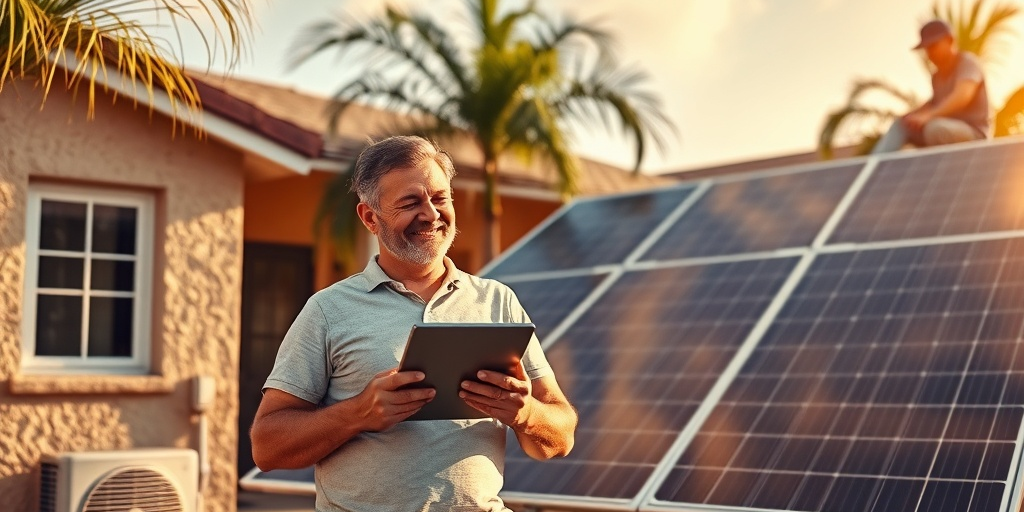
As we step into 2025, the winds of change in the energy sector are blowing stronger than ever, and Florida homeowners are at the forefront of choosing sustainable energy solutions. Did you know that Florida is one of the top states for solar power generation, with a solar capacity exceeding 6,000 megawatts as of 2023? This statistic reflects a significant shift towards solar energy adoption, fueled by the promise of lower electricity bills and sustainability. However, as the solar market burgeons, so do the scams targeting unsuspecting consumers. That’s why today’s topic is crucial: Beware of These Solar Scams to Avoid in Florida. With the average home in Florida projected to save over $20,000 on electricity costs by switching to solar, it’s essential to educate yourself on how to safeguard your investment in solar panel installation (SEIA.org).
Why is this topic particularly pressing in 2025? Rising energy costs and increasing grid instability make the transition to solar power not just appealing but necessary. However, without proper knowledge, many Florida homeowners can fall victim to fraud and deceptive practices, jeopardizing their financial and environmental goals. In this comprehensive article, we’ll explore:
- Eye-Opening Stories About Solar Scams
- Your Essential Solar Investment Checklist
- Debunking Common Solar Myths
- A Local Focus: Florida’s Unique Solar Challenges
- Technical Insights to Protect Your Investment
Let’s dive into understanding the landscape of solar scams that you need to be wary of in Florida and learn how to protect your investment effectively.
Case Study: A Homeowner’s Solar Scam Experience
Consider the story of Lisa, a homeowner in Sarasota, who fell prey to a deceptive solar company promising significant tax rebates on her installation. Enthusiastic about saving on electricity, she signed a contract that seemed too good to be true. Soon after, the company disappeared, leaving her with a partially installed system and a mountain of debt. Lisa learned the hard way that not all solar companies operate with integrity.
Lisa’s case is not an isolated incident. Across Florida, homeowners report similar experiences with solar companies making false promises and high-pressure sales tactics. In fact, reports indicate that complaints about solar scams have risen by over 40% in the last year alone (Florida Department of Agriculture), underscoring the urgent need for potential solar buyers to be educated about these scams.
So, what key indicators should you look out for? Here’s a checklist to help you identify reputable solar contractors and avoid common pitfalls:
- Research the Company: Check online reviews and confirm their reputation through reliable sources like the Better Business Bureau.
- Verify Licenses: Ensure that the company holds the necessary licenses and certifications to operate in Florida.
- Avoid High-Pressure Sales Tactics: If the salesperson pushes you to sign immediately without giving you time to think, it’s a red flag.
- Get Multiple Quotes: Always compare quotes from several companies to gauge the average market price for installation.
- Read the Contract Thoroughly: Before signing, ensure you understand the terms, including warranty conditions and cancellation policies.
By being forearmed with this knowledge, you not only protect yourself from scams but also put yourself in a position to make informed decisions about your solar investment. As we transition into 2025, staying savvy about these issues is more critical than ever.
Common Myths About Solar Energy: What You Need to Know
Solar power is riddled with misconceptions that often deter homeowners from making the switch. It’s time to bust some of the most damaging myths surrounding solar energy.
- Myth #1: Solar Energy is Too Expensive: Many believe solar panel installation costs are prohibitive. However, advancements in technology have made solar systems more affordable. In fact, the cost of solar panels has decreased by over 70% since 2010 (SEIA.org).
- Myth #2: Solar Panels Don’t Work on Cloudy Days: While it’s true that solar panels are less efficient in cloudy conditions, they can still generate electricity. Florida’s climate is generally sunny, which is ideal for solar energy production.
- Myth #3: You Can’t Sell Your House with Solar Panels: Contrary to popular belief, homes with solar installations often sell faster and at higher prices than homes without them, showing a real investment in the property.
Understanding these myths is vital for any Florida homeowner considering solar energy. Everyone needs to be educated and informed before making substantial investments. To further educate yourself, resources like floridaelectricandsolar.com can provide insights tailored to your needs.
A Unique Local Focus: Florida Solar Challenges and Solutions
Florida presents a unique environment for solar energy adoption. While we bask in abundant sunshine, our state’s regulatory landscape presents challenges. Here’s a look at crucial factors affecting Florida homeowners in their solar journey:
- Incentives and Rebates: Florida offers various incentives, but these can be complex. Understanding federal tax credits, state rebates, and how they apply to your local utility is essential for maximizing benefits.
- HOA Restrictions: Many homeowners associations (HOAs) impose restrictions on solar panel installations. Checking local regulations is key to ensuring compliance before installation.
- Financing Options: Many homeowners are unaware of financing options that can alleviate upfront costs. Various leasing and power purchase agreements can make solar power accessible.
Staying aware of these local challenges can significantly impact your solar experience. Homeowners must remain vigilant and conduct thorough research to navigate potential pitfalls effectively. Understanding the state of Florida’s solar market and the implications of these factors can place you on the fast track to energy independence.
Technical Insights: Protecting Your Investment
As you consider solar installation in Florida, understanding the technology and systems involved can protect your investment from fraud. Here are some technical aspects to evaluate:
- System Components: Be informed about the parts of a solar system, including panels, inverters, and batteries. Knowing how each component works together can help you assess the quality of your installation.
- Net Metering: Florida’s net metering policy allows homeowners to receive credits for excess energy generated. Understanding this system can enhance the financial benefits you receive from your solar panels.
- Solar Maintenance: Regular maintenance on your solar system is vital for long-term performance. Knowing what maintenance entails can save you from unexpected repair costs later.
Having this knowledge empowers homeowners to ask the right questions when dealing with contractors, thereby reducing the risk of being taken advantage of. Remember, knowledge is your first line of defense against solar scams.
Next Steps for Florida Solar Buyers in 2025
Now that you are informed about the realities of solar scams and how to protect your investment, here’s a clear action plan to ensure a smooth journey into solar energy:
- Audit Your Electric Bill: Review your energy consumption to understand how much solar capacity you’d need and identify potential savings.
- Research Local Solar Companies: Use the internet and local sources to find reputable contractors with solid reviews.
- Get Multiple Quotes: Always compare several estimates to find the best value for your investment.
- Understand Contracts: Carefully read and comprehend all terms before signing any agreement.
- Stay Informed: Regularly check for news on evolving solar incentives and technologies. Engage with resources like floridaelectricandsolar.com to stay ahead.
This actionable checklist will guide you through the complexities of going solar in Florida. Making an educated choice today may pave the way for significant savings and energy independence for years to come.
In this article, we’ve embarked on a comprehensive journey to uncover the hidden dangers of solar scams while empowering you with knowledge to protect your investment. As solar energy continues to grow in popularity in Florida, being informed and vigilant remains your strongest asset. There is a sense of urgency—electricity costs continue to rise, making the transition to solar an economically wise choice for many home and commercial property owners.
Don’t let the dream of clean, renewable energy slip away due to scams or misunderstanding. It’s time to embrace your solar journey fully, equipped with knowledge and confidence. Every moment you wait is an opportunity lost for potential savings and environmental benefits for you and your family.
Ready to start your solar journey in 2025? Connect with a certified expert at floridaelectricandsolar.com today.
Related Articles
More insights about Solar Scams

Warning: Don’t Overlook These Solar Scams to Avoid

Don’t Miss This Critical Alert About Solar Scams

Don’t Ignore These Critical Solar Scams to Avoid
Ready to Go Solar?
Have questions about solar energy? Our experts are here to help you make the switch to clean, renewable energy.