
Expert Insight: Understanding Solar Panel Lifespan for Maximum Savings
Share:
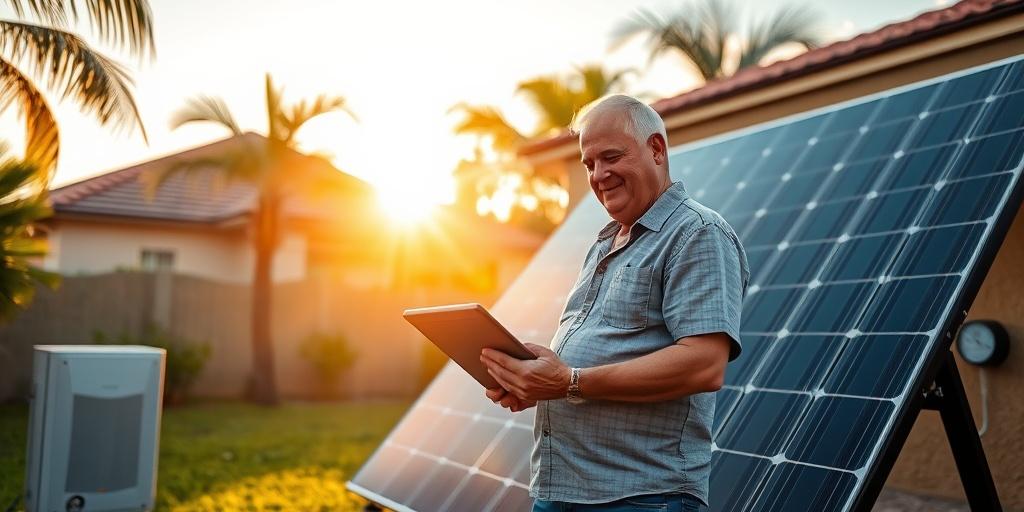
In 2025, the prospect of solar energy shines brighter than ever for Florida homeowners, especially considering that the state ranks among the top in the nation for solar capacity. Did you know that solar panels can last up to 25-30 years on average? This longevity directly correlates with your financial savings and energy independence, making it imperative to understand the intricacies involved. In our article titled “Expert Insight: Understanding Solar Panel Lifespan for Maximum Savings”, we will uncover how you can unlock savings for your home and maximize your investment in solar technology. Furthermore, up to 80% of Florida residents are unaware of the potential savings on their electric bills through solar power (SEIA.org). With this knowledge, the urgency to transition to solar energy is paramount, especially considering the rising energy costs and rapid advancements in solar technology occurring in 2025. This comprehensive guide will navigate you through five key sections: the nuanced lifespan of solar panels, a practical checklist for making solar work for you, debunking myths surrounding solar longevity, best practices for maximization, and actionable next steps for installing solar panels in Florida.
Understanding the Lifespan of Solar Panels: A Deep Dive
To grasp the full scope of savings that solar energy can offer, one must start by understanding the lifespan of solar panels. It’s essential to break down not just the longevity of these panels but also the factors contributing to their durability. Take the story of the Johnson family, a typical Floridian household who made the leap to solar energy last year. They eagerly anticipated slashing their electric bills, motivated not only by the promise of savings but by a stronger commitment to environmental responsibility.
After thorough research, the Johnsons learned that most solar panels on the market have a lifespan of 25-30 years. However, the decision-making process revealed complex layers: not all panels are created equal. The performance of a solar panel can degrade over time. The industry standard is that panels lose approximately 0.5% of efficiency per year, meaning a 300-watt panel could produce about 285 watts after 25 years (SolarReviews.com). This gradual decline could be a concern, but with proper maintenance, well-made panels can exceed expectations.
- Conduct Research: Review different brands and their warranties. Many premium options offer performance guarantees that last 25 years or longer, assuring you that the return on investment will remain steady.
- Consider Installation Quality: Poor installation can severely decrease the lifespan of your solar panels. Hiring qualified professionals helps ensure that your system runs optimally throughout its lifespan.
- Regular Maintenance: While solar panels require minimal upkeep, it’s vital to schedule periodic cleanings and inspections to maximize efficiency.
- Climate Impacts: Florida’s tropical climate includes elements like hurricanes and high heat. Look for panels that are rated to withstand harsh weather conditions for maximum durability.
- Understand Incentives: Take advantage of current federal tax credits and local incentives to ensure your investment yields the utmost in savings—because powering your home with solar isn’t just about panels, it’s about smart financial choices, too.
With the Johnsons carefully selecting high-quality panels backed by robust warranties, they quickly learned that the myth surrounding solar panels being only temporary investments is unfounded. In fact, the average solar lifespan directly translates to long-term savings, which can mean solar panels pay for themselves in under a decade. By leveraging the available incentives, they would also enjoy extra financial relief during the growing years of their investment.
Let’s address a common misconception: Myth #1: All solar panels degrade at the same rate. Not true. Quality, brand reputation, and maintenance all play a significant role. Similarly, Myth #2: Solar panels perform poorly in cloudy or rainy Florida weather. In reality, solar panels can harness energy even on overcast days— Florida averages a considerable amount of sunlight yearly, making it an ideal candidate for solar investments.
It’s essential for homeowners to adopt a local focus when considering solar. According to the Florida Solar Energy Center, state laws encourage solar installations, so you can confidently invest in renewable energy knowing your government supports this transition. Recent data suggest that homeowners utilizing solar energy see an average return on their investment of 200% over the lifetime of the panels (Energy.gov). With advancements in technology and state incentivization, it’s clear that 2025 is poised to be a transformative year in solar energy.
In conclusion, understanding the lifespan of solar panels not only paves the way for financial foresight but also fosters an informed community of solar-aware residents. The transition to solar is underway, and with each family investing in this renewable resource, Florida is poised to become a leader in sustainable energy solutions.
Simple Steps for Maximizing Your Solar Investment
Congratulations! You’ve taken the first step towards solar energy. But how do you ensure that your investment brings maximum savings? One of the most effective strategies is to follow a straightforward, actionable checklist designed to set you up for success. The following checklist will guide Florida homeowners in enhancing their solar power experience.
- Step 1: Audit Your Electric Bill
Start by evaluating your current electricity consumption. Look for seasonal variations and the impact of peak usage. Understanding your electric bill will help you estimate the size of your solar system. - Step 2: Research Financial Incentives
Investigate outdated and recent guidelines on the federal solar tax credit and local initiatives. Each state has various incentives, and knowing them can optimize your financial strategy. - Step 3: Choose the Right System Size
Consult with local experts to help select the most effective system size based on your daily power usage. Proper sizing not only maximizes savings but connects you with a supportive community of solar enthusiasts. - Step 4: Analyze Financing Options
Consider whether a lease, power purchase agreement, or purchase is best for you. Decisions on how to finance your solar system can significantly impact your overall savings. - Step 5: Partner with Skilled Professionals
Collaborating with credible solar installers will enhance your overall experience. They can recommend the best panels tailored for Florida’s climate while ensuring optimal installation protocols.
The importance of following these steps cannot be overstated. A systematic approach not only provides clarity on your savings potential but also fosters confidence in your decision to transition to solar. Through knowledgeable choices, you’ll positively impact your wallet and the environment! Should you wish to learn more about optimizing your solar installation, feel free to visit floridaelectricandsolar.com.
Debunking Common Solar Myths
As with any industry, the world of solar energy is peppered with myths that can cloud judgment and mislead potential adopters. Let’s unearth these misconceptions, backed by statistics and expert insights, to empower you as you consider solar energy for your home.
Myth #1: Solar Panels Are Expensive
While the upfront costs of installation can seem significant, the realities are more nuanced. The federal solar tax credit can help offset costs, and ordinary bills can significantly decrease over time, leading to savings that exceed your initial investment. In fact, many homeowners see a reduction of up to 40% on their electricity costs after installation (NREL.gov).
Myth #2: Solar Energy Isn’t Efficient in Florida
On the contrary, Florida is a prime candidate for solar energy due to its abundant sunshine. Many solar systems installed in the state are designed to operate effectively even on cloudy days.
Myth #3: Solar Systems Require Constant Maintenance
Solar panels require minimal maintenance, often needing only periodic cleaning. The average lifespan of a well-maintained solar panel is 25-30 years, with most warranties covering a significant portion of this time (SEIA.org).
Myth #4: You Can’t Sell Your Home With Solar Panels
In reality, solar panels can increase your home’s value. Many buyers are attracted to homes with solar energy systems, understanding the long-term savings that result from lower electricity bills.
Myth #5: Solar Batteries Are Necessary
While battery storage can be beneficial, it’s not a requirement for solar adoption. Many homeowners opt for grid-tied systems that still allow them to leverage low-cost electricity from the utility when needed.
Debunking these myths lays the groundwork for an informed solar investment. Knowledge is power, and empowering Floridians with solid information can help foster a solar-savvy community.
Case Study: The Solar Journey of a Florida Homeowner
Meet Sarah, a young Florida homeowner and a mother of two. Just last year, Sarah decided to take the plunge into solar energy after learning about the wild fluctuations in her electric bill. During hurricane season, her household would often be left at the mercy of frequent power outages, amplifying her desire for energy independence.
After extensive research and consultations, Sarah opted for a reputable solar installation service that walked her through every step. After performing a thorough energy audit, the installers recommended a 10kW system that would offset nearly 90% of her annual electric costs. Her decision not only replaced her reliance on traditional energy but provided a sense of stability for her family.
- System Size: 10kW
- Estimated Savings: $200 monthly on electric bills
- Average Panel Lifespan: 25 years
- Return on Investment: Approximately 200% over 25 years
- Incentives: 26% federal solar tax credit
With the new system installed, Sarah found herself not only saving on her electric bill but also propelled into a cleaner energy lifestyle. Her initial investment turned out to be life-changing—she enjoyed an average annual savings of close to $2,400. Furthermore, her family felt proud knowing they were contributing to reducing the carbon footprint for future generations.
Fast forward to today: Sarah engages in community workshops, sharing her solar success stories and welcoming fellow homeowners to explore solar energy options for their homes. She encourages others to grasp the power of energy independence while positively impacting the planet. Sarah’s story exemplifies the burgeoning trend of solar adoption among Florida homeowners, and as more families embark on similar journeys, Florida’s solar future looks incredibly bright.
Next Steps for Florida Solar Buyers in 2025
The transition to solar energy is a thrilling endeavor, but it comes with its share of intricacies. Here’s a comprehensive action plan to take your first steps toward an informed solar journey.
- Step 1: Audit Your Electric Bill
Closely review your electric bills over the past year to establish an average usage pattern. This assessment will serve as a benchmark for determining the appropriate solar system size. - Step 2: Consult Local Solar Experts
Reach out to experienced solar consultants who can provide insights on local incentives and installation options tailored to Florida’s unique weather and climate conditions. - Step 3: Understand Financing Options
Carefully consider what payment options work best for you. Whether it’s a lease or loan, determine how financing will impact your overall savings. - Step 4: Schedule an Installation
Once you’ve gathered all necessary information, move forward to schedule an installation with certified professionals who can ensure a hassle-free process. - Step 5: Monitor and Maintain
Finally, after installation, don’t forget to monitor your solar system’s performance regularly! Keeping records and scheduling maintenance checks will help you reap the maximum benefits for years to come.
These steps will facilitate a smoother transition into solar energy, enabling Florida homeowners to fully enjoy the benefits of renewable energy. There has never been a better time to embrace solar power and its potential for savings and sustainability. To gather more resources and find trusted partners along your solar journey, visit floridaelectricandsolar.com.
In summary, understanding the solar panel lifespan is essential for securing your financial future as a solar-equipped homeowner. By taking actionable steps, debunking myths, and learning from case studies like Sarah’s, you will be empowered to invest wisely in solar energy. As energy costs continue to rise and government incentives strengthen, the timing to go solar has never been better. Empower your family, protect the environment, and enhance your savings with solar technology today.
Ready to start your solar journey in 2025? Connect with a certified expert at floridaelectricandsolar.com today.
Related Articles
More insights about Solar Panel

Florida Homeowners: Why Solar Panel Maintenance Is Essential

7 Essential Steps for Solar Panel Installation Success

Expert Insights: Key Factors Influencing Solar Panel Lifespan
Ready to Go Solar?
Have questions about solar energy? Our experts are here to help you make the switch to clean, renewable energy.