
How One Florida Homeowner Achieved Energy Independence with Solar Panel Installation
Share:
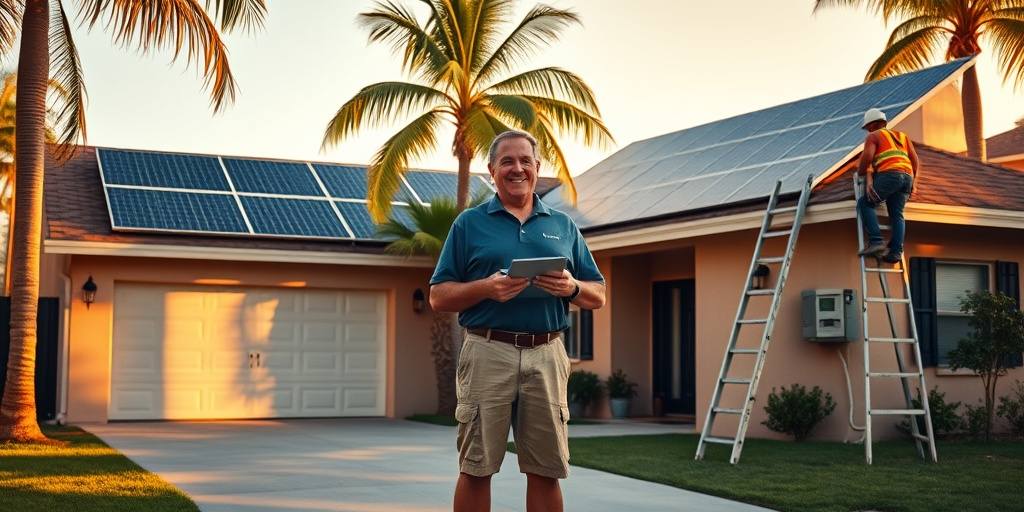
As Florida homeowners look toward a future where energy independence is not just an ideal but a reality, one question looms large: how can residential electricity be powered by the sun? The answers are becoming clearer every day, and the experiences of those who have taken the leap into solar power are more illuminating than ever. Welcome to our exploration of one Florida homeowner’s remarkable journey—a case study titled How One Florida Homeowner Achieved Energy Independence with Solar Panel Installation. This story illustrates how, in the face of climbing energy costs and a changing climate, the transition to solar is no longer a dream but a necessity.
In 2023 alone, Florida saw over 11,000 home solar installations, reflecting a 30% increase from the previous year (SEIA.org). The Sunshine State is perfectly poised to amplify its commitment to solar energy due to its favorable climate and the growing consumer interest reflected in these statistics. In 2025, the urgency to switch to renewable energy sources escalates, particularly with new incentives and subsidies aimed at homeowners across the country. This blog will delve into this vital topic and explore not only the case of one homeowner but also practical action steps, common myths, and technical insights about solar systems.
In our journey together, we’ll cover the following five sections:
- A deep dive into the case study of one Florida homeowner and their clean energy transformation.
- A checklist for potential solar buyers—everything you need to get started.
- Debunking common myths surrounding solar power—experience the truth behind the hype.
- Florida-specific insights, including local policies that impact solar energy adoption.
- A technical examination of solar technology—understand what goes behind the panels.
From Skepticism to Solar: The Transformation of a Florida Homeowner
Meet Ben and Lisa, a couple who owned a charming mid-century home in the heart of Orlando. For years, they were skeptical about solar energy. The myths surrounding cost and efficiency clouded their judgment, trapping them in a cycle of rising electric bills. Until one day, Ben saw a jarring statistic: Florida residents paid approximately $0.14 per kilowatt-hour on average, ranking near the top nationally (Energy.gov). That evening, a conversation about their mounting energy costs took a turn toward an unexpected conclusion—solar power was not just a viable option, but a necessary step toward energy independence.
They decided to consult a local solar installation company—Florida Electric & Solar—and were surprised to learn about the tangible benefits solar power could have for their home. They discovered that by taking action now, they could qualify for federal tax credits. This pivotal moment triggered their journey toward installation, sparking hope for sustainable, cost-effective energy.
In actualizing their installation, the couple undertook several steps:
- Initial Research: They learned about the types of solar panels available—monocrystalline, polycrystalline, and thin-film solar panels. Each type had its distinct features, efficiency ratings, and suitability for their specific roof type.
- Financial Incentives: Through their research, they discovered federal tax credits offered a 30% deduction on installation costs, providing significant immediate savings.
- Energy Audit: Conducting a complete energy audit allowed them to understand their current consumption and identify potential savings after installation.
- System Design and Layout: Working closely with their installation team, they customized a solar setup tailored to their needs—encompassing panel placement for optimal sun exposure.
- Installation: In just one day, the couple witnessed an entire solar system installation, complete with inverters and battery storage, unfolding before their eyes.
Ben and Lisa soon became advocates for solar energy, joyfully sharing their journey on social media. After several months of monitoring their usage, they found their electric bill reduced nearly to zero. Empowered with real-time data through their smart energy monitoring system, the couple marveled at the immediate impact solar power had on their finances and carbon footprint.
Their story unfolds a greater narrative—one where local Florida homeowners confront the skepticism against rising energy prices. Furthermore, Florida ranked second in the nation for solar installed capacity, boasting over 5 gigawatts as of 2023, a figure poised to grow as more residents seek reliable, clean energy sources (SEIA.org). As the climate continues to evolve, so too must our approach, prompting a shift toward solar adoption for future generations. Isn’t it time for your story to join theirs?
Your Solar Power Checklist: 5 Essential Steps to Start Your Journey
Are you convinced yet? If Ben and Lisa’s story resonated with you, then it’s time to consider your very own solar journey. Transitioning to solar energy requires planning and informed decision-making. Below is a comprehensive checklist composed of crucial steps to get the ball rolling on your solar panel installation.
- Step 1: Audit Your Electric Bill – Review past electric bills to determine your average monthly usage. Understanding how much energy you consume is foundational to determining the size and type of solar system you require.
- Step 2: Monitor State and Federal Incentives – Research available incentives like the Solar Investment Tax Credit (ITC) and state-specific rebates. You can save substantially on installation costs through these programs.
- Step 3: Contact Local Solar Providers – Reach out to reputable solar companies in your area. Request comprehensive quotes and try to compare different offerings rather than settling for the first option.
- Step 4: Review Your Roof’s Suitability – Work with your installation team to evaluate your roof’s pitch, material, and orientation. Certain roof types may require specific installation methods to maximize sun exposure.
- Step 5: Choose Component Design Wisely – Delve into the components of your solar system. You will need to select solar panels, inverters, and storage batteries tailored to your power needs and efficiency standards.
By following this checklist, you’re setting a strong foundation for your solar experience. Remember, each of these steps leads to a greater understanding of how to maximize your solar savings. If you’re seeking personalized assistance, don’t hesitate to contact floridaelectricandsolar.com, where experts can guide you on your path toward energy independence.
Debunking Common Solar Myths: What You Need to Know
Despite the surge in solar adoption, misconceptions continue to cloud the minds of potential users. Let’s set the record straight by debunking some of the most prevalent myths surrounding solar energy.
- Myth #1: Solar Power Is Too Expensive – This is one of the biggest barriers to entry. While the upfront costs can seem high, lower costs, coupled with available incentives, make installation more affordable than ever. Many homeowners see a return on investment within a few years due to energy savings.
- Myth #2: Solar Panels Don’t Work in Cloudy Weather – While it’s true that solar panels perform best in direct sunlight, they can still generate electricity even on cloudy days. In Florida, abundant sunlight makes solar a reliable option regardless of the weather.
- Myth #3: Solar Energy Requires a Lot of Maintenance – Most solar systems require minimal maintenance. Regular cleaning and occasional checks of inverter functionality ensure smooth operation, and many manufacturers provide warranties spanning 25 years or more.
- Myth #4: Solar Panels Will Damage My Roof – On the contrary, properly installed solar systems can protect roofing materials and even enhance property values. Working with certified professionals ensures the installation is done correctly.
- Myth #5: I Can’t Afford Solar Power – This myth often stems from misunderstanding financing options. Many companies offer affordable payment plans and leasing options that make solar achievable for various budgets.
By understanding the truths behind these myths, homeowners can navigate the transition to solar power with clarity and confidence. Don’t let misinformation hold you back from achieving energy independence.
The Florida Solar Landscape: What You Should Know
Florida continues to lead the solar revolution—even paving the way for homeowners like Ben and Lisa to embrace renewable energy sources. State-specific policies, financial incentives, and an abundance of sunlight contribute to a favorable environment for solar adoption. Let’s break this down into the key points you need to know.
- Abundant Sunshine: Florida enjoys an average of more than 237 sunny days per year, significantly boosting solar energy potential. The state’s sunlight levels make it an ideal environment for solar energy generation.
- State Solar Incentives: Floridians can benefit from several local programs supporting solar adoption, including sales tax exemptions and property tax benefits for solar installations.
- Net Metering Regulations: Florida’s net metering policies allow homeowners to sell excess electricity back to the grid, further enhancing the financial viability of solar systems. This essentially means you’re compensated for the surplus energy you produce, lowering your overall costs.
- Community Solar Programs: Some areas in Florida now offer community solar initiatives, providing access to solar energy for those unable to install panels directly on their property. This approach widens participation in solar savings.
By understanding Florida’s specific landscape for solar, you can position yourself strategically within the renewable energy framework. The state’s commitment to solar reflects its need for sustainable energy solutions, offering significant opportunities for homeowners to become part of the solution.
Understand Your Solar Journey: Next Steps for Florida Buyers in 2025
As we draw closer to 2025, the importance of energy independence shines brighter than ever. Now is the time to take necessary steps toward embracing solar energy in your home. Here’s an actionable plan to help you transition smoothly:
- Step 1: Conduct an Energy Audit – Assess your current energy usage to pinpoint where modifications can be made. This audit will serve as critical data for determining the right size for your solar system.
- Step 2: Research Local Installation Companies – It’s essential to compare several quotes and choose a local installer that displays proven expertise and a solid customer satisfaction rating.
- Step 3: Evaluate Financial Options – Understand available financing plans, including loans, leases, and power purchase agreements (PPAs). Make sure to analyze how they align with your long-term goals.
- Step 4: Plan for Permits and Inspections – Prepare for the necessary permits required by state and local authorities. Proper planning can streamline the installation process.
- Step 5: Schedule Installation Dates – Finalize installation dates and confirm logistics with your chosen solar provider. Make sure to keep communication lines open for seamless coordination.
Following these steps, you create a pathway not just toward energy independence, but also a wealth of long-term savings. The decision to go solar in Florida is a step toward securing a greener future.
Ben and Lisa’s story serves as a beacon of hope, illustrating that energy independence is within reach for every Florida homeowner. Remember, your decision goes beyond your personal finances; it contributes to a larger movement toward sustainable living for future generations.
Ready to start your solar journey in 2025? Connect with a certified expert at floridaelectricandsolar.com today.
Related Articles
More insights about Solar Panel

Florida Homeowners: Why Solar Panel Maintenance Is Essential

7 Essential Steps for Solar Panel Installation Success

Expert Insights: Key Factors Influencing Solar Panel Lifespan
Ready to Go Solar?
Have questions about solar energy? Our experts are here to help you make the switch to clean, renewable energy.