
Expert Insight: Understanding Solar Panel Lifespan for Energy Independence
Share:
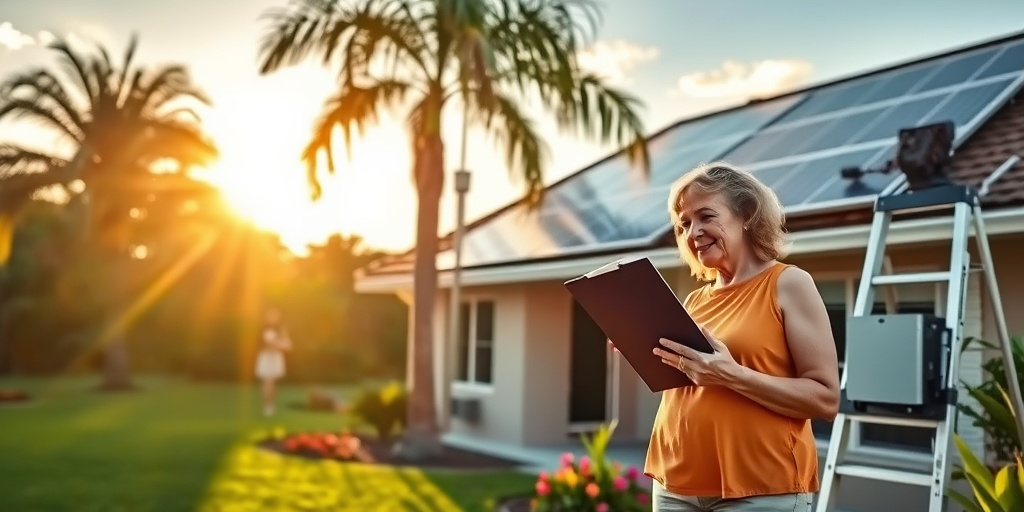
In a world where energy costs are rising at an alarming rate and the quest for energy independence is becoming increasingly critical, understanding the solar panel lifespan is a vital component for Florida homeowners looking to make a sustainable investment in 2025. Did you know that the average lifespan of solar panels is around 25 to 30 years, and this can significantly impact your financial investment and energy independence? As we dive deeper into this subject, you’ll discover how solar power is not only a path to reducing your electric bills but also a key tool for energy resilience (SEIA.org). With the availabilities of various incentives and a growing emphasis on sustainability in the Sunshine State, now is the time to explore how the lifespan of solar panels affects your journey toward energy independence through the blog titled Expert Insight: Understanding Solar Panel Lifespan for Energy Independence.
As Florida prepares for the challenges of tomorrow—ranging from rising sea levels to increased energy demand—going solar has never been more critical. Within this article, we will explore five key sections: first, a detailed take on real-life case studies highlighting savvy homeowners who have embraced solar; second, an actionable checklist to guide you through the process; third, debunking myths about solar power that proliferate in the community; fourth, a local focus on solar energy in Florida; and finally, a technical deep dive into the specifics of solar technology and their implications for your long-term energy strategy. Together, we’ll empower you with the necessary knowledge to make a confident switch to solar energy in 2025.
Understanding the Full Potential of Your Solar Investment
When considering solar energy, it’s paramount to understand its longevity—not just in terms of years but also regarding efficiency over time, maintenance, and your overall return on investment. Many Florida homeowners, like Susan from Orlando, are tapping into the benefits of solar. Having installed panels three years ago, Susan reports a staggering 75% decrease in her electric bill and appreciates the confidence of feeling energy-independent amidst a climate of grid instability (Energy.gov). This drives home the importance of not only choosing high-quality solar panels but being aware of their lifespan and performance degradation over time.
Consider this checklist to maximize your solar investment:
- Research Panel Quality: Look for panels with warranties longer than 25 years; this can indicate longevity and reliability.
- Know Your Environment: Be aware of your geographical risks—hurricanes, hail, or extreme heat can affect lifespan.
- Explore Financial Incentives: Research local, state, and federal incentives available specifically for Florida residents.
- Stay Informed: Regularly verify the performance of your solar system to catch any potential issues early.
- Engage Local Providers: Work with reputable solar installers who have a proven track record in Florida.
While adapting to solar energy may bring up concerns related to efficiency and reliability, it is important to understand that many myths exist that can hinder a homeowner’s decision to go solar. Let’s explore a few of those.
Common Solar Myths Debunked
In order to make an informed decision about your solar investment, it’s crucial to separate fact from fiction. Here are the most common misconceptions that we need to clarify:
- Myth #1: Solar Panels are Inefficient in Florida. On the contrary, Florida is one of the most solar-friendly states thanks to its abundant sunlight. In fact, Florida ranks third in the U.S. for solar power capacity, generating over 18,000 megawatts (NREL.gov).
- Myth #2: Solar Panel Lifespan is Short. While some may believe solar panels only last about 10 years, the industry standard is closer to 25 to 30 years, as long as you invest in high-quality products.
- Myth #3: Batteries are Not Worth the Investment. Energy storage is evolving, and battery technologies improve continuously, allowing homeowners to store energy for evening and stormy days, increasing independence.
- Myth #4: Solar is Too Expensive Upfront. With incentives and financing options available, the initial investment is often much lower than many homeowners expect. In fact, average payback periods have decreased to around 4 to 7 years (SolarReviews.com).
- Myth #5: All Solar Panels are the Same. Not all solar panels are created equal. Variability exists not only in efficiency but also in warranty and performance. Always choose panels with a strong manufacturer’s warranty and durability ratings.
As we proceed, we can delve deep into the local focus on solar energy specifically in Florida. Understanding state policies can significantly aid your decision-making process.
The Florida Solar Advantage: Policies and Incentives
As a Florida homeowner, leveraging state incentives and understanding local policies can be the tipping point in your solar journey. Florida Solar Energy Policy supports various residential and commercial solar programs, making it easier than ever for residents to invest (FloridaSolar.org).
Here are key factors to consider when navigating Florida’s solar landscape:
- Net Metering: This policy compensates homeowners for the excess energy their solar panels generate and feed back into the grid. Understanding net metering can significantly enhance your savings.
- Property Tax Exemption: In Florida, installing solar panels does not increase your property tax assessment, facilitating greater financial benefits without higher tax burdens (SEIA.org).
- State Incentives: There are various state incentives available facilitating the accessibility of solar, including rebates, tax credits, and grants.
Several Florida cities, like Jacksonville and Orlando, offer unique incentives for going solar, enhancing the appeal of a clean and green energy transition. By tapping into these local incentives, you’re not just investing in personal energy independence but contributing to a more sustainable state.
5 Expert Solar Installation Tips for 2025
As you prepare to switch to solar energy in 2025, consider these expert installation tips that can help ensure your transition is seamless and beneficial:
- Understand Roof Orientation: Proper orientation and angle of your solar panels significantly affect their efficiency. Ideally, panels should face true south to achieve optimal sunlight exposure.
- Invest in Quality Equipment: Don’t skimp on quality. Choosing high-performance solar panels and inverters can drastically enhance your electricity savings and lifespan of your system.
- Regular Maintenance is Key: Schedule annual inspections and maintenance checks to ensure your solar system is operating optimally, eliminating any potential issues that could reduce lifespan.
- Consider Battery Backup: A backup battery can provide power during outages and can lead to significant savings; consider this in your planning stage to maximize your ROI.
- Work with Experienced Installers: Local and knowledgeable solar installers will understand Florida-specific conditions and regulations, optimizing your installation for the best performance.
Completing a solar installation is more than just placing panels on your roof; it’s about optimizing your investment. But knowledge doesn’t end with installation; it continues as we explore an illustrative narrative of a typical Florida homeowner’s solar journey.
Real Stories: A Florida Homeowner’s Solar Journey
Meet James, a Tampa Bay homeowner who decided to make the switch to solar energy in 2023. With his utility bills skyrocketing, he realized he needed to act fast. After exploring options and benefits, he took the plunge and installed solar panels on his roof. Fast forward two years, and James recounts the highs and lows of his solar journey:
- Discovering Solar Benefits: James was shocked to see his electric bill drop by a staggering 80% within just one year of installation.
- Coping with Installation Challenges: The installation process wasn’t without its hiccups—some permit delays and environmental regulations slowed him down, but he was well-informed, thanks to his installer.
- Adjusting Household Habits: With his investment in solar, James and his family adjusted their energy consumption habits, embracing energy-efficient appliances and smart home tech to maximize savings.
- Backing Up for Peace of Mind: Determined not to face energy disruptions from hurricanes, James invested in a battery backup system, providing extra security during storms.
James’s experience is a testament to the positive impact of a solar investment, and it highlights key decisions that maximize the lifespan and effectiveness of your solar energy systems. As we wrap up, let’s focus on a streamlined action plan for potential solar buyers in Florida.
Next Steps for Florida Solar Buyers in 2025
Transitioning to solar energy is an empowering step toward energy independence, but it requires careful planning. Follow these essential steps to take action:
- Audit Your Electric Bill: Understanding your current energy usage is the first step. Identify high-usage months and take notes on your habits.
- Research Local Installers: Spend time researching local solar providers and their reviews to find a reputable installation company with experience in Florida.
- Evaluate Financing Options: Explore financing options that can suit your budget, whether it’s outright purchase, loans, or leasing.
- Understand Your Solar Needs: Consider your home’s solar potential based on roof orientation, size, and household energy needs to determine the best configuration.
- Schedule Your Installation: Once you’ve done thorough research and chosen a provider, schedule your solar panel installation at a time that’s convenient for you.
Taking these steps lays the groundwork for your investment. As you embark on your solar journey, don’t forget to leverage the unique incentives provided by Florida to maximize your solar savings further. The future of energy independence is in your hands.
In conclusion, understanding the lifespan of solar panels is fundamental to making an informed investment in solar energy. The insights provided in this guide can not only guide you toward significant savings but also empower you to own your energy future, reduce your carbon footprint, and foster a greener Florida. With rising energy costs and the urgent need for sustainable solutions, now is the time to consider making the switch. Take action today; don’t wait until tomorrow to secure your energy independence.
Ready to start your solar journey in 2025? Connect with a certified expert at floridaelectricandsolar.com today.
Related Articles
More insights about Solar Panel

Florida Homeowners: Why Solar Panel Maintenance Is Essential

7 Essential Steps for Solar Panel Installation Success

Expert Insights: Key Factors Influencing Solar Panel Lifespan
Ready to Go Solar?
Have questions about solar energy? Our experts are here to help you make the switch to clean, renewable energy.