
Myth-Buster: Debunking Solar Panel Lifespan Myths You Shouldn’t Believe
Share:
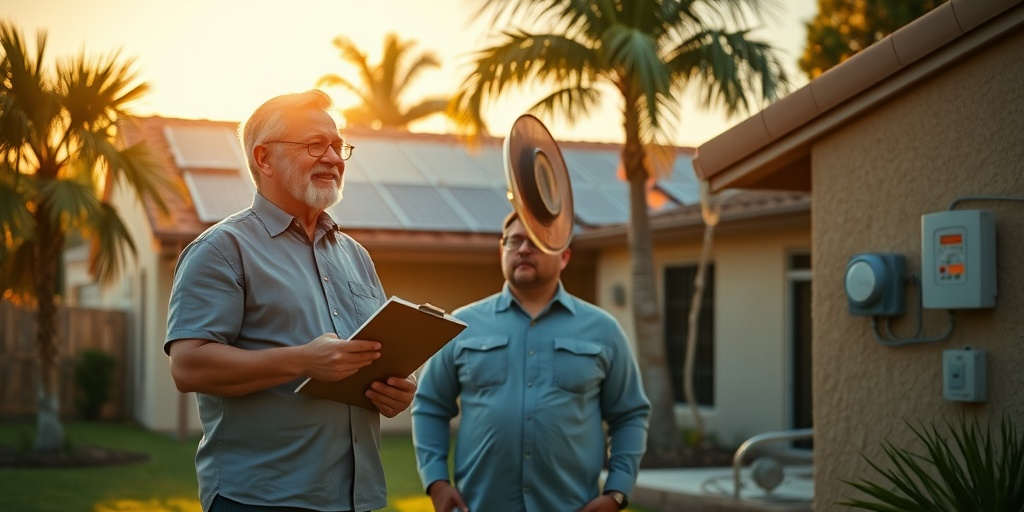
Did you know that about 90% of homeowners in Florida believe that solar panels have a lifespan of only 10 to 15 years? This widespread misconception could be costing you thousands of dollars in wasted energy expenses. In reality, most solar panels can last 25 years or more, with warranties often covering performance for up to 25 years (SEIA.org). Welcome to our blog post titled Myth-Buster: Debunking Solar Panel Lifespan Myths You Shouldn’t Believe. Today, we’re diving deep into common myths that plague the solar industry, particularly those concerning the longevity and performance of solar panels. Understanding these truths is urgent, particularly as we move into 2025, a year marked by rising energy costs and enhanced incentives for solar adoption. The latest estimate from Solar Energy Industries Association indicates that the cost of solar installations in Florida continues to decrease, with 1 in 5 homes now equipped with solar solutions (SolarReviews.com).
In this comprehensive guide, we’re going to cover five significant sections that will not only debunk myths but also equip you with actionable insights for your solar journey:
- Explore common misconceptions about solar panel lifespan, backed by data and case studies.
- Follow a practical checklist to choose and maintain your solar energy system effectively.
- Unearth the truth about five prevalent myths that can mislead prospective solar buyers.
- Focus on regional insights specifically targeting Florida homeowners.
- Delve into a technical examination of solar energy systems and their longevity factors.
Understanding the Lifespan of Solar Panels: A Deep Dive
Every day, more Floridians are making the switch to solar energy, but many are misled by common myths. One homeowner, Samantha, living in sunny Tampa, decided to switch to solar for both environmental and financial reasons. Initially, she hesitated due to her belief that solar panels would need constant replacement every 10 years. After thorough research, she discovered the reality of solar panel technology and made a life-changing decision. With the typical lifespan extending beyond 25 years, she not only decreased her electric bill significantly but also maximized her return on investment. Statistics from the National Renewable Energy Laboratory show that residential solar installations in Florida are projected to lead the country in 2025 (NREL.gov).
Here’s a practical checklist to help you navigate the essential steps in making informed solar choices:
- Step 1: Research the different types of solar panels: Understand that monocrystalline and polycrystalline panels can significantly affect performance and durability.
- Step 2: Evaluate your home’s solar potential: Factors such as roof orientation and size can impact solar energy generation.
- Step 3: Consider warranties carefully: A good warranty can protect your investment and ensure performance longevity.
- Step 4: Look for installation expertise: Choosing a knowledgeable installer can make a huge difference in panel longevity.
- Step 5: Monitor performance: Regularly check your solar power output and schedule maintenance when necessary.
Now, let’s address a few common myths:
- Myth #1: Solar panels only last a decade.
In reality, modern solar panels often come with 25-year warranties and can last even longer based on material and maintenance. - Myth #2: Solar panels degrade quickly over time.
While it’s true that solar panels lose efficiency gradually, most maintain around 80-90% of their original performance after 25 years (Energy.gov). - Myth #3: Florida’s weather is too harsh for solar panels.
Not only are Florida panels robust enough to withstand extreme weather, but they also perform efficiently in high heat conditions.
In summary, by understanding these myths, you can make better decisions about investing in solar energy. Next, let’s focus on Florida-specific factors that further clarify these misconceptions.
Myth-Busting: Debunking Common Myths You Shouldn’t Believe
Myth #1: “Solar panels can’t handle Florida’s heat.”
While Florida is known for its sunny disposition, many believe that high temperatures adversely affect solar panels. In fact, solar panels are designed to operate efficiently even in heat. Studies note that solar panel temperature needs to exceed 76°F to reach maximum performance. Hence, the right type of panels can effectively convert sunlight to energy even in Florida’s summer heat.
Myth #2: “More panels mean less efficiency.”
This common belief stems from misunderstandings regarding energy production. The more panels you install, the more energy you can generate. So while you need space in your yard or on your roof, the idea that more panels mean decreased efficiency is entirely incorrect.
Myth #3: “Solar energy isn’t a good investment.”
Many skeptics dismiss solar energy as a fad. However, with Florida providing some of the most generous tax credits and rebates in the country, investing in solar energy is not just environmentally smart; it’s financially wise. Florida homeowners can recoup their investment with energy savings within a few years, especially by taking full advantage of the federal solar tax credit.
Myth #4: “All solar panels are the same.”
In reality, solar panel quality varies significantly. More efficient panels often come with higher upfront costs but yield greater savings long-term. Always consider the panel’s efficiency rating before purchase.
Myth #5: “You need batteries for solar to work.”
While storage batteries can help you save energy for nighttime use, solar panels can work fine during the day and provide immediate usage of energy generated.
This comprehensive myth-busting is essential for Florida homeowners who seek to reduce energy costs and invest in sustainable solutions. As you learn more about these myths, let’s explore specific local information to highlight why Florida is a great fit for solar energy.
Why Florida is Solar-Friendly: Local Insights for Homeowners
When it comes to solar energy, Florida is often dubbed the “Sunshine State”—and rightfully so. With an average of 237 sunny days per year, it’s no wonder that solar adoption is growing rapidly. According to the Solar Energy Industries Association, Florida ranks among the top five states for solar energy capacity, with nearly 2.5 million residential installations projected by 2025.
Here are three key benefits that make solar energy appealing in Florida:
- Government incentives: With state-sponsored solar tax credits, Florida homeowners can receive a credit of up to 26% off their installation costs. Additionally, more programs are rolling out to encourage more residential solar solutions.
- Low maintenance: Solar panels require very little upkeep. An occasional cleaning and inspection are generally sufficient, and warranties extend for years. This allows you to enjoy your solar investment with minimal hassle.
- Energy independence: Florida homeowners who adopt solar technology gain autonomy from rising utility rates, allowing you to ‘own your power’ while providing savings in the long run.
Tracking these localized insights bolsters the argument for solar energy. But understanding the technical elements of solar panels is just as imperative. Let’s delve deeper into the technical aspects of solar energy systems.
Understanding Technical Specs: What Makes Solar Panels Last?
The efficiency and longevity of solar panels boil down to several technical factors:
- Type of solar panels: Monocrystalline panels often outperform monocrystalline in efficiency and longevity. Their higher purity levels lead to better performance over time.
- Installation quality: This can’t be stressed enough. Poor installation can lead to quicker degradation. A skilled installer ensures that the panels can withstand Florida’s unique climate.
- Regular maintenance: Consistent upkeep, like cleaning to remove dust and weather debris, enhances performance. Panels that are routinely checked maintain their efficiency longer.
- Product ratings: Always select high-quality panels from trusted manufacturers. Certifications from organizations like the International Electrotechnical Commission (IEC) typically indicate reliability.
In the context of Florida, identifying high-efficiency panels is crucial for maximizing solar savings. For this reason, homeowners should invest time reviewing product specifications and warranties. After establishing a solid foundation about solar panels, we will wrap up our exploration with actionable next steps for homeowners.
Next Steps for Florida Solar Buyers in 2025
Now that we’ve debunked myths and examined the unique aspects of solar energy, it’s time to take actionable steps toward your solar journey. Here’s a checklist to guide you:
- Step 1: Audit Your Electric Bill: Assess your energy consumption to determine the size of the solar system you’ll need.
- Step 2: Research Local Incentives: Visit floridaelectricandsolar.com to explore the latest solar incentives available in Florida.
- Step 3: Get multiple quotes: Don’t settle for the first company. Compare offers for the best pricing and quality.
- Step 4: Evaluate Potential Installers: Look for reviews and ratings for installers in your area to ensure you get expert workmanship.
- Step 5: Schedule a Consultation: Make sure to consult with certified professionals to clarify your doubts and get tailored advice.
These steps will help streamline your transition to solar energy. Remember: investing in solar solutions today not only protects your home from future energy costs but contributes to a cleaner, more sustainable planet.
Conclusion: A Brighter Future Awaits with Solar Energy
In conclusion, understanding the myths surrounding solar panel lifespans is vital for making an informed decision regarding solar energy. From recognizing the longevity of panels to demystifying common misconceptions, we hope this guide empowers you to take charge of your energy future. As energy prices rise and Florida continues to offer various incentives, the urgency to act has never been greater. The shift to solar energy offers enormous potential for savings while contributing positively to the environment.
So why wait? Ready to start your solar journey in 2025? Connect with a certified expert at floridaelectricandsolar.com today.
Related Articles
More insights about Solar Panel

Florida Homeowners: Why Solar Panel Maintenance Is Essential

7 Essential Steps for Solar Panel Installation Success

Expert Insights: Key Factors Influencing Solar Panel Lifespan
Ready to Go Solar?
Have questions about solar energy? Our experts are here to help you make the switch to clean, renewable energy.