
7 Essential Steps for Solar Panel Maintenance in Florida
Share:
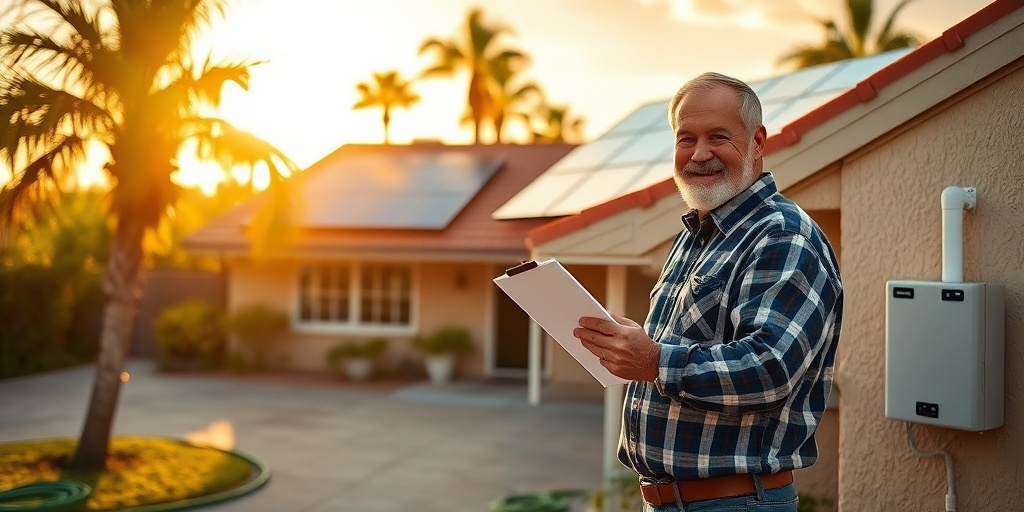
As we approach 2025, Florida homeowners are standing at the precipice of an energy revolution. Would you believe that nearly 90% of Floridians believe investing in solar power is essential for future savings and sustainability? This staggering statistic reflects a growing awareness among residents of the Sunshine State about the benefits of solar energy and the urgency of efficient maintenance practices. Today, we will explore the **7 Essential Steps for Solar Panel Maintenance in Florida**—crucial knowledge to maximize your system’s efficiency and ensure long-term solar savings. Additionally, with new incentives emerging and rising energy costs making headlines, the time to learn these steps has never been more pressing. In 2025, solar energy promises to lead the charge in reshaping our energy landscape, and effective maintenance can ensure that your investment pays off. This blog will guide you through five detailed sections covering actionable maintenance techniques, busting common myths, local adaptations, technical insights, and a clear action plan to lay the foundation for your solar success.
Understanding Solar Panel Maintenance: The Importance of Care in Florida
Imagine this: John, a Florida homeowner, decided to install solar panels after attending a local seminar about sustainable energy. Enthralled by the idea of reducing his electricity bill, he invested in a state-of-the-art solar system. One day, while enjoying the beautiful Florida sun, he noticed that his energy output was not as high as expected. John, like many, neglected to consider the critical importance of solar panel maintenance in optimizing performance. Over time, he learned the hard way that without proper care, his system’s efficiency could drop significantly—by up to 20% due to dirt, debris, or corrosion (NREL.gov). The moral of the story? Regular solar panel maintenance is not just an option; it is a necessity.
- Step 1: Regular Inspection – Conduct visual checks to catch issues early.
- Step 2: Cleaning – Wash your panels to remove dust and debris.
- Step 3: Monitoring Performance – Track energy output and identify problems.
- Step 4: Professional Inspections – Schedule annual check-ups with experts.
- Step 5: System Upgrades – Consider upgrading components as technology improves.
Research indicates that failing to maintain your solar system could mean a decrease in performance and savings, leading to an additional $1,000 or more in missed savings over time (SEIA.org). In sections that follow, we will discuss each of these essential steps in detail, debunk prevalent solar myths, explore Florida-specific benefits, and provide guidance on the technology that could keep your solar system running efficiently.
Step 1: Perform Regular Inspections
Regular inspections should be the cornerstone of your solar maintenance routine. This step allows you to identify potential problems before they become major issues. For instance, let’s return to John. His system was installed on the roof, and he often overlooked it. However, a quick visual check once a month could have revealed dust build-up or incorrect wiring connections. In 2025, homeowners will need to be more proactive, as neglecting inspections can lead to performance deterioration and unnecessary repair costs.
- Visual Inspection: Look for shading from nearby trees, debris, or signs of wear on the panels.
- Check Connections: Ensure that all wiring connections are tight and corrosion-free.
- Inspect Inverters: Monitor the inverter’s display for any faults or error messages.
You’d be surprised to learn that approximately 10,000 Floridian homeowners report inconsistent energy results without understanding the problems due to lack of inspections (SolarReviews.com). This is where knowledge and vigilance pays off. Regular check-ups can be a profound monetary savior. For additional support, reaching out to certified professionals like floridaelectricandsolar.com can set you on the right path.
Step 2: Cleaning Your Solar Panels
Cleaning isn’t just about aesthetics—it significantly impacts the efficiency of your solar panels. Floridian homeowners often underestimate the effect that dust, pollen, and humidity have on energy output. Over time, these elements can accumulate on the surface, leading to reduced performance. In fact, studies show that dirty solar panels can lead to a 15% to 20% reduction in efficiency (Energy.gov). Imagine spending thousands on a solar array only to experience decreased performance because of accumulated grime.
Here’s what you need to do:
- Method: Use a soft cloth or sponge with water. Avoid abrasive materials that could scratch the glass.
- Timing: Clean on cooler days, preferably in the early morning or late evening, to avoid evaporation.
- Chemicals: If needed, use a mild soap solution, but rinse thoroughly to avoid residue build-up.
Regular cleaning not only maintains high energy output but also prolongs the lifespan of your panels. For instance, John learned that cleaning his solar panels biannually allowed him to maintain consistent energy production, leading to savings as detailed in his annual energy report. With just 30 minutes of elbow grease twice a year, he maximized his solar savings while enjoying the sunshine in Florida.
Step 3: Monitoring Performance
In this digital age, monitoring technology has fundamentally changed how we operate and maintain solar systems. Solar panel performance monitoring systems allow homeowners to track energy production real-time through apps and web platforms. This technology empowers homeowners to understand how their solar systems are functioning and diagnose potential issues quickly.
- Track Energy Output: Set goals for energy production and check daily to see if they’re being met.
- Monitor Weather Patterns: Understand how local weather impacts energy production, especially during hurricane season.
- Device Alerts: Keep notifications enabled to receive alerts about drops in performance.
Failing to monitor performance can lead to delays in addressing issues that might otherwise have been simple fixes. For instance, John noticed a sudden drop in output during the rainy season and, with the help of monitoring software, was able to identify a malfunctioning inverter that would have otherwise gone unnoticed until it worsened.
Step 4: Schedule Professional Inspections
Despite your best efforts to maintain your solar system, it is essential to have a qualified technician perform yearly inspections. These professionals can identify underlying issues not apparent to the untrained eye and ensure every component is functioning optimally. When hiring professionals, look for certified solar technicians familiar with state regulations, warranties, and common system faults. During a typical inspection, they may:
- Inspect Electrical Components: Analyze wiring integrity and safety compliance with local codes.
- Check for Damage: Look for issues that could signify deeper problems, such as roof leaks or pest infestations.
- System Performance Tests: Conduct tests to ensure all components are operating as expected.
Annual professional inspections can help you avoid severe, costly repairs. In one reported case, a Florida homeowner discovered a significant fault during a professional inspection that saved them thousands in potential repair costs (NREL.gov). This highlights the immense value professionals bring to maintaining the operational longevity of your system.
Step 5: Upgrade Components as Needed
Lastly, as solar technology evolves, so should your system. Components such as inverters often come with warranty protection that lasts around 5 to 10 years. After that, it may be time to evaluate whether upgrading your components is necessary. Staying informed about advancements in technology could result in increased efficiency and potential savings.
- Inverter Upgrades: New inverter technology can dramatically boost energy conversion rates.
- Batteries: Consider adding or upgrading battery storage systems to maximize self-consumption.
- Panel Upgrades: If panels are over ten years old, consider newer, more efficient alternatives.
Investing in upgrades can lead to impressive increases in energy production, sometimes up to 30% (SolarReviews.com). In John’s situation, learning about the latest inverter technology led him to upgrade his equipment, resulting in an unexpected boost in production and a sustainable practice to reduce costs further. In the sunny state of Florida, where the sun is plentiful, these upgrades can be game-changing.
Busting Common Myths About Solar Panel Maintenance
Going solar gives homeowners an optimal chance to reduce energy costs and lessen their carbon footprint, but misconceptions about solar maintenance persist. Busting these myths is crucial to empower Floridians with correct knowledge.
Myth #1: Solar panels don’t need maintenance.
Many believe that solar panels are install-and-forget technology, but neglecting maintenance can lead to significant performance losses and costly repairs.
Myth #2: Only professionals can clean solar panels.
While professionals can certainly help, a simple DIY cleaning can often suffice, especially for minor maintenance, as long as homeowners use appropriate methods and tools.
Myth #3: My solar panel output won’t change with seasons.
Energy output can vary significantly with seasonal changes, temperature, and weather patterns; regular monitoring can help identify adaptations needed for optimal performance.
Myth #4: If you install a solar system, you’ll never have to think about electricity again.
While solar energy reduces reliance on grid power, regular checks and monitoring are vital to ensure optimal performance.
Myth #5: Solar power systems are only worth it in sunny areas.
Even cloudy regions can benefit from solar power; effective technologies and systems can generate energy even in less-than-ideal weather conditions.
Dispelling these myths empowers homeowners to take control of their solar experience and reinforces the fundamental importance of solar panel maintenance. It is all about knowledge, foresight, and a willingness to adapt.
Technical Deep-Dive: Understanding Your Solar System
Understanding the technical components of your solar system is essential for successful maintenance. The more you know about how your system works, the better you can act to optimize performance. Every installed system is comprised of various elements, each serving critical functions:
- Solar Panels: These convert sunlight into electricity. Their efficiency is crucial and can be affected by dirt or shading.
- Inverters: Convert DC power generated by the panels into usable AC power for your home. Proper maintenance ensures they function effectively.
- Batteries: Store excess energy for use during low production periods, vital to maximizing savings.
In Florida, policies also impact how these components operate and their efficiency. Homeowners may find tax credits, rebates, or net metering programs beneficial (DSIREUSA.org). For instance, net metering allows homeowners to sell excess energy back to the grid, adding to savings.
Moreover, fluctuations in energy costs drive home solar solutions to be essential as they offset potential increase rates. Being aware of evolving technologies offers opportunities to enhance current systems for better performance and savings in the long run.
Next Steps for Florida Solar Buyers in 2025
Taking the leap into solar energy is just the beginning; maintaining it is where the real dedication shows. Here’s a clear action plan for Florida homeowners ready to embark on their solar journeys:
- Audit Your Electric Bill: Review past bills to understand energy consumption patterns.
- Assess Roof Conditions: Ensure your roof is in good condition before installation.
- Research Installers: Look for certified, trustworthy solar installation companies.
- Evaluate Financing Options: Understand available financing plans or tax incentives that can help ease upfront costs.
- Choose Monitoring Systems: Integrate technology that allows you to track solar performance effectively.
Securing your energy future through solar power extends beyond installation; it encompasses a state of diligence and readiness to maintain performance. Resources like floridaelectricandsolar.com can provide further insight on available technologies and support structures in your area as new policies arise.
Conclusion: Your Solar Journey Begins with Maintenance
In conclusion, the roadmap to effective solar panel maintenance is critical for Florida homeowners. As we move into 2025, understanding and implementing these **7 Essential Steps for Solar Panel Maintenance in Florida** will determine your success in maximizing efficiency and savings from your system. From regular inspections and cleaning to busting common myths and understanding technical components, every action taken will nurture a robust solar power system.
Remember that the decisions made today about your energy consumption will directly affect your future energy bills and environmental impact. The sooner you start applying these maintenance strategies, the more benefits you will weave into your daily life. Solar energy is not just about embracing renewable resources—it is about investing in a sustainable future for your family.
Ready to start your solar journey in 2025? Connect with a certified expert at floridaelectricandsolar.com today.
Related Articles
More insights about Solar Panel

Florida Homeowners: Why Solar Panel Maintenance Is Essential

7 Essential Steps for Solar Panel Installation Success

Expert Insights: Key Factors Influencing Solar Panel Lifespan
Ready to Go Solar?
Have questions about solar energy? Our experts are here to help you make the switch to clean, renewable energy.