
How Florida Homeowners Can Save with Off-Grid Solar Systems
Share:
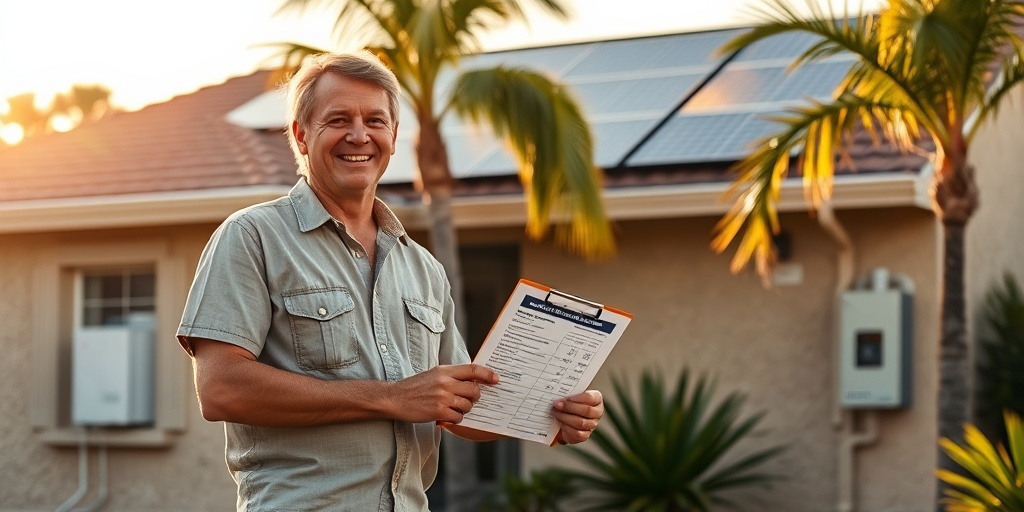
Just imagine this: You wake up one sunny morning in your Florida home, sip your coffee, and know that your electricity comes from the sun—free, abundant, and purely yours. With off-grid solar systems, this dream can be your reality. In this comprehensive guide titled How Florida Homeowners Can Save with Off-Grid Solar Systems, we will explore how these systems can lead you to significant savings on your electricity bill, greater energy independence, and a reduced carbon footprint. Did you know that according to the Solar Energy Industries Association, Florida ranks third in the nation for solar energy capacity (SEIA.org)? Moreover, with the average residential electric bill in Florida reaching over $125 per month (Energy.gov), the urgency for homeowners to consider alternative energy solutions is clear, especially as energy prices are predicted to continue climbing in 2025 and beyond. In this guide, we will delve into five key sections: a deep dive into off-grid solar with a rich case study, a checklist of actionable steps for going solar, myth-busting common misconceptions, a local focus on Florida-specific benefits, and a technical deep dive into system components. Let’s navigate this solar journey together and unlock the potential benefits of off-grid solar systems for Florida homeowners.
Understanding Off-Grid Solar: A Case Study of True Freedom
Meet Sarah, a Florida resident who decided to take control of her energy costs and environmental impact by installing an off-grid solar system in 2025. Frustrated with skyrocketing electric bills and frequent power outages during thunderstorms, she wanted a solution that granted her both independence and sustainability. After extensive research, she chose to partner with Florida Electric & Solar to design a system specifically for her home, which was nestled in a tree-covered area prone to utility interruptions.
Sarah’s journey began with a comprehensive energy audit conducted by experienced installers. They evaluated her electricity habits, the size of her home, and the suitability of her roof for solar panel installation. The outcome? A tailored system featuring 28 solar panels and a high-capacity battery bank that could store excess energy for those overcast days. Within just several months, Sarah noticed something remarkable: her electric bills had plummeted to nearly zero.
Here’s how Sarah made the leap to off-grid solar:
- Initial Investment: The upfront cost for her solar system was $24,000. However, with the federal solar investment tax credit allowing her to deduct 26% from her taxes, her final bill dropped to $17,760 (SEIA.org).
- Monthly Savings: By switching to solar, Sarah no longer paid an average electric bill of $140, saving her over $1,600 annually.
- Energy Independence: On cloudy days, her energy needs were met through the battery bank, fostering greater peace of mind during hurricane season.
- Environmental Impact: Not only did she reduce her carbon footprint significantly, but she also felt proud of her role in promoting renewable energy in her community.
Before moving into the installation process, Sarah was skeptical of the actual performance of solar panels, especially under Florida’s unique climate. Many people believe Florida’s humidity would inhibit efficiency. This myth is easily debunked, as the latest solar technology is designed to thrive even in tropical conditions. In fact, the average solar irradiance in Florida hovers around 5.2 kWh/m²/day, providing an excellent resource for solar energy generation (SolarReviews.com).
In Sarah’s case, her decision to go off-grid has not only brought substantial financial savings but has inspired her neighbor to consider the same transition. Her story showcases that off-grid solar systems are not just an alternative energy option—they represent a lifestyle choice, positioning Florida homeowners like Sarah at the forefront of the energy revolution. Let’s explore how you, too, can take the plunge with these essential steps!
The Ultimate Checklist for Transitioning to Off-Grid Solar
Going off-grid is a journey that requires careful planning and understanding. Here’s a straightforward checklist to ensure you cover every aspect of your transition effectively.
- Step 1: Conduct an Energy Audit – Understanding your current electricity usage is crucial. Analyze your monthly bills and pinpoint direct energy expenditures.
- Step 2: Research Off-Grid Solar Options – Investigate various systems and technologies to ensure you choose the most suitable setup for your needs.
- Step 3: Reach Out to Experts – Contact a reputable solar company like floridaelectricandsolar.com to consult with professionals who can guide you through the options available for your unique circumstances.
- Step 4: Evaluate Permitting and Incentives – Research Florida’s solar incentives, such as state rebates, credits, or special financing options, to help offset costs.
- Step 5: Plan for Maintenance – Understand the long-term upkeep of your system to effectively manage performance and longevity.
By following this checklist, you’ll pave the way for a smooth transition to off-grid solar while maximizing your investment’s benefits. In Florida, multiple financing options for solar installations are available, making solar accessible for most homeowners. According to the Florida Solar Energy Center, 67% of Floridians believe they can save money by switching to solar (FSEC.org). As energy prices escalate in the coming years, taking action sooner rather than later can yield substantial financial rewards. Let’s debunk some common myths around solar energy that might be holding you back!
Myth-Busting: Common Misconceptions About Off-Grid Solar
Despite the rising popularity of solar energy, numerous myths and misunderstandings continue to circulate. Let’s set the record straight on some of the most common ones!
- Myth #1: Solar Panels Don’t Work on Cloudy Days – Many folks think solar is ineffective during poor weather. In reality, solar panels can generate energy even on cloudy days, thanks to diffused sunlight. In fact, systems can produce around 70-80% of their capacity, enabling reliable energy production year-round.
- Myth #2: Off-Grid Systems Are Too Expensive – While the initial investment might seem daunting, savings on monthly bills and incentives can dramatically reduce the total cost. In many cases, homeowners find payback periods ranging between 5 to 10 years, leading to remarkable long-term savings.
- Myth #3: Solar is Only for New Homes – It’s a common belief that only newly constructed homes can install solar. This isn’t true; many renovations allow existing homeowners to also benefit from solar installations.
- Myth #4: Solar Panels Require Constant Maintenance – Many people fear the upkeep of solar systems. In reality, solar panels are designed to be low maintenance, typically requiring minimal cleaning and the occasional inspection.
- Myth #5: The Technology is Unreliable – Some skeptics say solar technology is not dependable. However, advancements in solar tech have made systems more efficient and reliable than ever before, with warranties spanning up to 25 years from manufacturers.
It’s crucial for Florida homeowners to have accurate information regarding solar systems. Access to comprehensive knowledge allows potential buyers to make confident decisions. As you venture through this learning process, remember that reputable solar companies, like floridaelectricandsolar.com, provide the necessary expertise to guide you on the best options available.
Florida-Specific Advantages of Off-Grid Solar
Opting for off-grid solar in Florida is not only environmentally friendly but also advantageous from a financial and practical perspective. Here are several localized benefits that make solar energy worthy of consideration:
- Favorable Climate: Florida boasts about 253 sunny days a year, making it one of the best states in the nation for solar energy production (Florida Solar Energy Center).
- State-Specific Incentives: Florida offers several financial incentives, including the property tax exemption for solar installations and current rebate programs for energy-efficient upgrades.
- Net Metering Benefits: Florida residents can greatly benefit from net metering programs that allow consumers to receive credits on their bills for surplus energy produced by their systems.
- Rising Energy Costs: With Florida’s electricity prices rising, estimated to increase by at least 3% annually (Energy Information Administration), investing in solar power locks in energy costs and provides predictability.
These features, coupled with the growing trend toward environmental consciousness, make transitioning to off-grid solar an intelligent choice for Florida homeowners. In a policy environment that increasingly supports solar, now is the perfect time to explore these possibilities before the potential efficiencies of new technologies hit the market.
Next Steps for Florida Solar Buyers in 2025
Your journey to solar energy doesn’t have to be overwhelming; here’s a straightforward action plan to help you embark on your transition to an off-grid system.
- Step 1: Audit Your Electric Bill – Take a close look at your monthly electric bills to determine your average usage and costs. This will help you identify the potential savings that solar can provide.
- Step 2: Research Local Solar Providers – Explore potential solar companies in Florida. Look for reviews, certifications, and customer recommendations to find your best fit.
- Step 3: Schedule Consultations – Engage with solar professionals for landscape assessments and expert opinions on which system can work best for your home.
- Step 4: Compare Quotes – After receiving estimates from multiple companies, compare their offerings based on warranties, pricing, and potential savings.
- Step 5: Timeline and Installation – Work with your chosen provider to develop a realistic timeline and understand the installation process. Don’t hesitate to ask questions to ensure clarity.
With this plan, you will successfully navigate your transition and position your home for energy independence. As Florida’s solar market expands, the resources available to you grow alongside it. One excellent place to start is by visiting floridaelectricandsolar.com, where you can connect with solar experts eager to help you reclaim your energy future.
In conclusion, homeowners considering going off-grid with solar energy stand to benefit significantly from lower costs, increased independence, and an eco-friendly approach to energy consumption. This shift not only protects your pocketbook but also embraces a sustainable future that builds resilience against rising energy costs and environmental challenges. Don’t miss out on this opportunity—make the switch to renewable energy today!
Ready to start your solar journey in 2025? Connect with a certified expert at floridaelectricandsolar.com today.
Related Articles
More insights about Off-Grid Solar

Myth-Buster: Off-Grid Solar Systems Are Not Always Unaffordable

What You Need to Know About Off-Grid Solar Systems

How One Florida Business Reduced Costs with Off-Grid Solar Systems
Ready to Go Solar?
Have questions about solar energy? Our experts are here to help you make the switch to clean, renewable energy.