
Critical Warning: Don’t Overlook Solar Panel Maintenance Risks
Share:
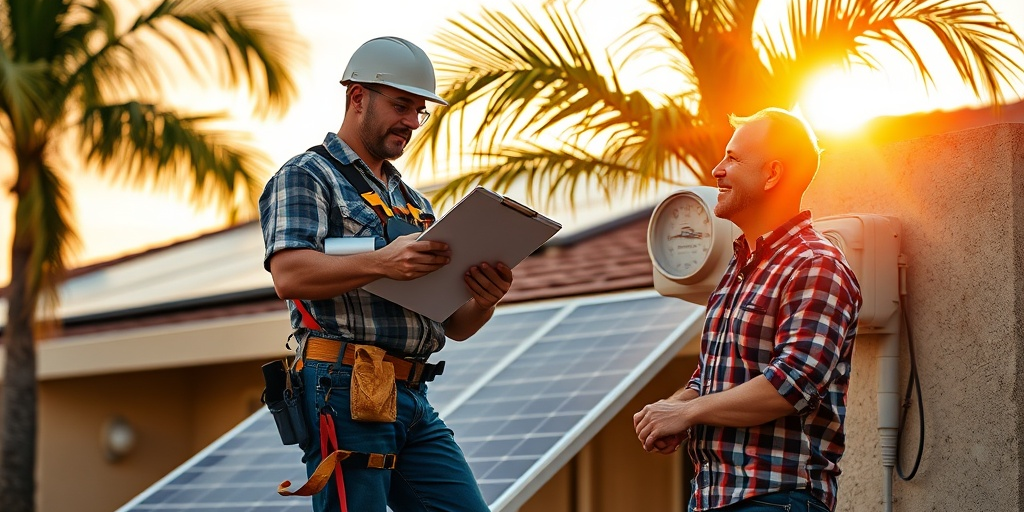
In the world of solar energy, the allure of sustainability and reduced utility bills can blind many homeowners to critical reality: neglecting proper solar panel maintenance is not an option. A study by the Solar Energy Industries Association (SEIA) estimates that solar energy installations in the U.S. have grown by over 167% in the last five years alone, and it is forecasted that this trend will continue into 2025 and beyond. As Florida homeowners increasingly look to capitalize on solar energy, many overlook one crucial factor: maintenance. You may be asking yourself, “If I install solar panels, will caring for them really matter all that much?” The answer is an unequivocal yes. Today, we delve into why it’s crucial to understand the potential risks of neglecting maintenance, as highlighted in our article titled Critical Warning: Don’t Overlook Solar Panel Maintenance Risks. The urgent need for this discussion stems from skyrocketing energy costs and evolving solar incentives that could otherwise turn your promising investment into an unwelcome financial burden. To help you navigate these challenges and protect your solar investment, we will cover five essential sections today:
1. An enlightening case study illustrating the consequences of inadequate maintenance.
2. A comprehensive checklist of actions you can take to safeguard your panels.
3. Common myths surrounding solar panel maintenance debunked.
4. A local focus on Florida regulations and feedback from our vibrant community of solar users.
5. A deep dive into the technical aspects of solar technology and billing implications.
Understanding the Risks: A Case Study on Neglected Solar Systems
Consider the story of Jay and Melissa, a young couple who decided to invest in solar energy for their home in Tampa, Florida, hoping to cut down on their electricity bills. When they first installed their solar panels, they were filled with optimism. They meticulously followed the advice from their installation company, ensuring the panels were positioned for optimal sunlight exposure. However, as the months passed and savings accumulated, they became complacent. They neglected routine maintenance checks and brushed aside minor issues like dirt accumulation and foliage encroaching on the panels.
Six months later, their system began underperforming. The couple noticed a dip in their energy savings and discovered through their monitoring app that their system was only producing about 70% of its potential output. After contacting their installer, they were informed that significant investments would be necessary to get their system back to peak performance, as neglecting maintenance had led to costly damages. They had assumed their investment was hands-off, but the reality was stark—their hesitance to maintain the system properly had jeopardized their significant financial commitment.
This case study is a sobering reminder that even the most advanced solar technology requires vigilance. A staggering report from EnergySage suggests that solar panel cleaning can improve efficiency by up to 20% per year, which directly contributes to long-term savings for homeowners who maintain their systems efficiently. A 2022 survey noted that 30% of Florida homeowners were unaware of their solar system’s maintenance needs (SolarReviews.com). If you are like Jay and Melissa, don’t let neglect become a hindrance to your investment — your solar energy system requires regular maintenance to operate efficiently.
Now, what can you do to ensure that your solar investment remains fruitful? Here’s our Step 1 to Step 5 framework:
- Conduct Regular Inspections: Schedule inspections bi-annually to assess the condition of panels and electrical connections.
- Clean Your Panels: Ensure your solar panels remain clean and free from debris, potentially even hiring professional cleaning services annually.
- Monitor Output Consistently: Use tools and apps to track energy production, alerting you to performance dips.
- Trim Overhanging Foliage: Regularly check for tree branches or plants casting shade on your panels, which can drastically reduce efficiency.
- Stay Informed on Warranties: Understand your warranty details, including coverage on components and maintenance obligations.
These crucial steps ensure that you protect your investment, allowing your system to operate efficiently for years to come. Don’t let routine maintenance fall to the wayside, akin to Jay and Melissa’s experience; their journey serves as a cautionary tale in a landscape where Florida homeowners, who are already leading the way in solar installations, miss vital steps toward optimization.
Debunking Solar Maintenance Myths
The conversation around solar panel maintenance often gets muddied by various misconceptions. Below, we debunk common myths that could lead Florida homeowners to overlook essential care for their systems:
- Myth #1: Solar Panels Are Self-Cleaning: Many believe that rain will remove all dirt and debris from solar panels. However, this isn’t the case; certain contaminants can resist rainwater, ultimately blocking sunlight and reducing efficiency.
- Myth #2: Maintenance Is Unnecessary if a Warranty Exists: While warranties cover defects in materials or workmanship, they typically don’t cover maintenance issues. Neglecting care can void warranties if neglect is found to be the cause of a problem.
- Myth #3: Once Installed, Solar Panels Will Work For Decades Without Attention: Solar panels do benefit from periodic attention. Systems can be impacted by weather damage, shifting components, or even pest intrusions; regular maintenance can mitigate these risks.
- Myth #4: It’s Too Expensive to Maintain Solar Panels: The cost of maintenance is often far less than the potential loss in energy production caused by neglect. The return on investment from maintenance reflects directly on energy bills long term.
- Myth #5: High-efficiency Panels Don’t Require as Much Maintenance: The efficacy of the panels has little impact on the necessity for maintenance. Even the best systems need care to reach their full potential.
Arming yourself with accurate information ensures that your solar journey remains as beneficial as it potentially can be. Remember, knowledge is power, and dispelling these myths helps facilitate proactive care.
The Florida Advantage: Local Focus on Solar Maintenance
The vibrant Sunshine State possesses unique attributes that affect solar panel maintenance, especially in regards to climate and legislation. Statistics unveil that Florida ranks third in the nation for solar energy generation, hosting over 2.5 gigawatts of installed solar capacity, and this figure continues to rise rapidly (FloridaSolar.org). While the state’s climate capitalizes on nearly year-round sunshine, factors such as hurricanes and heavy rainfall introduce complexities impacting solar infrastructure.
Florida homeowners should be aware of specific guidelines when maintaining their systems:
- Local Regulations: Familiarize yourself with local laws surrounding solar panel maintenance. Some municipalities have specific requirements for waste disposal related to panel cleaning.
- Storm Preparation: Prepare your panels for hurricane seasons by securing them and scheduling pre-storm inspections to prevent permanent damage from rising debris.
- Insurance Policies: Check your homeowners cover against natural disasters; confirm that your insurance extends its coverage to solar installations, ensuring prompt recovery after any severe weather.
As solar energy use surges, the community’s growth places demand on educational efforts that can further empower homeowners in their investment towards sustainability. Engaging with local solar experts through platforms, such as floridaelectricandsolar.com, can provide valuable insights into best practices tailored to Florida’s distinctive ecosystem.
Understanding Solar Technology and Its Maintenance Requirements
Many homeowners feel overwhelmed by the jargon that accompanies solar technology, and understandably so. Knowing precisely what components make up your solar system can enhance your maintenance awareness and decision-making significantly. Let’s discuss key components often overlooked:
1. Solar Panels: The most visible piece, they convert sunlight into electricity. It’s crucial to understand their efficiency ratings and cleaning needs, especially in a hot climate like Florida, which can encourage dirt accumulation.
2. Inverters: This electrical device transforms the direct current generated by solar panels into alternating current usable in your home. Over time, inverters might need recalibration or replacement if performance drops, often around the 5 to 15-year mark.
3. Battery Systems: Accumulating excess energy during sunny days for use at night is crucial for maximum savings. Regularly inspect these systems for wear and ensure they are functioning correctly.
4. Monitoring Equipment: These devices track your system’s performance, allowing you to identify issues as they arise. Be proactive in analyzing these data points; installing «smart» monitoring can play a vital role in your solar efficiency.
Understanding these components simplifies the technical aspects of maintenance. Regular assessments that describe the condition of each part are vital in avoiding unforeseen failures and maximizing service life. Your solar system’s health is integral to securing a seamless transition into the renewable energy realm.
Next Steps for Florida Solar Buyers in 2025
As the solar landscape evolves, so do the options available for homeowners looking to transition to solar energy. Below is a straightforward action plan:
- Step 1: Audit Your Electric Bill: Understand your energy consumption and identify potential savings to assess the appropriate solar system size.
- Step 2: Research Local Installers: Select reputable companies that specialize in solar energy services tailored to Florida, ensuring they offer maintenance checks and warranties.
- Step 3: Schedule a Consultation: A certified solar consultant can review your options, discuss system specifications, and answer your questions about installation timelines.
- Step 4: Finalize Financing Options: Assess tax credits, rebates, and financing plans available specific to Florida, such as the Property Assessed Clean Energy (PACE) program.
- Step 5: Commit to Maintenance Plans: Select a maintenance plan that complements your investment; signing contracts with your installer can often lead to reduced rates for ongoing care.
It’s essential to understand how to nurture your solar investment properly; damages from neglect can lead to long-term losses that negate the immediate benefits of going solar. For top-notch local expertise and services, explore floridaelectricandsolar.com.
Conclusion
The journey towards embracing solar energy is an exciting and rewarding one. As we’ve explored through stories, statistics, and practical advice, now is the time to emphasize the significance of system maintenance. The narrative of Jay and Melissa serves as a lesson, reminding us to remain proactive in our solar pursuits. Urgency abounds in 2025; from oscillating energy prices to rising seasonal variability, awareness towards solar maintenance risks can usher homeowners into a brighter, sustainable future. Act on the recommendations in this article, the benefits are substantial: reduced carbon footprint, lowered utility bills, and serene peace of mind.
So, what’s holding you back? Your solar power future awaits! Ready to start your solar journey in 2025? Connect with a certified expert at floridaelectricandsolar.com today.
Related Articles
More insights about Solar Panel

Florida Homeowners: Why Solar Panel Maintenance Is Essential

7 Essential Steps for Solar Panel Installation Success

Expert Insights: Key Factors Influencing Solar Panel Lifespan
Ready to Go Solar?
Have questions about solar energy? Our experts are here to help you make the switch to clean, renewable energy.