
Beginner’s Guide to Understanding Solar Panel Installation Options
Share:
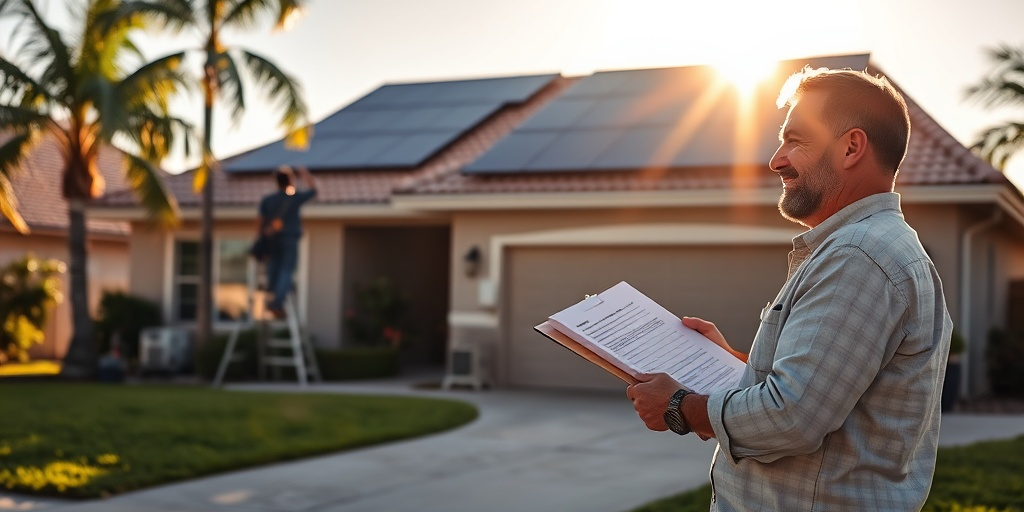
Imagine waking up each morning, knowing that you’re not just a homeowner in Florida but a pioneering participant in the solar energy revolution. How would it feel to cut your electric bills by over 50% while using clean energy? This becomes a tangible reality for many Florida homeowners, especially as we’re stepping into 2025 with unprecedented incentives, favorable policies, and an urgent need for sustainable solutions against rising energy prices in the wake of climate change. Welcome to the Beginner’s Guide to Understanding Solar Panel Installation Options, where we guide you through everything there is to know about harnessing the power of the sun.
Did you know that the U.S. solar market is projected to grow by 25% in 2025 alone (SEIA.org)? This surge reflects a broader shift toward renewable energy, with Florida ranking fourth nationwide for solar installations (Energy.gov). But why does this matter? Rising energy costs, improved battery storage options, and an unstable grid system have made going solar not just an option, but a necessity for many homeowners and businesses. In this comprehensive guide, we will delve into five critical sections to arm you with the knowledge to confidently choose the right solar panel system:
- Case Study: A Florida Family’s Solar Journey
- Essential Checklist for Your Solar Installation
- Myth-Busting Common Solar Misconceptions
- The Florida Advantage: Local Factors to Consider
- Understanding the Technical Aspects of Solar Power
Ready to dive in? Let’s explore how you can take control of your energy future and maximize your savings with solar power!
A Florida Family’s Solar Journey
Meet the Johnsons, a family of four living in Orlando, Florida. They were tired of unpredictable electricity bills and longing for energy independence. After conducting extensive research, they discovered the myriad benefits of solar power. With electric bills exceeding $250 each month, they knew this decision was not just financially wise, but crucial for their home’s environmental impact.
The Johnsons partnered with Florida Electric & Solar, who guided them through every step of the solar panel installation process. The team conducted a thorough evaluation of their home and energy usage, ultimately recommending a 9.5 kW solar system that could generate 11,300 kWh annually—yielding significant savings and a reduced carbon footprint. As they witnessed firsthand, choosing the right installation option could be transformative. After investing in solar power, the Johnsons began seeing their monthly electric bill decrease drastically, often down to less than $50.
To make the most of their solar investment, here’s a checklist they followed:
- Assess Your Energy Needs: Understand how much power your household consumes monthly.
- Evaluate Roof Space: Ensure you have enough area to offer optimal sunlight exposure.
- Investigate Incentives: Look into state and federal tax credits that lower upfront costs.
- Consult a Reputable Installer: Research local solar companies and read customer reviews.
- Understand Financing Options: Whether through purchasing, loans, or leases, evaluate all financial choices.
In their first year alone, the Johnsons reduced their carbon emissions equivalent to planting 90 trees—an added perk of harnessing solar energy. However, myths about solar systems can cloud decision-making. Let’s break down some misconceptions that often arise when considering a solar installation.
Myth-Busting Common Solar Misconceptions
Myth #1: Solar Panels Only Work in Sunny Weather. Many people believe sunny locales are the only places suitable for solar, yet solar panels can generate electricity even in cloudy conditions. In fact, studies reveal they can operate at about 25% efficiency in overcast weather (SolarReviews.com).
Myth #2: Solar Energy is Too Expensive for the Average Homeowner. While the initial investment may seem steep, the long-term savings on utility bills easily outstrip initial costs. In Florida, average payback periods for solar investments are around 5-7 years, and current incentives further mitigate these expenses.
Myth #3: Solar Systems Require a Lot of Maintenance. In reality, solar systems are incredibly low-maintenance. Most manufacturers offer warranties that cover 20–25 years, ensuring homeowners can enjoy hassle-free energy production.
Myth #4: Home Value Doesn’t Increase with Solar Installation. Numerous studies indicate that homes with solar panels tend to sell for more than comparable homes without them—often by as much as 4% (Zillow.com).
Myth #5: You Can’t Be Off the Grid with Solar Power. With the advent of solar battery storage options, homeowners can indeed become energy independent, relying solely on solar energy, even during outages.
Now that we’ve debunked some common myths related to solar installations, let’s turn our attention to why Florida specifically offers a unique incentive landscape favorable for solar investments.
The Florida Advantage: Local Factors to Consider
Florida is often called the “Sunshine State” for good reason. With more annual sunlight than most U.S. states—about 2,800 hours per year—it provides an excellent environment for solar installations. Here are key factors to consider:
- Net Metering: This utility policy lets solar system owners sell excess energy back to the grid, providing credit against future electricity bills.
- State Rebates: Florida has various state-sponsored programs that can aid in offsetting the initial costs of solar installations.
- Federal Tax Incentives: Homeowners can utilize the Federal Investment Tax Credit (ITC), which allows them to deduct a whopping 26% from the total installation cost from their federal taxes (DSIREUSA.org).
- Local Utility Incentives: Many local utility companies also provide additional incentives for installing solar panels, further lowering the initial investment burden.
- Climate Resilience: By investing in solar, homeowners can better prepare for unpredictable extreme weather events increasingly common due to climate change.
To make an informed decision on how much solar energy benefits your unique situation, partner with local experts. Visit floridaelectricandsolar.com for further resources on solar installations in Florida.
Understanding the Technical Aspects of Solar Power
As you venture deeper into the solar world, understanding the technical vocabulary and mechanics becomes essential for making informed choices. A solar panel system comprises several key components:
- Solar Panels: These convert sunlight into electricity. Their effectiveness is measured by efficiency rates; modern panels boast efficiencies ranging from 15-22% (Energy.gov).
- Inverters: Often referred to as the “brains” of your solar system, inverters convert direct current (DC) from the panels into alternating current (AC) used in homes.
- Batteries: A growing number of homeowners choose to invest in battery storage systems to store surplus energy, ensuring access during outages or at nighttime.
- Monitoring Systems: These enable users to track their energy production and consumption, offering insights into system performance over time.
- Racking Systems: The mounts that hold solar panels in place must be robust and appropriate for your roof type to ensure efficient, long-term power generation.
Understanding how these components interact will empower you to make more robust choices about your installation options. Consider engaging with a certified solar expert to explore the best technologies suited for your home or business.
Next Steps for Florida Solar Buyers in 2025
As we approach 2025, there has never been a better time to consider going solar. Use this actionable plan as your roadmap to navigate the installation process seamlessly:
- Step 1: Audit Your Electric Bill: Review your energy usage over the past year to determine whether solar power can significantly reduce your costs.
- Step 2: Assess Your Property: Ensure your roof is suitable and has enough exposure to sunlight for efficient solar generation.
- Step 3: Research Local Regulations: Familiarize yourself with any permits and regulations specific to your area that may affect your installation.
- Step 4: Compare Installer Options: Look for reputable solar companies; read reviews, and ask for quotations to ensure you receive the best deal.
- Step 5: Submit Your Application: Once you’ve selected a company and system, complete your application for permits and incentives.
Utilizing the expertise available at local providers can simplify this journey. You’re not just making a financial decision; you’re investing in a sustainable future. Visit floridaelectricandsolar.com for expert guidance on obtaining your solar installation.
Conclusion
As we have explored together, the pathway to solar energy is more than just about saving on electricity bills; it’s a journey toward owning your power, fostering a sustainable environment, and even increasing your property’s value. This comprehensive Beginner’s Guide to Understanding Solar Panel Installation Options provides you with valuable insights, facts, and actionable steps to ensure your journey is pragmatic and empowered.
The landscape of solar energy in 2025 is filled with potential—from financial incentives to sustainable energy practices that can help us combat climate change. There’s no better time than now to consider investing in solar panel technology and shaping a cleaner, greener future. We hope you walk away feeling inspired and informed about your solar options.
Ready to start your solar journey in 2025? Connect with a certified expert at floridaelectricandsolar.com today.
Related Articles
More insights about Solar Panel

Florida Homeowners: Why Solar Panel Maintenance Is Essential

7 Essential Steps for Solar Panel Installation Success

Expert Insights: Key Factors Influencing Solar Panel Lifespan
Ready to Go Solar?
Have questions about solar energy? Our experts are here to help you make the switch to clean, renewable energy.