
10 Essential Steps for Solar Panel Installation in Florida
Share:
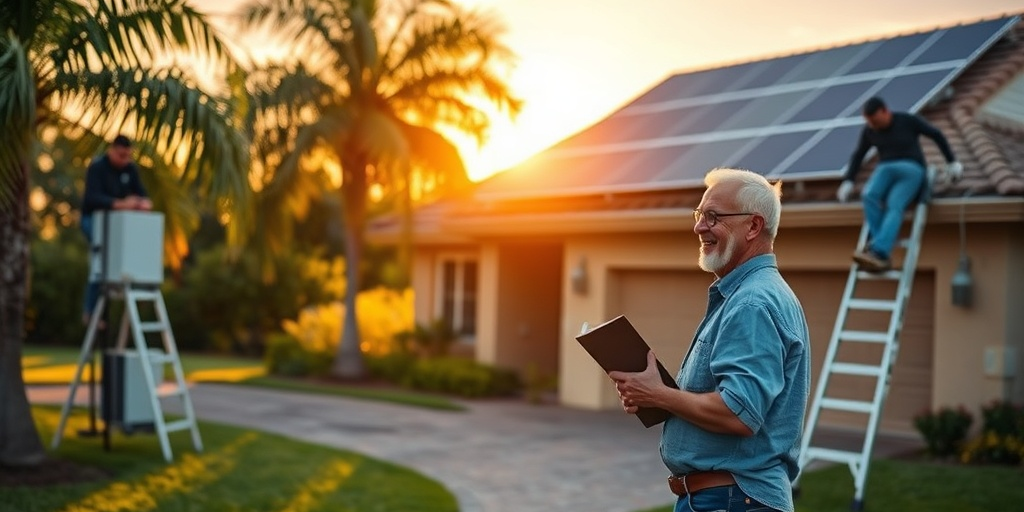
As residents of the Sunshine State, we are privileged to live in a region that receives some of the most abundant sunlight in the United States. In fact, Florida gets approximately 264 sunny days each year, making it an ideal location for harnessing solar energy. Did you know that in 2025, nearly 40% of homeowners in Florida are expected to embrace solar power as a viable option? With the increasing push for renewable energy and substantial financial incentives, now is the time to consider installing solar panels. Welcome to our guide on the 10 Essential Steps for Solar Panel Installation in Florida, where we will help you navigate through the process, ensuring you maximize your utility bill savings and enjoy the numerous benefits of solar energy.
As utility prices continue to rise—an average increase of 5% annually since 2020 (Source: SEIA.org)—more Floridians are looking for ways to cut costs. It’s crucial to act now amidst these newfound challenges and incentives to stimulate renewable energy adoption by the federal government. Knowing how to approach solar installation can alleviate concerns and set you on the right path for a brighter, more sustainable future.
In this post, we will break down the solar installation process into five key sections: Case Study, Checklist, Myth-Buster, Local Focus, and Technical Deep-Dive. You’ll gain actionable insights, understand common misconceptions, and be equipped with the knowledge required to make an informed decision about your solar energy journey in Florida.
Understanding Your Solar Installation: A Case Study Approach
Meet Sarah, a Florida homeowner who decided to go solar in 2025. Like many of her neighbors, Sarah found herself frustrated with soaring electricity bills, which had nearly doubled in just a few years. After researching options, Sarah discovered local solar incentives that not only could help her ease her financial burden but also significantly reduce her carbon footprint.
With a desire for both savings and sustainability, Sarah embarked on her solar journey. Here are the key steps she took:
- Research Solar Options: Sarah began by researching different solar panel technologies such as monocrystalline and polycrystalline. She looked for customer reviews to comprehend the efficiency and longevity of various brands.
- Consult Local Experts: Sarah contacted several local solar installation companies. It’s vital to work with certified installers like Florida Electric & Solar, ensuring all local regulations and incentives are handled properly.
- Home Energy Audit: She conducted a home energy audit to assess her energy consumption, providing insights into the energy needs she should address with her new solar system.
- Finalize Financing: Sarah evaluated different financing options, including solar loans, leases, and cash purchases. Ultimately, she chose a solar loan due to the immediate savings it provided.
- Installation Day: On installation day, Sarah watched as the team of professionals installed high-efficiency solar panels, which produced energy sufficient to cover her household’s needs.
- Net Metering Benefits: After installation, Sarah enrolled in her utility’s net metering program, allowing her to earn credits for unused energy fed back into the grid. For 2025, net metering is crucial, as Florida estimates solar generation to impact more than 2 million homes (Source: SolarReviews.com).
By following these essential steps, Sarah successfully transitioned to solar power, fulfilling her goal of reducing her utility bills. Her experience demonstrates the importance of a structured approach to solar installation, highlighting how research and collaboration with local experts can yield significant advantages.
Your Solar Installation Checklist
Now that we’ve seen how a Florida homeowner can successfully transition to solar energy, here’s a checklist to guide your process in 2025. Follow these essential steps for a smooth solar panel installation:
- Step 1: Assess Your Energy Needs
Understanding your current energy consumption is crucial. Review your past utility bills to determine how much energy you use and evaluate your home’s energy efficiency to identify areas for improvement. - Step 2: Evaluate Solar Potential
Identify roof space conducive to solar panel installation. Consider factors like the angle, direction, and shade from trees or neighboring structures. Conduct a solar assessment to determine potential energy savings. - Step 3: Research Local Solar Providers
Finding reliable solar installers is crucial. Look for licensed, experienced contractors like Florida Electric & Solar, and ensure they have positive reviews and a strong portfolio. - Step 4: Understand Financial Incentives
Stay informed on local, state, and federal incentives. Florida currently offers a property tax exemption on solar installations, and various rebate programs are in effect (Source: SEIA.org). Utilizing these can significantly reduce upfront costs. - Step 5: Choose Your Financing Option
Explore financing choices such as solar loans, leases, or cash purchases. Each option comes with distinct advantages, so pick one that aligns with your financial goals and present situation. - Step 6: Get Multiple Quotes
Request quotes from at least three different solar providers. Compare the proposals, focusing on total system costs, warranties, and performance guarantees to find the best option. - Step 7: Confirm Installation Date
Once you’ve selected a provider, lock in your installation date. Ensure all necessary permits and approvals are in place, which your installer will facilitate. - Step 8: Prepare Your Home
Ahead of the installation, clear the area for equipment, inform family members, and follow any specific preparatory guidelines given by your solar provider. - Step 9: Installation
On installation day, allow the professionals to take charge. They will ensure proper placement and wiring to maximize system efficiency and generation capacity. - Step 10: System Activation
After installation, your solar provider will activate the system. It may further require inspection and approval from the local utility for net metering, enabling you to benefit from credits on your energy bill.
By following this checklist, Florida homeowners can confidently navigate the solar installation process, setting themselves up for lasting savings and sustainable energy use.
Debunking Common Myths About Solar Energy
Despite the growing popularity of solar energy, numerous misconceptions linger among homeowners. Understanding these myths is key to making an informed decision when installing solar panels.
- Myth #1: Solar Power is Too Expensive
Many think that solar installation requires exorbitant upfront costs. While initial expenses can be significant, various financing options and state incentives can lower your financial burden dramatically, making solar energy much more accessible. - Myth #2: Solar Panels Don’t Work on Cloudy Days
This misconception stems from misunderstanding how solar panels operate. Modern photovoltaic panels generate electricity even on cloudy or rainy days, relying on diffused light. In fact, Florida’s climate provides ample sunlight all year round. - Myth #3: Solar Panel Maintenance is Complicated
Many believe that solar panel maintenance demands excessive time and effort. In reality, solar panels require minimal upkeep. Regular checks and occasional cleaning are usually enough to maintain efficiency. - Myth #4: Solar Power is Only for Large Homes
Homeowners often think only there is sufficient roof space for solar panels. In fact, even condos and smaller homes can benefit from solar. Options like community solar or using less space-efficient systems allow broader participation. - Myth #5: I Must Be Off-Grid to Use Solar
Some fear that adopting solar energy means completely disconnecting from their utility. While off-grid solar systems exist, most homeowners remain on the grid while enjoying the benefits of their solar installation and net metering programs, pairing energy independence with utility backup.
Local Considerations for Solar Installation in Florida
Florida offers a unique landscape for solar energy. Understanding localized solar policies and incentives will be beneficial to prospective solar buyers. Here are some prominent points to consider when going solar in Florida:
- No Sales Tax on Solar Power Systems: Florida waives sales tax on solar equipment, enhancing the overall savings for homeowners. This policy is a significant motivator for many adopting solar energy in 2025.
- Net Metering Availability: Many Florida utilities offer net metering programs that allow homeowners to receive credits for excess energy produced. More than 600,000 homes in Florida currently participate in this program, which is essential for alleviating electricity costs (Source: SolarReviews.com).
- Statewide Solar Loan Programs: The State of Florida provides various solar loan programs, easing the financial burden of installation. These options enable homeowners to pay for solar systems over time while enjoying immediate electricity cost savings.
By remaining informed on local policies and developments, Florida homeowners can strategically plan their solar investments and maximize their advantages.
Technical Deep-Dive: Understanding Your Solar Energy System
Solar energy systems inherently consist of various technical components such as solar panels, inverters, batteries, and monitoring systems. Understanding each component can empower homeowners to make informed decisions tailored to their energy requirements.
- Solar Panels: The heart of the solar system, panels transform sunlight into electricity. Two popular options include monocrystalline and polycrystalline panels, differing in efficiency and cost. Monocrystalline panels generally have higher efficiency ratings, making them ideal for smaller rooftops.
- Inverters: Inverters convert the direct current (DC) from solar panels into alternating current (AC) for household use. Microinverters and string inverters are the two common types, each with distinct advantages depending on the system layout.
- Batteries: Solar battery storage allows homeowners to store surplus energy generated during the day for use at night. With electricity rates expected to rise, investing in battery storage systems can provide energy savings and independence from traditional energy sources.
- Monitoring Systems: Monitoring systems track performance data and energy consumption. These tools offer real-time insights into energy production, enabling homeowners to optimize their systems for efficiency and savings.
Understanding the technical aspects of your solar system helps in making informed choices, ensuring optimal performance and value in your solar investment.
Next Steps for Florida Solar Buyers in 2025
For prospective solar buyers in Florida, taking decisive steps forward is essential. Below is a practical action plan to follow as you embark on your solar energy journey in 2025:
- Step 1: Audit Your Electric Bill
Review your utility bills, focusing on consumption patterns and costs. Identify opportunities where solar can provide savings aligned with your daily usage. - Step 2: Schedule a Solar Consultation
Contact reputable solar providers like Florida Electric & Solar for a detailed consultation. Assess your options based on your energy consumption, roof space, and local incentives. - Step 3: Review and Compare Quotes
Evaluate multiple quotes to ensure you understand the scope of work, costs, and timelines. Ask questions and clarify any uncertainties before moving forward. - Step 4: Secure Financing
Look into financing options that suit your budget, from solar loans to leasing. Weigh the immediate costs against long-term savings for a sustainable decision. - Step 5: Prepare for Installation
On installation day, be ready for a team of professionals to arrive and take the reigns. Clear the area and ask questions to understand system specifics and features. - Step 6: Monitor Your Savings
Post-installation, track your energy usage and savings. Use monitoring systems to gather insights on performance and make any necessary adjustments for maximized efficiency.
By following these actionable steps, you can streamline the solar panel installation process, paving the way for energy independence and financial savings in 2025.
As Florida homeowners increasingly embrace solar energy, understanding the installation process becomes crucial. The 10 essential steps outlined in this guide—culminating in a strategic action plan—will empower you to navigate your solar journey confidently. Transitioning to solar not only reduces your electricity bills but enhances your home’s value and contributes positively to the environment. Don’t miss the opportunity to join the solar energy revolution in 2025!
Ready to start your solar journey in 2025? Connect with a certified expert at floridaelectricandsolar.com today.
Related Articles
More insights about Solar Panel

Florida Homeowners: Why Solar Panel Maintenance Is Essential

7 Essential Steps for Solar Panel Installation Success

Expert Insights: Key Factors Influencing Solar Panel Lifespan
Ready to Go Solar?
Have questions about solar energy? Our experts are here to help you make the switch to clean, renewable energy.