
10 Essential Tips for Understanding Solar Panel Lifespan
Share:
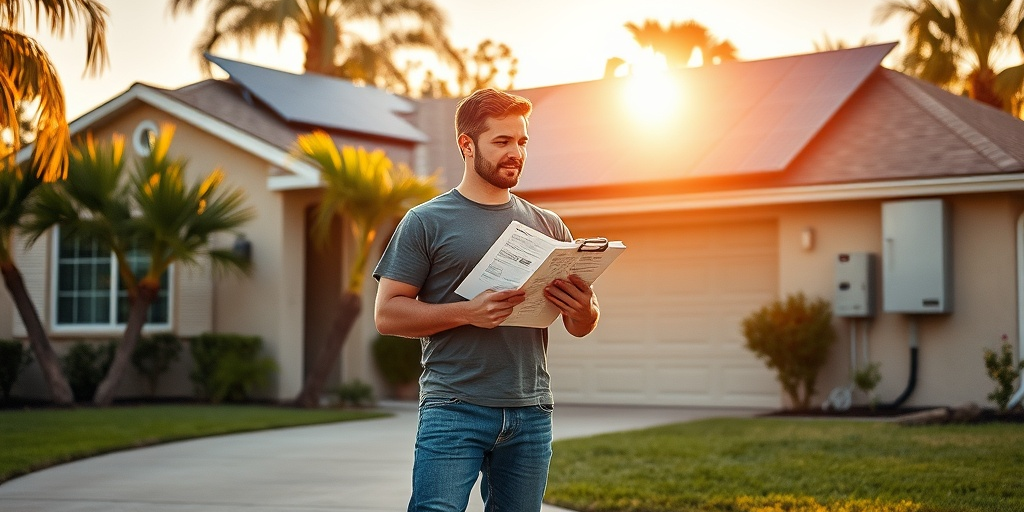
In recent years, solar energy has exploded as a legitimate alternative to traditional fossil fuels, with the average lifespan of solar panels capturing everyone’s attention. With many wondering, “Just how long do these panels last?” the truth is clearer than the skies of sunny Florida: Solar panels can generally last between 25 to 30 years, but there’s much more to the story. In this comprehensive article titled “10 Essential Tips for Understanding Solar Panel Lifespan,” we delve into the intricacies that affect not just the durability of solar energy systems, but also the financial implications for Florida homeowners and commercial property owners alike. According to the Solar Energy Industries Association, solar power is expected to contribute to approximately 20% of the nation’s electricity generation by 2030, up from just 3% today (SEIA.org). Furthermore, a recent study from the National Renewable Energy Laboratory indicates that correctly maintained solar panels can retain over 80% of their original production capability even after 25 years (NREL.gov).
As we move into 2025, understanding the lifespan of your solar energy investment is more urgent than ever. Rising energy costs are forcing homeowners to look for alternatives, while new solar incentives rolling out make the time ripe for investment. In Florida, where sunshine is abundant, the shift toward solar not only means lower electric bills but positions you as a forward-thinking property owner. Throughout this blog, we will explore five key sections that offer valuable insights:
- Section 1: What Affects Solar Panel Lifespan?—We will explore the factors that can impact longevity.
- Section 2: Essential Maintenance Practices—Tips for routine care to maximize efficiency.
- Section 3: Myths About Solar Lifespan—Debunking misconceptions that can sway your decision.
- Section 4: Florida-Specific Insights—Localized recommendations based on our unique environment.
- Section 5: Taking Action Now—Practical steps to get started with solar in 2025.
By the end of this article, you will be equipped with the knowledge to make an informed decision about solar energy for your home or business, leveraging efficient systems to cut costs while embracing sustainable energy solutions. So let’s dive into our first section!
What Affects Solar Panel Lifespan?
Understanding how long your solar panels will last depends on an array of factors, from the quality of materials used to the specific environmental conditions in Florida. This section will break down these influences through a fictional case study, actionable checklists, myth-busting information, local data, and a detailed technical analysis.
Case Study: The Overlooked Installation
Meet the Johnson family, proud homeowners in Orlando, Florida. They decided to invest in solar panels in 2020 after hearing about the long-term savings and increased property value. Unfortunately, during their installation, they encountered several common pitfalls: subpar installation practices and a lack of ongoing maintenance efforts. Over the years, they found that their once-promising solar system started underperforming due to issues that could have been avoided. After just five years, their energy output dropped to below 70% efficiency.
This case exemplifies how crucial it is to choose the right installation team and maintain your solar energy system. Studies reveal that the quality of installation can add up to 5 additional years to a panel’s lifespan (Energy.gov). The Johnsons realized the value of investing in a reputable installer, highlighting the importance of local expertise.
Checklist: Quality Assurance for Longevity
- Step 1: Choose certified installers who specialize in solar energy.
- Step 2: Ensure panels come with a comprehensive warranty.
- Step 3: Look for high-efficiency models that provide superior output.
- Step 4: Schedule regular inspections to catch issues early.
- Step 5: Invest in high-quality inverters and batteries for long-term performance.
These steps contribute to a smoother solar experience, especially in Florida, where intense heat and monsoons can affect equipment longevity.
Myth-Buster: Common Misconceptions
- Myth #1: Solar panels need constant replacement.
The truth is they can last over 25 years if properly maintained. - Myth #2: More sunshine means better performance, regardless of location.
Actual location matters; things such as shading from trees or buildings can significantly reduce efficiency. - Myth #3: Solar energy is too expensive for most homeowners.
When you factor incentives and cost reductions over time, solar often becomes cost-effective compared to traditional energy sources.
By busting these myths, we aim to clear misconceptions that may prevent homeowners from making a positive switch to renewable energy. In fact, Florida offers multiple tax incentives to reduce overall installation costs, making it an attractive choice (DSIREUSA.org).
Florida-Specific Data
In Florida, solar energy is more than a trend; it’s an essential aspect of life for many homeowners. According to a report from the U.S. Department of Energy, Florida ranks among the top states for solar capacity installations (Energy.gov). Given that it experiences an average of 237 sunny days a year, the potential for output is substantial. However, local hurricanes and thunderstorms can pose a risk to solar panel durability, underlining the necessity of robust installation and consistent maintenance.
Technical Deep-Dive
The longevity of solar panels also depends on the materials used in their construction. Most solar panels are made from silicon, but advancements have introduced other materials that boast longer lifespans and higher energy retention. High-efficiency panels can convert around 20-25% of sunlight into usable electricity. Inverters generally require replacement after 5-10 years, and using top-tier components can mitigate the costs of replacing entire systems down the line. Thus, while solar panels are designed to give you free energy for decades, related equipment should also be factored into your plan.
Essential Maintenance Practices
Did you know that annual maintenance can boost your solar panel lifespan considerably? Embracing regular upkeep not only ensures efficiency but also prolongs the life of your system significantly. This section will highlight actionable guidelines, featuring an easy-to-follow list, relevant statistics, and a link to further resources.
The Importance of Regular Maintenance
Regular maintenance is crucial for maximizing the lifespan of your solar panels. Research indicates that overlooked maintenance can lead to a loss of up to 20% in efficiency (SolarReviews.com). Routine care ensures your system continues to function optimally and yields significant returns over time.
Maintenance Checklist
- Step 1: Regularly clean your solar panels to remove dust and debris, especially after major storms.
- Step 2: Inspect your panels every six months for any visible damage.
- Step 3: Ensure that trees or structures don’t obstruct sunlight hitting your panels.
- Step 4: Check the inverter display to ensure it’s producing energy as expected.
- Step 5: Hire professionals for annual maintenance to catch underlying issues.
By adhering to this checklist, you can significantly enhance your solar system’s performance. For additional guidance, visit our website at floridaelectricandsolar.com.
Why Maintenance is Non-Negotiable
When homeowners fail to engage in regular checks and cleaning, they risk losing significant energy efficiency. For instance, studies show that dirty solar panels can lose up to 25% of their effectiveness (Energy.gov). By making these maintenance tips a priority, you can enjoy optimal energy production throughout every sunlit day.
Professional Help vs. DIY Maintenance
While minor cleaning and inspections can be performed by homeowners, involving professionals can be beneficial. Licensed technicians can assess complex elements like electrical connections and monitor your system’s efficiency effectively. Plus, a thorough annual inspection can unearth issues that could escalate if left unattended, making it a wise investment (Energy.gov).
Myths About Solar Lifespan
Myths and misconceptions can lead to misguided decisions for potential solar buyers. In this section, we’ll dismantle the most common misunderstandings about how long solar panels last so you can make an educated choice.
Myth-Buster Rundown
- Myth #1: They lose efficiency over time—and fast.
Solar panels do degrade, but the loss is gradual, with most panels retaining 80% of their original production after 25 years (SEIA.org). - Myth #2: Warranty claims are hard to make.
Reputable manufacturers offer warranties typically covering 25 years, ensuring peace of mind. - Myth #3: Only high-end panels last.
It’s not just about price; look for reputable brands known for durability. - Myth #4: Sunlight always means energy generation.
Factors like orientation and shade can impact output, regardless of sunny days. - Myth #5: You need to replace your entire system as technology advances.
Upgrading is possible, but many can upgrade inverters or battery storage without replacing panels.
Florida-Specific Insights
What many don’t realize is that Florida’s unique climatic conditions can both benefit and challenge solar panel longevity. The abundance of sunlight in our state makes solar energy an attractive option. However, issues such as high humidity and stormy weather can be a concern. This section will further explore how to navigate these challenges while maximizing solar efficiency.
The Impact of Florida Weather on Solar Panels
Florida’s year-round sunny climate is ideal for solar panels; however, the state’s frequent storms can be worrisome. Reports indicate that innovative solar technology has adapted to these conditions, allowing for durable designs capable of withstanding hurricanes (SolarReviews.com). Moreover, pressurized installations allow panels to vent heat more effectively, ultimately enhancing their durability.
Best Practices for Florida Residents
- Install impact-rated panels: These can endure extreme weather conditions effectively.
- Place panels strategically: Avoid amenity trees to ensure unobstructed sun exposure.
- Consider roof orientation: South-facing roofs generally garner the best sunlight exposure.
With these practices, Florida homeowners can significantly reduce the risks posed by the state’s weather while reaping the benefits of renewable energy (DSIREUSA.org).
Taking Action Now
So, what are the next steps for Florida residents considering solar options for 2025? To make the most of affordable, sustainable energy sources, follow this practical action plan designed to guide you through the solar journey.
Next Steps Checklist
- Step 1: Audit your electricity bill—understand your current usage to estimate savings.
- Step 2: Research local solar companies with proven records of excellence.
- Step 3: Get multiple quotes and compare services offered.
- Step 4: Learn about potential tax credits and state laws applicable to solar energy.
- Step 5: Make an informed choice—select a solar provider that meets your needs.
With this checklist in hand, you’ll be better equipped to navigate your journey toward solar energy. Don’t forget to check out our resources at floridaelectricandsolar.com for updates, tips, and expert assistance.
Conclusion
As we conclude this exploration of solar panel lifespan, we hope you now understand the many facets influencing this crucial investment. By choosing high-quality panels and engaging in regular maintenance, you can enjoy decades of renewable energy and financial savings. The knowledge gained from the case studies, checklists, myths busted, and Florida-specific insights should empower you as you embark on your solar journey.
Now, more than ever, is the perfect time to explore solar energy options. The benefits are vast—regain control over your energy bills, contribute to environmental sustainability, and increase your home’s value. Don’t wait; as energy costs continue to rise, the time to act is now.
Ready to start your solar journey in 2025? Connect with a certified expert at floridaelectricandsolar.com today!
Related Articles
More insights about Solar Panel

Florida Homeowners: Why Solar Panel Maintenance Is Essential

7 Essential Steps for Solar Panel Installation Success

Expert Insights: Key Factors Influencing Solar Panel Lifespan
Ready to Go Solar?
Have questions about solar energy? Our experts are here to help you make the switch to clean, renewable energy.