
10 Critical Questions About Solar Panel Installation You Must Ask
Share:
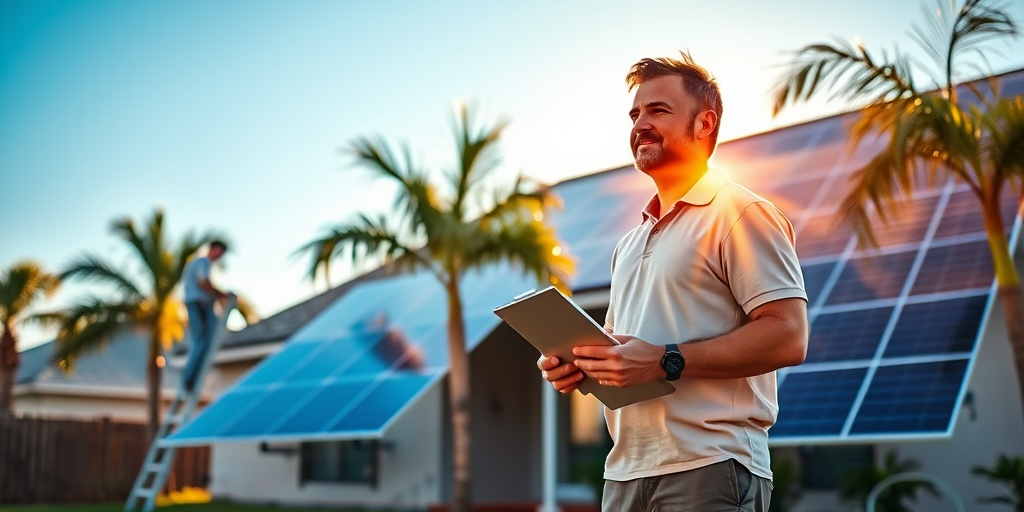
As we approach 2025, the solar revolution is in full swing, with more Florida homeowners and commercial property owners considering this sustainable energy source than ever before. Did you know that solar energy can reduce your electricity bill by up to 90%? Or that Florida ranks second in the nation for solar energy generation, with approximately 5 gigawatts installed across the state (SolarReviews.com)? With rising utility costs, recent state incentives, and growing environmental consciousness, it’s more critical than ever to make informed decisions about solar panel installation.
In this blog post titled “10 Critical Questions About Solar Panel Installation You Must Ask,” we will guide you through essential inquiries that can significantly impact your investment and overall satisfaction with your solar system. Whether you are skeptical about technology or overwhelmed by options, our checklist will prepare you to navigate this dynamic energy landscape.
Why does this topic matter so urgently in 2025? First, new legislation may provide you with incentives to adopt solar energy, but understanding how to leverage them is crucial. Second, with climate change concerns exacerbating weather unpredictability, securing your energy independence is vital for both your home and business. As you read through this post, expect five crucial sections that will empower you with knowledge:
- A case study involving a Florida homeowner’s solar journey
- A comprehensive checklist of critical questions to ask contractors
- A myth-buster section debunking common misconceptions about solar energy
- A local focus on Florida’s unique solar landscape
- A technical deep dive into solar systems and installation practices
Let’s dive into the first section to empower you with real knowledge and actionable information.
Understanding Solar: A Florida Homeowner’s Case Study
Meet Jenna, a homeowner in Orlando, who recently decided to install solar panels. Jenna had been paying hefty electric bills, especially during the hot summer months when the air conditioning was running non-stop. After researching, she understood the potential savings from solar energy. With utility rates expected to rise annually by about 3%, she took the plunge. What questions did she ask before making this significant investment?
- What is the total cost of installation?
Jenna learned that the cost varies significantly based on system size, equipment quality, and installation complexity. She aimed for a reputable small to medium-sized installer to ensure personalized service, which was vital for her. - What financing options are available?
Understanding the financing landscape helped Jenna find options that suited her budget. Many Florida solar companies, including Florida Electric & Solar, provide flexible financing plans, including loans and leases. - Will I qualify for state and federal incentives?
By learning about the 26% federal tax credit and Florida-specific rebates, Jenna realized her investment could yield a return much quicker than she anticipated. - What warranties are included?
Jenna discovered warranties could vary considerably, covering the inverter, panels, and installation. Reliable warranties give homeowners peace of mind, knowing they are protected against poor craftsmanship or defective products. - What type of maintenance will I need to do?
She learned that keeping panels clean and free of debris helps maximize efficiency, and she appreciated that this maintenance was minimal.
By asking these key questions, Jenna not only ensured her solar installation would provide substantial benefits but also contributed to a sustainable future. With nearly 40% of her energy needs now covered by her new solar system, she also enjoys a mindset of energy independence.
Transitioning to solar energy isn’t just about cost; it’s also about environmental responsibility and resilience in the face of climate change. But it all begins with asking the right questions. This case study highlights the power of knowledge—when homeowners ask informed questions, they shape their solar journeys favorably.
Checklist: 10 Critical Questions You Must Ask
As you embark on your solar journey, here’s a detailed checklist of critical questions to ask potential installers:
- What experience do you have with solar installations in Florida?
It’s crucial to partner with a company familiar with Florida’s energy regulations and climate conditions. - How long does the installation process typically take?
This gives you an idea of scheduling and any unexpected delays you might face while transitioning to solar. - Can you provide references from past clients?
Testimonials from local clients can provide insights into the company’s reliability and workmanship. - What types of panels and inverters do you recommend?
Understanding the technology will help you weigh the quality vs. cost dynamic, as advanced systems often yield better efficiency. - Will my property require any structural modifications?
Especially in older homes, knowing if you need to make changes to your roof or electrical system is essential for accurate budgeting. - How do you handle system monitoring after installation?
Monitoring is crucial for understanding system performance and ensuring everything functions correctly. - What happens if I sell my home?
It’s important to discuss transferring solar benefits to new homeowners or how to manage liens. - What if there are problems post-installation?
Understand the process for troubleshooting issues, including repair services and response times. - How will my solar system affect my property taxes?
In many cases, Florida has favorable policies regarding property taxes for solar installations, helping you save additional costs. - What is your installation warranty and support policy?
A solid warranty combined with reliable post-installation support can save you a lot of headaches down the line.
This checklist serves as a roadmap to ensure you make educated decisions about your solar investment. Each question builds upon the next, ultimately leading you toward a clean energy future while safeguarding your interests. If you’re ready to begin your solar journey, consider consulting with the experts at floridaelectricandsolar.com.
Myth-Buster: Debunking Common Misconceptions About Solar Energy
Many myths are associated with solar energy, often discouraging potential users. Let’s bust some of these pervasive misconceptions:
- Myth #1: Solar Panels Are Too Expensive
While there is an upfront cost, the long-term savings and incentives significantly lower the total investment. Considering that solar panel prices have dropped by 70% since 2010, the value proposition is better than ever (SEIA.org). - Myth #2: Solar Doesn’t Work During Cloudy Days
Many homeowners believe that solar panels are ineffective on cloudy days. In reality, solar systems can still generate power even in partial sunlight, capturing diffuse light efficiently. - Myth #3: Solar Energy is Only for Eco-Conscious People
While environmental benefits are significant, the economic value associated with reducing or eliminating energy bills attracts various homeowners, regardless of their environmental stance. - Myth #4: Installing Solar Panels Requires Too Much Maintenance
Solar panels require minimal maintenance. Simply rinsing them occasionally is often sufficient to keep them functioning optimally. - Myth #5: Solar Energy is Inefficient
Modern solar panels can convert solar energy into electricity with over 20% efficiency. Technological advancements continually improve the effectiveness of solar solutions.
By dispelling these myths, you can approach your solar journey with clarity and confidence. It’s crucial to get your information from reputable sources and to have open discussions with potential installers to separate fact from fiction.
Local Focus: Florida’s Solar Landscape
As you consider solar installation in Florida, it’s essential to understand the state-specific landscape that influences your solar investment. Florida boasts abundant sunshine, ranking among the top states for solar potential. With recent legislative measures aimed at promoting solar initiatives, now is an ideal time to explore your solar options.
Here are some crucial factors to consider that pertain specifically to Florida:
- Net Metering Policies: Florida allows net metering, which credits solar system owners for excess energy sent back to the grid. This can significantly enhance your return on investment while providing energy credits against future bills.
- Property Tax Incentives: In Florida, solar installations are exempt from property taxes. This means your home’s value can increase without impacting your tax obligations, enabling you to maximize your investments.
- Florida Solar Rebate Program: The state offers rebates for residential solar systems, which can offset the initial costs and provide an immediate financial advantage.
- Solar Energy and Resilience: Florida’s energy demands are often at their peak on hot summer days when solar production is highest. By investing in solar, homeowners reduce reliance on the grid during critical hours, enhancing resilience.
- Local Solar Providers: Working with local solar providers like Florida Electric & Solar ensures you partner with someone familiar with state regulations and responsive to your community needs.
As you can see, the socio-economic landscape of Florida presents a unique opportunity for energy independence through solar solutions. By equipping yourself with knowledge and engaging local resources, you’ll be well on your way to harnessing the Florida sun efficiently.
Technical Deep Dive: Understanding Your Solar System
Understanding the technology behind solar energy can be overwhelming, but it’s crucial for making informed choices. Let’s break down the core components of a residential solar energy system:
- Solar Panels: These convert sunlight into electricity. There are two main types: monocrystalline and polycrystalline. Monocrystalline panels offer higher efficiency but come at a higher cost, while polycrystalline panels are comparatively less efficient but more affordable.
- Inverters: The inverter acts as the brain of your solar system, converting direct current (DC) generated by the panels into alternating current (AC) used in your home. Advanced inverters also provide monitoring capabilities to track performance.
- Battery Storage: With rising interest in energy independence, battery storage systems allow homeowners to store excess energy generated during the day for use at night or during power outages. This elevates the self-consumption capabilities of your solar system.
- Monitoring Systems: Many advanced solar systems come with monitoring options that allow you to track energy production in real-time. Understanding how your system is performing can make a significant difference in maintaining optimal efficiency.
- Electric Meter: Your electric meter will display the net consumption of electricity. With net metering, you can see the energy credits you’ve earned from excess production, ensuring you maximize your savings.
By understanding the technical elements of your solar system, you can take proactive steps to ensure its optimal performance. Detailed knowledge will also help you ask the right questions during installation discussions, setting the groundwork for a successful solar investment.
Next Steps for Florida Solar Buyers in 2025
Taking the plunge into solar energy is an empowering step that many Florida homeowners are considering for 2025, and getting started doesn’t need to feel overwhelming. Here’s a straightforward action plan:
- Audit Your Electric Bill:
Review your last few months of bills to understand your energy consumption patterns and costs. Knowing your average monthly charges will guide you in assessing potential solar savings. - Research Local Incentives:
Familiarize yourself with state and local incentives available for solar installations. Connecting with professionals at floridaelectricandsolar.com can provide you with the latest information. - Gather Quotes from Reputable Installers:
Contact several local installers to compare quotes, equipment offerings, and installation processes. Be sure to ask the critical questions we discussed earlier. - Assess Financing Options:
Explore available financing plans, including solar loans and leases. Your financial landscape will impact your decision, and understanding these options will help you choose wisely. - Schedule Site Evaluations:
Once you narrow down your choices, schedule site evaluations with potential installers. They’ll assess your roof’s suitability and provide precise recommendations for your specific situation.
This action plan lays out a clear path, reducing friction as you embark on your solar journey. Each step focuses on enhancing your understanding and confidence in making a solar investment. The power to choose solar energy lies in your hands—as does the future of your energy independence.
In conclusion, transitioning to solar energy in Florida is not just a smart financial decision; it’s a personal step toward environmental stewardship and energy autonomy. By asking the right questions, dispelling myths, and educating yourself about local incentives and technology, you can make an informed decision about solar panel installation.
Remember Jenna’s journey? Her story exemplifies the empowerment gained from knowledge, as she confidently transformed her home into a sustainable energy haven. Now is the time for you to embrace the solar revolution and enjoy the long-lasting benefits of lower energy bills and a reduced carbon footprint.
Ready to start your solar journey in 2025? Connect with a certified expert at floridaelectricandsolar.com today.
Related Articles
More insights about Solar Panel

Florida Homeowners: Why Solar Panel Maintenance Is Essential

7 Essential Steps for Solar Panel Installation Success

Expert Insights: Key Factors Influencing Solar Panel Lifespan
Ready to Go Solar?
Have questions about solar energy? Our experts are here to help you make the switch to clean, renewable energy.