
10 Quick Tips for Florida Homeowners About Solar Panel Maintenance
Share:
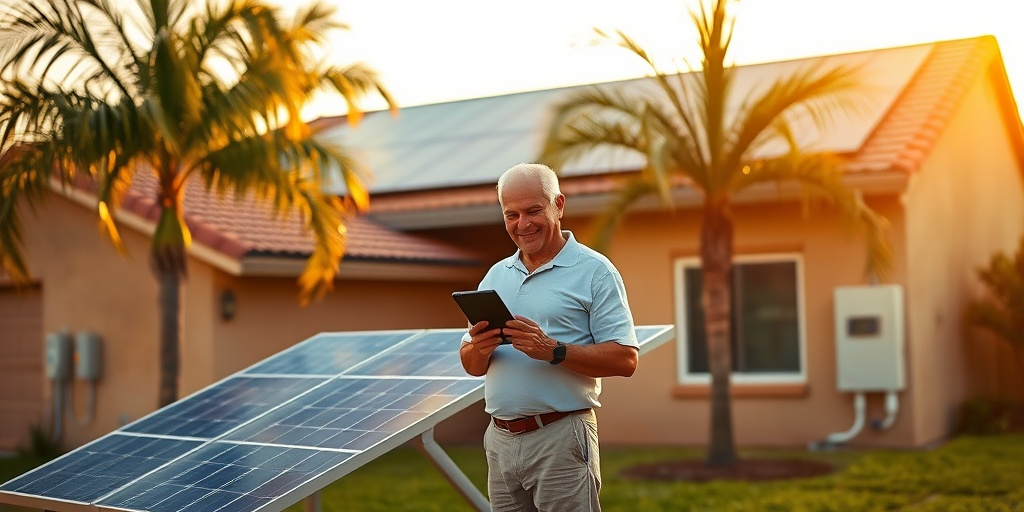
As a Florida homeowner, nothing is quite as empowering as seeing the energy bills drop month after month, thanks to your solar panels. Did you know that, on average, Florida homeowners who make the switch to solar can save over $20,000 over the lifespan of their solar system? This staggering figure reflects the growing trend towards solar energy in the state, with solar installations increasing by 128% in the past year alone (SEIA.org). But as we near 2025, the urgency to maintain this investment has never been higher. The rise in electric rates and the uncertainty regarding fossil fuels push homeowners to maximize their energy savings through reliable maintenance. That’s why we present to you our guide titled “10 Quick Tips for Florida Homeowners About Solar Panel Maintenance.” These tips will ensure your system is functioning optimally, thereby enhancing your energy independence and financial freedom.
Throughout this article, we’ll cover essential maintenance practices that will not only keep your solar panels clean and efficient but also extend the life of your investment. We will delve into the stories of Florida residents, comprehensive checklists, debunk common myths, highlight local specifics, and provide a deep technical insight into your solar panels. Each section is designed to educate and enable you to take control of your solar energy journey.
The importance of this knowledge can’t be overstated. With new state incentives and rebates rolling out for solar energy systems by 2025, there’s never been a better time to invest—and properly maintain—your solar setup. Let’s explore these 10 critical tips that will guide you through the maintenance of your solar system.
Case Study: The Resilient Harris Family
Consider the Harris family from Orlando. In 2018, they decided to go solar after realizing how much they could save on their electric bills. They installed a 12-kilowatt system and, after monitoring their usage—and diligently maintaining their solar panels—realized over $15,000 in savings by 2023! Their proactive approach included regular inspections, cleaning, and immediate repairs whenever needed.
After the first year, they noticed a slight decrease in energy production. Instead of letting this deter them, the Harrises decided to consult a solar expert. They discovered that a few branches from a nearby tree had begun to shade their panels. By trimming those branches, they boosted their energy production by 15%. This simple act reinforced their belief that regular maintenance is just as essential as the original installation.
Here are the maintenance practices that the Harris family implemented, which you can also follow:
- Step 1: Inspect Regularly – Check panels for dirt or debris, and look for any potential shade from overhanging trees.
- Step 2: Clean Panels – Rinse your solar panels with water or use a gentle cleanser in case of stubborn dirt.
- Step 3: Monitor Performance – Keep an eye on your energy production and compare it to historic records.
- Step 4: Schedule Professional Inspections – At least once a year, hire a certified technician for a comprehensive inspection.
- Step 5: Document Everything – Maintain a log of all maintenance activities and repairs, as this can come in handy for warranties.
This approach has not only preserved the efficiency of the Harris family’s system but has also helped them remain engaged and aware of their energy consumption habits. Keeping your solar system in top condition is a crucial practice that can lead to significant long-term financial benefits.
Checklist: 10 Essential Maintenance Tasks
Maintaining your solar panels doesn’t have to be daunting. Here’s a detailed checklist focusing on the ten essential tasks that every Florida homeowner should consider:
- Inspect your panels twice a year for any physical damage or dirt accumulation. Ensure there are no obstructions causing shadowing.
- Clean your panels at least twice a year. Depending on your local environment, you may need to increase this frequency. Ensure to use non-abrasive materials.
- Monitor your inverter regularly. Check the lights on your inverter—green means everything is functioning well, while red or blinking colors indicate a problem.
- Check for pests. Birds and rodents can sometimes take residence and cause damage. Installing deterrents can help.
- Document performance metrics annually. Track system output regularly to detect any changes in performance.
- Study your electric bills to see if they align with your expected savings, confirming your system is performing optimally.
- Ensure safety checks are performed on wiring to prevent hazards over time.
- Maintain surrounding vegetation. Regularly prune trees or vegetation that may encroach upon your solar panels.
- Know when to call a professional. If you notice anything unusual or suspect a malfunction, consult a certified solar technician immediately.
By following this checklist, you ensure that your solar power system continues to deliver optimal performance and longevity. This simple yet effective maintenance plan allows you to maximize energy savings and minimize unexpected costs. For more information about maintaining your solar system, you can visit floridaelectricandsolar.com.
Myth-Buster: Debunking Common Misconceptions About Solar Maintenance
Myth #1: Solar panels don’t require maintenance. This is a common belief that can lead to poor system performance. Like any significant investment, solar panels need regular care to ensure they work efficiently.
Myth #2: Rain is enough to clean my panels. While rain can help, it often isn’t sufficient to remove all dirt and grime, particularly in areas where dust and pollen are prevalent.
Myth #3: Solar panel warranties cover all maintenance. Many warranties cover manufacturing defects, but not regular wear and tear or the consequences of neglect.
Myth #4: Only professionals can clean solar panels. While professionals are recommended for deep cleaning, homeowners can clean their panels with the right tools and safe methods.
Myth #5: I should wait for a problem before getting maintenance. By the time issues arise, they may have already caused performance problems, leading to expensive repairs. Proactive maintenance is the key to system longevity.
By debunking these myths, Florida homeowners can confidently approach their solar maintenance routine. Embracing the reality of solar care can prevent costly mistakes and encourage optimal energy production.
Local Focus: The Florida Solar Landscape
Understanding the specifics of Florida’s solar landscape is crucial for successful maintenance. Florida has experienced unprecedented solar growth, leading it to become one of the top states for solar energy production in the U.S. As of late 2023, there are over 1 million solar installations in Florida alone (SolarReviews.com). The increased number of installations often means more competition among service providers, which can affect maintenance service quality. Here’s what to keep in mind:
- Weather Challenges: Florida’s weather conditions—specifically hurricanes and heavy rains—impact solar panel installation and maintenance. While modern panels are designed to withstand harsh weather, periodic checks are essential to ensure they are damage-free.
- Energy Rate Fluctuations: Florida’s electric rates have seen a continual increase. Staying on top of maintenance keeps your production high, countering rising energy costs.
- State Incentives: As incentives expand throughout 2025, being informed about rebates and tax credits is essential. Homeowners who maintain their systems properly will benefit most from these programs.
- Local Regulations: Always stay updated with local solar energy policies and permits as they can affect both installation and the necessity for maintenance services.
By focusing on these local factors, Florida homeowners can tailor their maintenance plans to address the specific challenges and advantages associated with solar energy in the Sunshine State. For more insights into Florida’s solar landscape, visit floridaelectricandsolar.com.
Technical Deep-Dive: Understanding Your Solar System
A comprehensive understanding of how your solar system works will significantly help you in maintenance. The two crucial components are the photovoltaic (PV) panels and the inverter.
1. Photovoltaic Panels: They convert sunlight into electricity. Regularly inspect them for dirt, grime, and shading conditions that can impede performance; a clean panel is essential for optimal output.
2. Inverter: This component converts direct current (DC) produced by the panels into alternating current (AC) used in homes. Monitoring your inverter for signs of faults (like warning lights) is crucial for timely interventions.
3. Battery Systems: If you have a solar battery in your setup, regular health checks are vital. Ensure that your battery is functioning properly, as it does more than store energy—it myalso enhance efficiency, especially for homes opting for off-grid solutions.
Adopting a technical perspective on your solar systems means staying informed about potential upgrades that can improve efficiency, such as microinverters or battery storage solutions. Data from the National Renewable Energy Laboratory confirms that properly maintained systems can achieve performance ratios exceeding 80%, compared to those that neglect care, which often remain below 65% (NREL.gov).
Next Steps for Florida Solar Buyers in 2025
As we approach 2025, the solar landscape is changing rapidly. Here is your action plan to capitalize on this shift:
- Audit Your Electric Bill: Analyze past bills to understand your current energy usage and identify savings.
- Evaluate Your Current System: Assess your existing solar panels and inverter for performance metrics and any needed maintenance.
- Research Local Incentives: Look into Florida’s incentives for solar energy. Take advantage of any state or federal programs that can reduce the financial burden.
- Schedule an Expert Inspection: Whether it’s your first or annual inspection, a qualified technician can identify hidden issues.
- Join Community Solar Programs: These programs can allow access to solar energy even if your roof isn’t suitable for panels.
By actions consistently practiced in the maintenance of solar systems, you can enjoy the full advantages of your solar investment, leading to lower utility bills and increased home value. For an in-depth residential solar energy assessment, visit floridaelectricandsolar.com.
Maintaining your solar panels is essential to ensuring that your investment yields the maximum benefit. By leveraging these tips, you can maximize your energy savings while contributing to a sustainable future. Take these proactive steps to protect not only your financial interests but also the environment.
Ready to start your solar journey in 2025? Connect with a certified expert at floridaelectricandsolar.com today.
Related Articles
More insights about Solar Panel

Florida Homeowners: Why Solar Panel Maintenance Is Essential

7 Essential Steps for Solar Panel Installation Success

Expert Insights: Key Factors Influencing Solar Panel Lifespan
Ready to Go Solar?
Have questions about solar energy? Our experts are here to help you make the switch to clean, renewable energy.