
10 Quick Tips for Understanding Solar Panel Maintenance
Share:
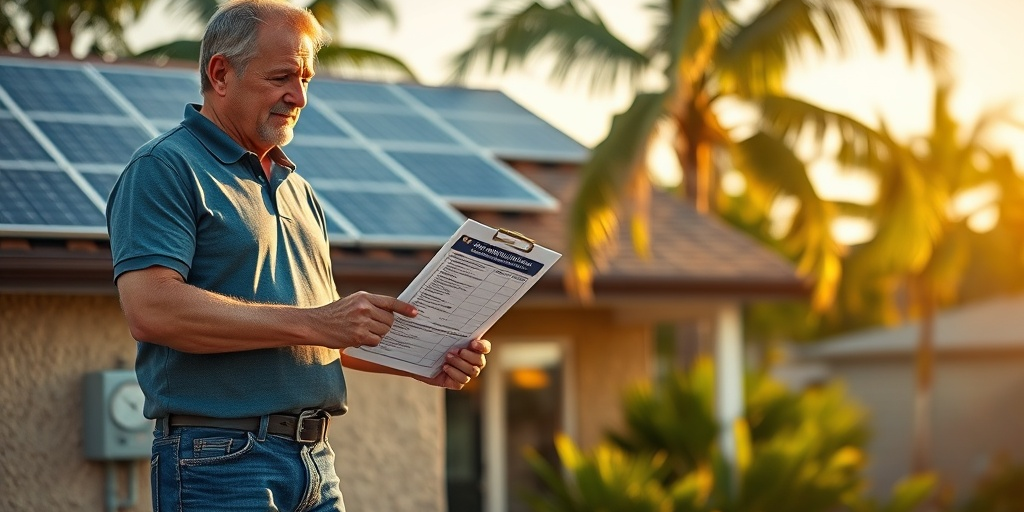
As a Florida homeowner, did you know that solar energy can save you thousands on your electricity bills while also helping the planet? In 2023, Florida was ranked second in the United States for solar power capacity installed, boasting over 5.5 gigawatts (GW) of solar energy (SEIA.org). Yet, despite the increasing adoption, many still struggle when it comes to understanding solar panel maintenance. That’s why we present to you today our comprehensive guide titled 10 Quick Tips for Understanding Solar Panel Maintenance. With rising energy costs and new solar incentives rolling out in 2025, grasping maintenance techniques becomes increasingly urgent for homeowners eager to maximize their investment. Whether you’re an existing solar user or contemplating going solar, maintaining your solar system is pivotal. In this article, we’ll cover the following sections: a compelling case study, a detailed checklist for solar maintenance, myth-busting common misconceptions, specifically tailored insights for Florida residents, and a technical deep-dive into system analytics. Let’s demystify solar panel maintenance together!
Understanding Solar Panel Maintenance: A Case Study
To illustrate the importance of solar panel maintenance, let us recount the experience of Jim and Linda, a couple based in Jacksonville, Florida. Two years ago, they made the environmentally-conscious decision to install solar panels on their rooftops. They were thrilled with the summertime energy savings, especially with their monthly electric bill being cut by nearly 60%. However, during a particularly harsh hurricane season, they neglected to perform seasonal maintenance checks on their solar system. After the storms passed, they noticed a significant drop in their solar output.
Upon further inspection, they discovered debris from fallen branches and leaves on their solar panels, as well as minor damage to the wiring caused by wind. Their excitement quickly waned as they faced hefty repair costs. Jim and Linda’s story emphasizes that understanding the intricacies of solar panel maintenance can make a world of difference in both performance and lifetime. By taking the time to ensure optimized functionality, Florida homeowners can avoid the headaches faced by Jim and Linda. So, what should you focus on when maintaining your solar system? Here is a comprehensive checklist for effective solar panel maintenance:
- Regular Cleaning: Ensure that your panels are free from dirt, dust, and debris. A simple rinse with water can help improve efficiency.
- Inspect Connections: Check wiring, connections, and inverters regularly for any visible signs of wear or damage.
- Monitor Performance: Keep an eye on your energy output via your inverter or monitoring app to detect drops in performance early.
- Schedule Professional Inspections: At least once a year, hire a solar expert to conduct a complete system check and maintenance review.
- Stay Informed of Local Incentives: Stay up-to-date on local policies affecting your solar system, such as net metering and government incentives, to maximize savings.
With consistent and proactive maintenance, Jim and Linda would have avoided unexpected expenses and maintained their peace of mind. Don’t let maintenance slip through the cracks; it is just as crucial as the installation phase. Education is key, as many homeowners have misconceptions about solar maintenance. Now that we’ve explored our case study and the checklist approach, let’s debunk some myths surrounding solar panel upkeep.
Myth-Busting Solar Panel Maintenance Misconceptions
Solar panel maintenance can often be surrounded by misunderstandings. Here are some of the most common myths, along with the truths you need to know:
- Myth #1: Solar Panels Are Maintenance-Free. While solar panels are designed to be durable, they do require occasional cleaning and inspections to keep them functioning optimally.
- Myth #2: Rain is Enough to Clean My Panels. In many cases, rain alone will not remove the dust, dirt, and bird droppings that accumulate on solar panels, necessitating manual cleaning.
- Myth #3: Solar Panels Are Not Effective on Cloudy Days. Even on overcast days, solar panels can produce energy, albeit at a reduced rate. Their effectiveness depends on the quality and installation of your system.
- Myth #4: Any Damage to Panels Void the Warranty. Most warranties cover damage from manufacturing defects, while standard wear and tear are often not included, so be sure to check the specific warranty terms.
- Myth #5: DIY Maintenance is Always Sufficient. While some tasks can be performed at home, hiring professionals to assess and maintain your solar system is a wise decision, especially if damage is suspected.
By unraveling these misconceptions, Florida homeowners can be empowered to take proper care of their solar systems. Reality isn’t just about planning for today—it’s about being prepared for the unknown challenges we may face in the future. Next, let’s tailor our discussion to the unique needs of Florida solar users in the context of maintenance best practices.
Local Factors Impacting Solar Panel Maintenance in Florida
When it comes to solar panel maintenance, Florida has its unique set of challenges that may not affect homeowners in other states. From heavy rains to strong winds, understanding Florida’s climate can help you better maintain your solar energy system.
Florida is often marked by high humidity, frequent storms, and an abundance of sunshine, creating a distinctive environment for solar panels. Here is a list of crucial factors to consider:
- Weather Events: Be proactive about system checks after severe storms, particularly for damage assessment and debris removal.
- Seasonal Cleaning: Dust and pollen levels tend to rise in spring, making it important to clean panels regularly during peak allergy seasons.
- Increased Bird Activity: With natural habitats close by, bird droppings on panels can accumulate. Ensure these are removed as they can hinder efficiency.
Florida homeowners should be vigilant about these factors to maintain optimal performance. Additionally, certain government incentives can significantly impact maintenance decisions. It is essential to leverage local policies and understand how they apply to your solar system. For instance, the state of Florida has specific policies that affect net metering and solar incentives, allowing homeowners to save even more. For an in-depth overview, ensure to visit floridaelectricandsolar.com.
Technical Deep-Dive: Understanding Your Solar System
To be fully equipped for future maintenance, it’s essential to understand the components of your solar power system. Let’s explore the fundamental elements and the interaction of those components:
- Solar Panels: The heart of your system, panels convert sunlight into electricity. Ensuring they remain clean and unobstructed will maximize performance.
- Inverters: These convert direct current (DC) from the panels into alternating current (AC) that your home uses. Monitoring their performance through alerts can help detect issues early.
- Batteries: If you have battery storage, it’s vital to check their health and function regularly, as they play a crucial role in energy efficiency.
- Monitoring Systems: Many solar systems now include monitoring software that provides real-time performance data. Familiarize yourself with these tools for proactive management.
Understanding how solar components work together can lead to informed decisions about your maintenance schedule and practices. Regularly using monitoring systems specifically tailored for your setup can identify performance drops before they become major issues. A sophisticated understanding of your solar system can empower you—and your future—to tap into the full potential of renewable energy!
Next Steps for Florida Solar Buyers in 2025
As we approach 2025, the solar landscape in Florida is set to evolve dramatically. By preparing now and following these actionable steps, you can set yourself up for long-term success:
- Step 1: Audit Your Electric Bill. Examine past bills before and after solar installation to create a baseline and assist in performance monitoring. This documentation can guide monthly evaluations.
- Step 2: Create a Maintenance Schedule. Develop a structured plan that incorporates cleaning and inspection, taking into account local climate conditions and risks.
- Step 3: Engage with Solar Professionals. Partner with local experts familiar with Florida solar systems to ensure your maintenance plan is tailored effectively to your needs.
- Step 4: Learn About Incentives. Familiarize yourself with local and federal incentives that can apply to system upgrades, maintenance checks, and systems enhancements.
- Step 5: Stay Connected. Participate in community forums or groups that share solar insights, advice, and updates about Florida-specific policies affecting solar systems.
With these practical steps in mind, Florida homeowners can take ownership of their solar journey and position themselves favorably for 2025 and beyond. Proper maintenance ensures that your investment continues to pay dividends.
In conclusion, understanding solar panel maintenance is critical. Through it, you safeguard your investment, maximize energy savings, and significantly contribute to a cleaner environment. Whether you’re following the right maintenance steps, debunking myths, or adopting these local strategies, knowledge is your greatest ally. Your solar journey is not merely about energy production; it is about future-proofing your home and embracing sustainable living. Ready to start your solar journey in 2025? Connect with a certified expert at floridaelectricandsolar.com today.
Related Articles
More insights about Solar Panel

Florida Homeowners: Why Solar Panel Maintenance Is Essential

7 Essential Steps for Solar Panel Installation Success

Expert Insights: Key Factors Influencing Solar Panel Lifespan
Ready to Go Solar?
Have questions about solar energy? Our experts are here to help you make the switch to clean, renewable energy.