
10 Steps for Financing Your Solar Panel Installation
Share:
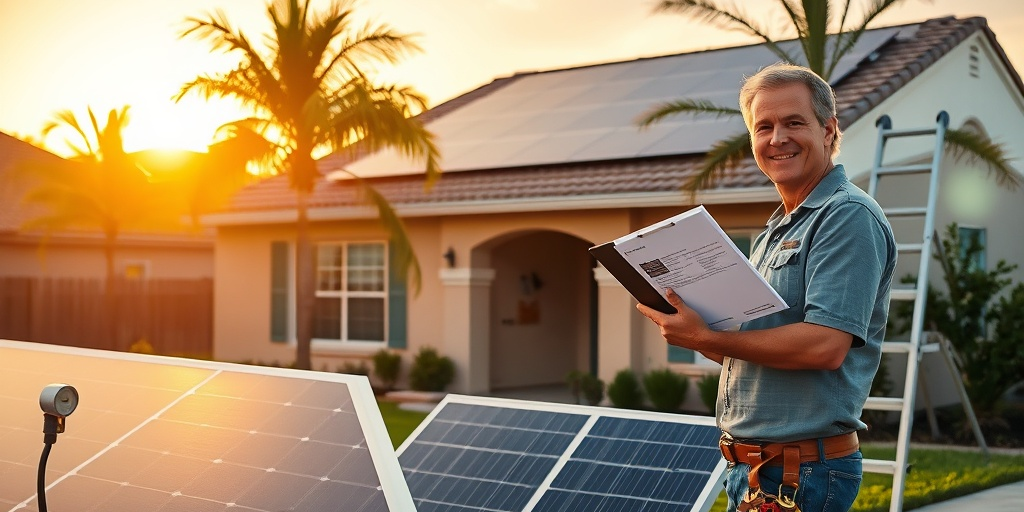
Imagine a world where your energy costs are slashed, your carbon footprint is minimized, and you’ve taken control of your home’s energy future. In Florida, this vision is more attainable than ever. As energy prices continue to rise and climate challenges escalate, the importance of going solar is undeniable. In fact, a recent study found that solar energy installations in Florida increased by 52% in 2022 alone (SEIA.org). So, what’s stopping you from making the shift? The answer often lies in financing your solar panel installation.
This article will guide you through the “10 Steps for Financing Your Solar Panel Installation,” ensuring you make informed choices that lead to significant savings. With energy costs projected to rise by 25% over the next five years (EIA.gov), it’s crucial for Florida homeowners and commercial property owners to explore smart financing options for your solar investment in 2025. As you navigate this journey, you’ll find essential steps that not only maximize your savings but also promote understanding and confidence in your solar decision.
Throughout this post, we will explore a case study of a Florida homeowner who transformed their energy landscape, provide a detailed financing checklist, debunk common myths surrounding solar panel financing, delve deeper into Florida-specific policies and incentives, and outline the technical aspects of financing models in detail. By the end of your reading, you will be equipped with actionable insights tailored for your solar journey.
Unlocking Financial Freedom through Solar: A Case Study
Meet Lisa and Tom, residents of sunny Sarasota, Florida. Like many homeowners, they were facing increasing energy bills and wanted a sustainable solution. After thorough research, they decided to explore solar energy as an option. But where to start? The first significant hurdle was determining how to finance their solar panel installation.
Through careful planning and discussions with local solar energy companies, Lisa and Tom learned about several financing options. Here’s what they discovered:
- Solar Loans: These loans specifically catered to solar installations often come with low-interest rates and flexible repayment terms.
- Lease Agreements: Leasing solar panels allows homeowners to utilize solar energy without upfront costs, paying only for the energy produced.
- Power Purchase Agreements (PPAs): Similar to leasing, but instead of fixed payments, you pay for each kilowatt-hour produced.
By reviewing these options, Lisa and Tom chose to finance their system through a solar loan. With the help of Florida Electric & Solar, they secured funding at a competitive rate, allowing them to install a solar power system without a burdensome upfront payment.
Here are their actionable insights from this journey:
- Do your research on financing options to find what best suits your financial situation.
- Consult with solar energy experts like those at floridaelectricandsolar.com who can clarify complex terms and conditions.
- Understand state-specific rebates and tax incentives that can reduce costs significantly.
This case not only demonstrates the importance of careful planning in obtaining financing but it also underlines how accessible solar energy can be with supportive local expertise. Having completed their installation, Lisa and Tom now enjoy the benefits of reduced energy costs, and they’re one step closer to energy independence.
10 Steps to Smart Solar Financing
Financing your solar panel installation doesn’t have to be daunting. Here’s a checklist to guide your steps towards maximizing your solar savings:
- Step 1: Conduct an Energy Audit – Start by reviewing your current energy bills to understand how much energy you consume. A thorough audit can help determine the required size of your solar panel system.
- Step 2: Research Financing Options – Explore different financing routes such as solar loans, leases, and PPAs. Each option has its benefits and limitations, so take your time to understand them fully.
- Step 3: Check for Incentives – Florida offers a range of incentives, like the federal solar tax credit, which can considerably reduce your installation costs (DSIREUSA.org).
- Step 4: Choose a Reputable Installer – Select an experienced solar installer who has good reviews and understands the local market, such as floridaelectricandsolar.com, to ensure a smooth installation process.
- Step 5: Get Quotes – Request quotes from multiple suppliers to compare installation costs, financing options, and warranty terms.
- Step 6: Understand the Contract – Review the contract carefully, ensuring you understand the terms for payment, installation timelines, and what happens if you decide to sell your home.
- Step 7: Plan for Maintenance Costs – Factor in potential future maintenance and repair expenses when setting your long-term budget. It’s essential to maintain your system for optimal performance.
- Step 8: Think Long-Term – Remember that solar panels typically have a lifespan of 25 years or more. Consider how long you intend to stay in your home and how this impacts your financial decision.
- Step 9: Monitor Performance – After installation, closely track the performance of your solar system and ensure it’s operating efficiently.
- Step 10: Stay Informed – The solar landscape is continuously evolving. Stay updated with new incentives, technologies, and policies that can enhance your investment.
By following these actionable steps, Florida homeowners will find it easier to navigate the financing landscape and make informed decisions about their solar investments. It’s imperative to take your time and weigh all options, ensuring you are making the best choice for your financial future and sustainability goals.
Myth-Busting Common Solar Financing Misunderstandings
With growing interest in solar energy, myths and misunderstandings can cloud the decision-making process. Here, we’ll debunk some common misconceptions about solar financing:
Myth #1: Solar Panels Are Too Expensive.
Many homeowners believe that solar panels require a hefty investment upfront. However, with various financing options available, most homeowners can find a solution tailored to their budget, whether through loans, leases, or incentives that can offset initial costs (SEIA.org).
Myth #2: Solar Financing Isn’t Available for Everyone.
Some people think solar financing is only for those with excellent credit. In reality, many lenders offer competitive rates and options for various credit profiles, thus broadening accessibility to solar power.
Myth #3: All Solar Installers Are the Same.
Selecting a reputable solar installer is key. Not all companies offer the same quality of service or financing options. Trustworthy companies will provide transparent financing assistance that suits your unique needs.
Myth #4: You Have to Own Your Home to Install Solar.
Many people think only homeowners can take advantage of solar power. In fact, renters can benefit too through community solar programs, leases, and other innovative models that are available to Florida residents.
Myth #5: Solar Energy Savings Are Minimal.
Statistics show that Florida homeowners can save between $20,000 to $50,000 over the lifespan of their solar systems, depending on their energy consumption, location, and financing options (NREL.gov). These savings can significantly outweigh any initial costs.
Local Focus: Financial Incentives for Solar in Florida
Florida is known as the “Sunshine State,” and it also offers a unique landscape of financial incentives for solar investments. Understanding these local initiatives will not only enhance your knowledge but also significantly impact your financing decisions. Here are Florida-specific options:
- Federal Solar Investment Tax Credit (ITC): This allows homeowners to deduct 26% of the cost of their solar systems from federal taxes, with an increase to 30% set to begin in 2023 (EIA.gov).
- Florida Solar Rebate Programs: Various local and utility-run programs provide cash rebates to homeowners who install solar systems, effectively decreasing the initial investment.
- Net Metering: Florida homeowners can receive credits for the excess energy they send back to the grid, maximizing their long-term savings on electric bills.
- Property Assessed Clean Energy (PACE) Financing: This innovative financing option allows homeowners to pay for solar improvements through property tax assessments, extending repayment periods to reduce monthly costs.
Incorporating these incentives can provide significant financial relief, particularly in a state where solar energy is a viable alternative to traditional fossil fuels. Furthermore, these initiatives can propel Florida’s energy independence while providing economic benefits to residents.
The Technical Deep-Dive: Financing Options Explained
Understanding the technical side of solar financing can alleviate confusion and uncertainty. Below, we explain the various solar financing options available to Florida homeowners, so you can make informed choices tailored to your situation:
Solar Loans: These loans typically offer low-interest rates and flexible repayment terms. By financing their solar installation, homeowners can sometimes avoid paying upfront costs while enjoying the benefits of solar energy.
Leasing Solar Panels: Under a lease agreement, the solar company owns the installation while you pay a fixed monthly fee based on the energy generated. This lowers upfront costs but may not provide the same long-term savings as owning your system outright.
Power Purchase Agreements (PPAs): Similar to leases, PPAs allow homeowners to purchase electricity generated by the solar panels at a predetermined rate. Homeowners can lock in savings as utility rates increase, allowing for significant long-term benefit.
Cash Purchase: Paying outright for a solar system provides full ownership. Homeowners avoid interest charges, maximize tax benefits, and gain freedom in decision-making concerning system upgrades, repairs, and maintenance.
Understanding these financial models will empower Florida homeowners to not only find the most suitable option for their solar installation but also to evaluate the potential return on investment effectively. With pressure from increasing energy costs, making an educated decision today could save substantial resources in the long run.
Next Steps for Florida Solar Buyers in 2025
With a clearer understanding of how to finance your solar panel installation, it’s essential to outline actionable steps tailored for Florida buyers ready to make their solar journey in 2025:
- Step 1: Audit Your Electric Bill – Review your previous bills to identify your energy consumption. This will inform your needs and help determine the size of the solar system that suits you.
- Step 2: Research Financing Options – Explore various financing options like solar loans, leases, and PPAs. Consult resources at floridaelectricandsolar.com for expert assessments.
- Step 3: Compare Quotes and Offers – Obtain multiple proposals from different solar providers to understand the pricing, financing options, and service offerings adequately.
- Step 4: Consult Professionals – Don’t hesitate to seek help from trusted solar consultants. They can guide you through local regulations and financing choices, optimizing your experience.
- Step 5: Engage with Local Incentives – Investigate and partake in local and federal incentives that can make solar more affordable, taking advantage of rebates and tax credits.
- Step 6: Finalize Your Decision – Weigh the available options carefully and make your financing choice confidently.
- Step 7: Monitor Post-Installation Performance – After installation, consistently monitor the system’s performance to ensure efficiency and address issues promptly.
With these actionable next steps, you are ready to embark on your solar journey in Florida. Making this decision not only enhances your household energy efficiency but also contributes positively to the environment. More importantly, the financial implications of going solar can lead to devastating savings over time.
In summary, embarking on the process of financing your solar panel installation may seem daunting, yet armed with knowledge and clarity, you can turn it into an achievable reality. This decision will not only impact your finances but ultimately ensure a sustainable future for your family and the environment.
Ready to start your solar journey in 2025? Connect with a certified expert at floridaelectricandsolar.com today.
Related Articles
More insights about Solar Panel

Florida Homeowners: Why Solar Panel Maintenance Is Essential

7 Essential Steps for Solar Panel Installation Success

Expert Insights: Key Factors Influencing Solar Panel Lifespan
Ready to Go Solar?
Have questions about solar energy? Our experts are here to help you make the switch to clean, renewable energy.