
10 Steps to Maximize Your Solar Panel Installation Savings
Share:
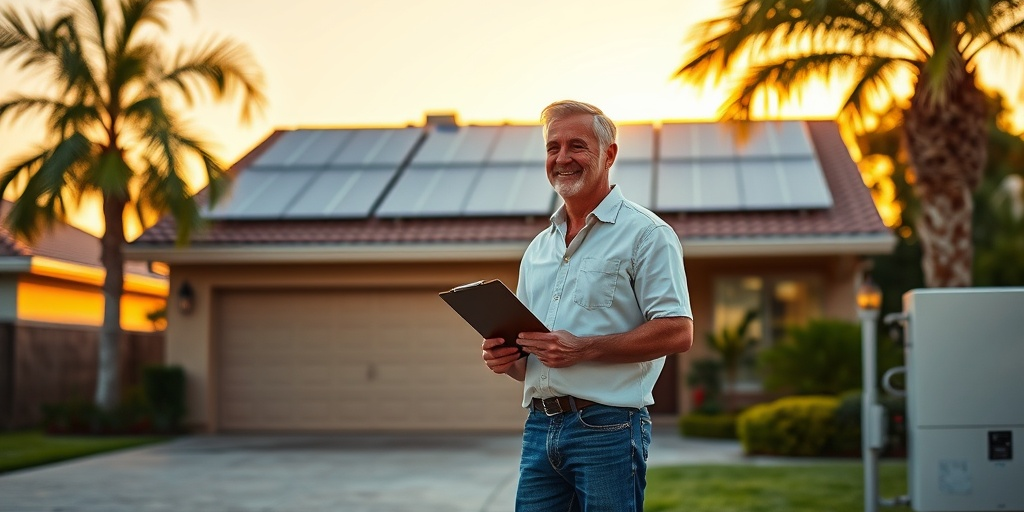
As a homeowner in Florida, the thought of rising energy costs can be downright daunting. Did you know that in 2021, Florida ranked third in the nation for solar installations, reflecting a growing trend towards clean, sustainable energy solutions? Yet many still remain apprehensive about making the switch. In 2025, going solar is not just an option; it’s quickly becoming a necessity. The urgency to act is palpable as energy prices continue to soar, and new solar incentives are expected to decrease. This is where our guide, “10 Steps to Maximize Your Solar Panel Installation Savings,” comes into play. We aim to transform your skepticism into a proactive approach to energy efficiency. This checklist will help you unlock savings while ensuring an efficient solar panel installation, paving the way to energy independence.
To aid you in this transition, our guide outlines essential strategies designed specifically for Florida homeowners. In this post, you will discover:
- Section 1: A case study highlighting the journey of a local homeowner to demonstrate the impact of smart decision-making.
- Section 2: A checklist you can follow to maximize your solar panel savings during installation.
- Section 3: Common myths debunked surrounding solar energy, helping you make well-informed decisions.
- Section 4: A localized focus that details specific benefits for Florida homeowners, including state incentives and regulations.
- Section 5: A technical deep dive to understand the various components of solar technology and their installation nuances.
The urgency for Florida residents to invest in solar energy has never been greater. As we move closer to 2025, it’s essential to stay informed about the financial and environmental implications of solar energy. By following the tips laid out in this post, you can navigate your solar journey more effectively and save significantly on your installation costs. Let’s delve in!
Case Study: The Solar Transformation of a Florida Homeowner
Consider the story of Maria, a typical suburban homeowner in Jacksonville, Florida. Struggling with high utility bills, she sought solutions that could alleviate her financial burden. In 2023, Maria decided to explore solar options but was initially overwhelmed by the complexity of the installation process and the associated costs. However, after thorough research and a consultation with a trusted solar expert, she began her journey towards solar power.
Maria’s first step was conducting an energy audit of her home, which revealed that she could save up to 30% on her electric bills just by being more energy-efficient. Even more exciting was the realization that she could combine energy-saving measures with solar to maximize her savings. After installing a high-efficiency solar panel system, her monthly electric bill dropped significantly. The total investment came to approximately $15,000, but Maria qualified for a 26% federal tax credit. This incentive reduced her upfront cost by $3,900, making the installation much more feasible.
Additionally, she took advantage of local incentives offered by the state of Florida, further maximizing her savings. By 2024, Maria had recouped her initial investment within 6.5 years due to the solar energy production and the rebates from her utility company (SEIA.org). Today, she proudly shares her story, encouraging fellow homeowners to take the plunge into solar energy.
This success story exemplifies what is possible when Florida homeowners actively maximize their solar panel savings, demonstrating that the transition to solar power can be both financially savvy and environmentally responsible.
Checklist: 10 Steps to Maximize Your Solar Panel Installation Savings
Embarking on your solar journey requires careful planning and informed decision-making. Here’s your actionable checklist to ensure you maximize every dollar spent during your solar panel installation.
- Step 1: Conduct a Comprehensive Energy Audit
Understand your current energy consumption. An energy audit can highlight areas where you can improve efficiency, allowing you to size your solar system more appropriately. - Step 2: Research and Compare Solar Financing Options
Look for financing options that can offer you low-interest rates. Whether you opt for a loan, lease, or cash purchase, researching can help you find the most suitable solution that aligns with your budget. - Step 3: Take Advantage of Federal and State Incentives
In 2025, the solar investment tax credit (ITC) will still be in effect, enabling you to deduct a percentage of your solar installation costs. Make sure you are aware of local grants and loan programs to maximize your savings. - Step 4: Choose the Right Solar Installer
Finding an experienced, reputable installer is critical. Opt for companies with great reviews and a solid track record in Florida solar installations to ensure quality work and service. - Step 5: Optimize Panel Orientation and Placement
Panel placement can significantly impact energy production. Consult with your solar installer to position panels for optimal sun exposure, maximizing your energy generation. - Step 6: Consider Battery Storage Solutions
Battery systems allow you to store excess energy for later use. This can be especially beneficial during high-demand periods, leading to additional savings on electric bills. - Step 7: Monitor and Adjust Your Usage
Once you have your solar panels installed, monitor your energy usage regularly. Understanding your patterns can help you optimize consumption and further reduce overall electricity costs. - Step 8: Review Your Utility Company’s Net Metering Policy
Understanding how your utility company handles excess energy production can turn your system into a revenue generator, allowing you to earn credits you can apply to future bills. - Step 9: Stay Informed About Local Solar Legislation
Florida has distinct solar policies that can affect your installation and savings. Staying current with any changes allows you to align your strategy with legislative benefits. - Step 10: Connect with Local Solar Communities
Engaging with other solar users can provide insights and tips to enhance your savings journey. Explore online forums or local meetups to network and learn.
Follow these steps diligently, and you’ll undoubtedly see the difference reflected in your solar energy savings. For personalized insights tailored to your specific needs, don’t hesitate to visit floridaelectricandsolar.com for expert guidance from seasoned professionals!
Myth-Busters: Debunking Common Misconceptions about Solar Energy
When it comes to solar energy, myths abound, often deterring potential users from making the switch. Here are some common misconceptions, along with factual rebuttals to help guide your decision-making process.
- Myth #1: Solar Panels Are Too Expensive
While the initial investment can seem daunting, with federal tax incentives and state rebates, solar is more affordable than ever. Many homeowners recoup their initial costs within 5-10 years (SEIA.org). - Myth #2: Solar Panels Don’t Work on Cloudy Days
While efficiency does decline during overcast weather, solar panels can still generate significant energy output even on cloudy days. In fact, they function optimally in cooler temperatures. - Myth #3: You Need a New Roof to Install Solar Panels
This is not always the case. Many homeowners can install solar without needing a new roof. A solid evaluation from a qualified installer can help determine this. - Myth #4: Solar Energy Is Only For Big Homes
Solar energy is scalable; any homeowner can take advantage of it, irrespective of house size. Even small homes can see significant savings and benefits with the right system. - Myth #5: Solar Panels Require Constant Maintenance
Solar panels are remarkably low-maintenance, typically only requiring a regular cleaning and a periodic inspection. Most systems have warranties that can last up to 25 years.
By dispelling these myths, we encourage Florida homeowners to reconsider the transformative potential of solar energy. The more accurately informed you are, the better decisions you will make.
Local Focus: Solar Energy Advantages for Florida Homeowners
Florida presents a unique environment for solar energy, with its ample sunshine and supportive policies for homeowners looking to install solar panels. Here are some compelling reasons to consider solar energy specifically tailored for residents in the Sunshine State.
- Abundant Sunshine: With an average of 237 sunny days per year, Florida has a natural advantage in solar energy (NREL.gov). This means potential for high energy output regardless of the seasons.
- Local Incentives: Beyond federal tax credits, Florida homeowners can access various state-level incentives to further boost affordability (DSIREUSA.org). For instance, the Property Tax Exemption for solar systems allows homeowners to save in the long run.
- Growing Solar Industry: Florida’s robust solar market leads to increased competition among installers. Increased competition means lower prices and better service for consumers, ensuring that you receive top-notch installation for your investment.
- Environmental Benefits: Shifting to solar can significantly reduce greenhouse gas emissions. Homeowners can feel good about playing a part in tackling climate change while saving money.
By leveraging these advantages, Florida homeowners can not only gain from reduced energy expenses but contribute positively to the environment. Installations and benefits are unique to the state, making it an ideal time to invest in solar energy.
Next Steps for Florida Solar Buyers in 2025
As you gear up for your solar panel installation, having an actionable plan can streamline the process. Here are the necessary steps to take as a Florida homeowner:
- Step 1: Audit Your Electric Bill
Start by reviewing your electric bills over the past year. This gives you a clear picture of your energy consumption and helps to identify possible savings. - Step 2: Gather Quotes from Multiple Installers
Seek estimates from several solar providers. Comparing quotes not only helps you find the best price but offers perspectives on system performance and warranties available. - Step 3: Consult a Qualified Installer
Consult with qualified solar professionals who can recommend suitable systems for your energy needs. They can perform a site analysis to maximize efficiency and savings. - Step 4: Consider Battery Storage
Evaluate battery options to store energy for use during peak times. This can significantly increase the benefits of your solar installation. - Step 5: Finalize Your Installation
Once you’ve selected an installer and system, move forward with finalizing your installation. Make sure to keep documentation of all paperwork for future reference.
Following this action plan will reduce friction and simplify the onboarding process for your solar installation. For further assistance or to connect with certified solar experts, visit floridaelectricandsolar.com.
Conclusion
Making the switch to solar energy is a profound step toward financial independence, sustainability, and energy efficiency. We’ve examined various ways to maximize your solar panel installation savings, as well as the urgent need for Florida homeowners to embrace this transition in 2025. From case studies of those already profiting from solar, practical checklists, common myths debunked, and localized benefits to actionable next steps, we’ve equipped you with an in-depth understanding to embark on your solar journey.
Each decision you make now has the potential to significantly impact your financial future and contribute positively to the environment. The time to act is now; don’t wait until it’s too late. The rising costs of energy are not going away and the benefits of going solar only increase with government incentives.
Ready to start your solar journey in 2025? Connect with a certified expert at floridaelectricandsolar.com today.
Related Articles
More insights about Solar Panel

Florida Homeowners: Why Solar Panel Maintenance Is Essential

7 Essential Steps for Solar Panel Installation Success

Expert Insights: Key Factors Influencing Solar Panel Lifespan
Ready to Go Solar?
Have questions about solar energy? Our experts are here to help you make the switch to clean, renewable energy.