
10 Steps to Maximize Your Solar Panel Installation Success
Share:
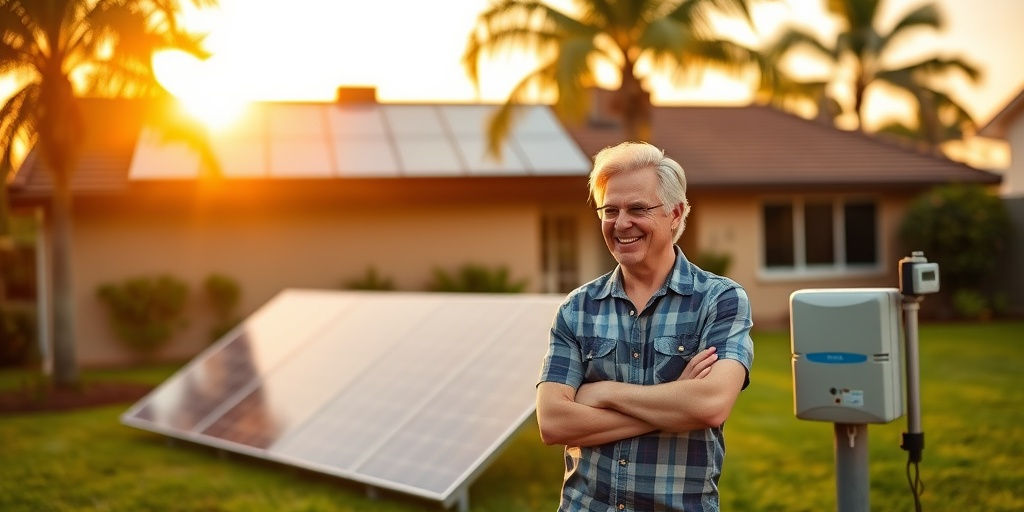
Did you know that solar energy has become a game-changer for homeowners in Florida, with the state ranking second in the nation for installed solar capacity? As of 2023, Florida has over 6.5 gigawatts of installed solar energy, a significant leap compared to previous years (SEIA.org). The urgency to adopt solar has surged in 2025 due to rising energy costs and new incentives for solar installation in Florida. As a homeowner, this is your perfect opportunity to maximize your benefits. This article is designed to equip you with the essential knowledge outlined in 10 Steps to Maximize Your Solar Panel Installation Success. These steps are not just about installation; they’re about ensuring you get the most out of your investment. Throughout this post, we will explore a detailed checklist, address common myths, highlight local issues, and provide technical insights that will empower you on your solar journey. With every passing year, more Florida homeowners are taking the leap into solar energy, and understanding these strategies may be the difference between a mediocre investment and a brilliant one.
As we move forward, we will delve into the following five sections. First, we will provide a comprehensive case study of a local Florida homeowner’s solar panel installation. Next, we will outline a precise checklist of actionable steps for your installation process. After that, we’ll tackle common myths about solar energy that could mislead you. Subsequently, we’ll focus on local energy policies and statistics that affect Florida homeowners directly. Finally, you’ll find an in-depth look at the technology involved in solar panels and systems. Let’s dive into these essential steps to ensure your solar panel installation is a resounding success!
Understanding the Journey: A Case Study of Successful Installation
Let’s take a closer look at the journey of Lisa and Mike, a couple from Orlando who decided to invest in solar energy to combat their ever-increasing electric bills. With an annual bill of over $2,400 and rising utility rates, they realized that shifting to solar wasn’t just a green decision—it was a financially strategic one (Energy.gov).
After securing a loan that allowed them to install a 7-kilowatt solar system, they began their journey toward energy independence. Their process was smooth, but this success wasn’t simply luck; it was a result of diligent planning based on some key steps that every Florida resident should consider.
- Research Local Solar Providers: Lisa and Mike began by researching various solar companies in Florida. They wanted proven expertise, warranties, and positive reviews from previous clients. Selecting a reputable installer is critical.
- Financial Incentives: They applied for the solar investment tax credit (ITC), which allowed them to deduct 26% of the cost of their solar panel system from their federal taxes, drastically helping the financial strain (SEIA.org).
- Site Assessment: The couple had a site assessment done where technicians inspected their roof’s orientation, size, and any potential shading. Understanding these factors significantly impacted their system’s efficiency.
- Installation Experience: When the installation day arrived, experienced technicians completed the work in just one day—minimizing inconvenience.
- Monitoring Performance: They installed a monitoring system that allowed them to track their energy production live, giving them the joy of witnessing their contribution to renewable energy.
By following these steps, Lisa and Mike are now saving over $1,500 on their energy bills each year and have even started the process of expanding their solar installation with additional panels. This case illustrates not only the financial savings possible but also the contributing benefits of using clean energy—a narrative that is possible for any Florida homeowner willing to embark on the solar journey.
Your Comprehensive Installation Checklist
To facilitate a successful journey into solar energy, here’s a practical checklist that outlines the ten essential steps to take before, during, and after your solar panel installation.
- Choose a Reputable Solar Installer: Scrutinize reviews, warranties, and past projects. Asking friends or neighbors for recommendations can also guide you in selecting a trustworthy provider.
- Review Financial Options: Look into financing options such as solar loans, leases, or direct purchases. Do some calculations to see when your investment will pay off (NREL.gov).
- Understand Local Incentives: Research incentives available for Florida homeowners, such as property tax exemptions and the ITC, which can significantly reduce your installation cost.
- Evaluate Your Home’s Suitability: Assess your roof’s condition, age, and direction. A south-facing roof partnered with minimal shading is ideal.
- Permits and Regulations: Ensure that you (and your installer) are aware of local building codes and necessary permits before installation.
- Installation Timing: Schedule your installation at a time that avoids peak summer heat to ensure a more comfortable experience for you and the installers.
- Inspect Equipment: On the day of installation, inspect the quality and specifications of the equipment being installed. Make sure they match what you discussed with your installer.
- Understand Your System: Familiarize yourself with the operation of your solar panels, inverter, and control system. Knowing how these aspects work will empower you to manage your energy production.
- Monitor Energy Production: After installation, utilize any available apps or platforms to track your energy savings and system performance.
- Ongoing Maintenance: Schedule regular inspections and maintenance for your solar system to ensure it operates efficiently over its lifespan.
Taking the time to follow this checklist can significantly improve the outcomes of your installation. The thorough planning involved will allow you to enjoy the benefits of solar energy—from cutting your electricity bills to contributing to a cleaner environment.
Debunking Common Solar Myths
With the rise in solar popularity, many misconceptions about solar energy linger in public discourse. Here, we break down some of the most prevalent myths that could hinder your decision to go solar:
- Myth #1: Solar Panels Are Too Expensive: While upfront costs may seem high, many financing options and incentives reduce overall expenses, oftentimes yielding a return on investment within a few years.
- Myth #2: Solar Panels Don’t Work in Cloudy Weather: This is not true—solar panels can still produce energy in cloudy conditions. Florida tends to have more sunny days than most states, ensuring efficiency.
- Myth #3: Solar Energy Isn’t Reliable: With battery backup systems, homeowners can store energy for use during outages or at night, increasing reliability (SolarReviews.com).
- Myth #4: Maintenance is Costly: Solar panels require minimal maintenance, often just an occasional cleaning. Most reputable companies provide warranties and performance guarantees.
- Myth #5: Solar Panels Lower Property Values: The opposite is typically true. Homes equipped with solar energy often sell for higher prices, especially in eco-conscious markets like Florida (Energy.gov).
Being informed about these myths will save you from making uninformed choices regarding solar energy. Recognizing the realities of solar will allow you to embrace its numerous benefits more confidently.
Florida-Specific Solar Energy Focus
For Floridians, understanding the specific incentives, statistics, and policies surrounding solar energy is crucial for taking advantage of this potential. Florida has seen over 400% growth in solar installations just in the last few years (DSIREUSA.org). Understanding this landscape may help you decide on going solar, making your choice more straightforward:
- Net Metering: Florida allows homeowners to sell excess power back to the grid, which can offset installation costs significantly. Yet, revisiting regulations regularly is essential as these policies can shift.
- Sales Tax Exemption: All solar equipment is exempt from sales tax in Florida, allowing further cost savings upfront compared to other states (SEIA.org).
- Community Solar Programs: These initiatives allow homeowners to invest in a shared solar system, even if their property isn’t suitable for traditional solar panels (SolarReviews.com).
Utilizing these unique benefits can make your transition to solar not only feasible but rewarding. Each of these components contributes to optimizing your solar investment, positioning you toward greater energy independence and financial savings. Be sure to stay informed about updates in regulations that may affect you.
Understanding the Technology Behind Solar Installations
The technicalities of solar energy systems can sometimes feel overwhelming. Yet, knowing how solar panels, inverters, and batteries interact can help you appreciate your installation process and understand your energy savings. Here’s a deep dive into the system components:
- Solar Panels: These components capture sunlight and convert it to electricity. Efficiency ratings and warranties differ dramatically, so select wisely. Aim for panels that have 20% or more efficiency and at least a 25-year warranty.
- Inverters: These devices convert direct current (DC) from the solar panels into alternating current (AC) used at home. There are string inverters, microinverters, and power optimizers—each with distinct advantages.
- Battery Storage: Many solar homeowners opt for battery storage to maximize their utility savings. Batteries allow you to store excess power for use during outages or at night, especially essential in storm-prone Florida.
When making your component selections, consider long-term warranties and impacts on your energy production. Staying educated on technological advancements could provide further cost savings and efficiency improvements as the industry evolves.
Next Steps for Florida Solar Buyers in 2025
As you stand on the brink of adopting solar energy, it’s vital to have a clear action plan. Below is your comprehensive guide for implementing what you’ve learned, ensuring a smooth transition to solar energy:
- Audit Your Electric Bill: Begin by thoroughly reviewing your electricity bill for usage patterns. Identify your average monthly expenditures and your peak usage times.
- Research Local Solar Providers: Compile a list of local solar companies with good reviews and customer feedback. Shortlist a few and ask them for quotes and references to gauge reliability.
- Inquire About Financing Options: Assess the available options, from loans to leasing, and see what fits best with your budget and future financial goals.
- Simplify Decision-Making: Narrow down your choices based on the installers’ responses, costs, warranties, and customer service reputation.
- Schedule Your Installation: Once you’ve selected the installer, schedule your installation at a time that accommodates both you and your chosen company.
Every step you take to transition to solar energy brings you closer to energy independence. Knowledge is a critical asset, and ensuring that you have the right resources will bolster your decision.
As we conclude this guide, remember your solar journey is as much about making informed decisions as it is about your aspirations for financial savings, environmental responsibility, and energy autonomy. With persistence and the right knowledge, achieving your solar energy goals is absolutely feasible.
Ready to start your solar journey in 2025? Connect with a certified expert at floridaelectricandsolar.com today.
Related Articles
More insights about Solar Panel

Florida Homeowners: Why Solar Panel Maintenance Is Essential

7 Essential Steps for Solar Panel Installation Success

Expert Insights: Key Factors Influencing Solar Panel Lifespan
Ready to Go Solar?
Have questions about solar energy? Our experts are here to help you make the switch to clean, renewable energy.