
10 Steps to Maximize Your Solar Panel Installation Success
Share:
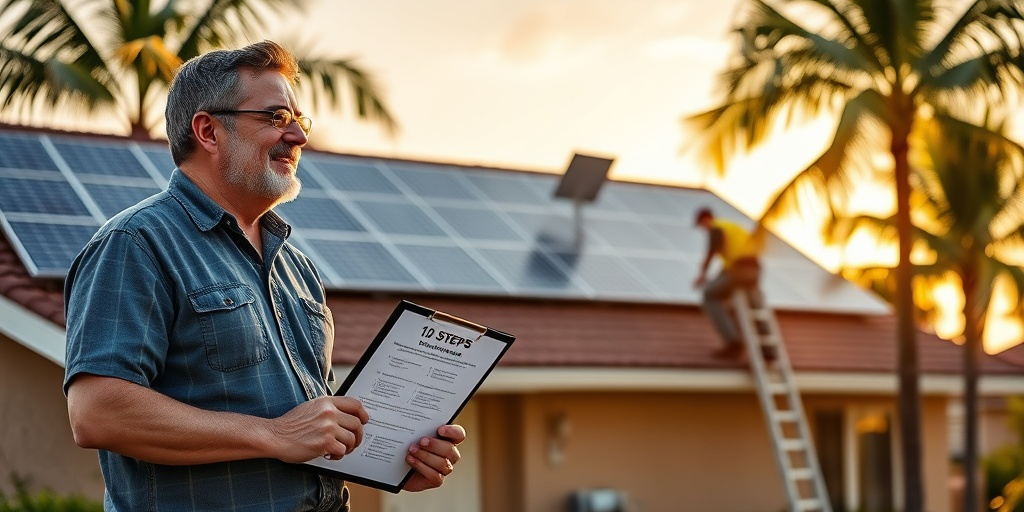
When it comes to solar energy, Florida homeowners are sitting on a vast reservoir of potential savings and efficiency. Did you know that, as of early 2023, solar energy installations are expected to grow by an astounding 65% each year in the Sunshine State? This means that homeowners are more than just observers—they’re active participants in a dynamic energy revolution. It has never been more urgent to understand how to maximize your solar panel installation success, especially with energy prices expected to soar as we move into 2025. After all, with Florida’s average electric rates projected to rise by 20% over the next three years, making the switch to solar isn’t just a trend—it’s a necessity (Florida Power & Light). In this thorough guide titled **10 Steps to Maximize Your Solar Panel Installation Success**, we will explore strategies that not only enhance efficiency but also dramatically reduce utility bills.
This blog will cover the following sections:
1. A deep dive into common challenges facing solar installations with actionable checklists.
2. Essential checklists to ensure your solar journey aligns with your goals.
3. Debunking the most persistent myths around solar energy to clear the path for your decision.
4. Insights specific to Florida’s landscape in the solar market.
5. Technical aspects to better understand your solar energy system.
With the cost of conventional electricity rising and new government incentives introduced, there’s no better time to make an informed choice about solar energy. Let’s delve deeper into the first step on this journey.
Understanding the Installation Landscape: A Closer Look
Before you take the plunge into solar, it’s crucial to understand the landscape that surrounds installation successes. Imagine Maria, a dedicated Florida homeowner, who noticed her electric bill ballooning from $150 to $250 during the summer months. Driven by a desire to save money and contribute to a sustainable future, she decided to install solar panels on her roof. However, Maria’s journey wasn’t a straightforward road; she faced numerous hurdles that can be common among homeowners.
Throughout Florida, the average payback period for solar panels ranges from 5 to 7 years, depending on incentives and energy savings (EnergySage). To capitalize on this investment, following specific steps ensures success. Here’s a checklist to guide you:
- Step 1: Research Local Incentives – Familiarize yourself with the fair policies and rebates available, as Florida has exciting incentives for solar installations.
- Step 2: Choose the Right Solar Company – Look for companies with strong local reputations and experience in the Florida market.
- Step 3: Assess Your Home’s Roof – Ensure your roof is suitable for solar panels, factoring in age and orientation.
- Step 4: Calculate Your Energy Needs – Work with professionals to estimate how much energy you’ll need and what size system you’re looking at.
- Step 5: Understand the Technology – Familiarize yourself with the types of panels and inverters available to make informed choices.
As Maria’s journey illustrates, a lack of proper knowledge can lead to wasted money and frustration. For instance, she initially thought financing options were too complicated—but with the right advice, she discovered various local government incentives that significantly reduced her overall costs. Here’s a quick breakdown of common myths that can cloud judgment:
- Myth #1: Solar Panels Are Too Expensive – While the upfront costs can be high, rebates and federal tax credits can drastically reduce expenses.
- Myth #2: Solar Only Works on Sunny Days – Modern panels are designed to be efficient even in cloudy conditions.
- Myth #3: My Roof Isn’t Suitable – Many types of roofs can accommodate solar panels; it’s all about finding the right installation approach.
Floridians should also note that not all solar panel systems are created equal, and understanding the various solar technologies can provide significant advantages. Explore incentives specifically available in your county and partner with a capable installation company like floridaelectricandsolar.com to achieve maximum returns.
Crafting Your Personalized Solar Checklist
Having a robust checklist is crucial for a successful solar installation. Here’s a detailed list tailored to Florida homeowners looking to maximize their investment:
- Step 1: Analyze Your Current Energy Usage – Gather utility bills for the past year and predict how your energy needs will change.
- Step 2: Select the Right Solar Installer – Look for local companies with experience in servicing the Florida market.
- Step 3: Schedule a Professional Energy Audit – Identify potential energy savings through audits that can positively impact your system design.
- Step 4: Verify Local Regulations – Florida has specific codes and regulations; ensure that your planned installation complies.
- Step 5: Determine Financing Options – Explore financing that minimizes upfront costs such as leases or power purchase agreements.
These steps will simplify the installation process and position you as an informed homeowner. Remember, securing a quality installer is fundamental; verify their experience, certifications, and customer reviews. In 2023, Florida reported that over 60% of installers received 5-star ratings based on customer satisfaction (SolarReviews.com). This data underscores the importance of getting your installation right the first time.
Dispelling Solar Myths: What You Need to Know
Florida homeowners may encounter various misconceptions about solar energy that can hinder their decision-making process. Let’s look at the top five myths and the realities behind them:
- Myth #1: Solar Panels Aren’t Worth It Without Direct Sunlight – Truth: Even on cloudy days, solar panels can produce power. The efficiency of modern panels ensures their productivity regardless of weather conditions.
- Myth #2: Solar Energy Is Only for Wealthy Homeowners – Truth: Thanks to state and federal incentives, solar installation is becoming accessible for a broader demographic.
- Myth #3: Once Installed, Solar Systems are Maintenance-Free – Truth: Regular check-ups and maintenance can enhance performance and longevity.
In the next section, we’ll go beyond misconceptions and discuss the unique benefits of solar power for Florida residents.
The Unique Florida Solar Landscape
Florida’s landscape presents unique opportunities and challenges in solar energy adoption. The Sunshine State consistently ranks among the top states in the U.S. for installed solar capacity, boasting roughly 17,000 MW of installed solar energy (SEIA.org). Florida homeowners have much to gain, especially as technological advancements make solar systems more efficient than ever.
Here’s a breakdown of the benefits you should consider:
- Net Metering – Florida’s net metering policy allows homeowners to receive credits for the excess energy produced by their solar systems, significantly impacting overall energy costs.
- Rebates and Tax Credits – Federal tax credits allow homeowners to deduct 26% of installation costs from their taxes (IRS.gov), with additional state incentives sometimes available.
- Long-term Savings – Homeowners can expect to save over $20,000 over the lifespan of their system, thanks to reduced electric bills.
Linking your solar decision to this supportive policy environment can further enhance the savings you’ll receive. Additionally, considering the average lifetime of a solar panel is over 25 years, the potential for savings is substantial.
Bringing It All Together: A Florida Solar Journey
By now, you have a comprehensive understanding of how to maximize your solar installation’s success. The path includes understanding the unique benefits and challenges inherent in Florida’s solar landscape. When Jason, a fellow Floridian, made the switch, he wasn’t just considering immediate benefits; he aimed for a sustainable future and energy independence. Here’s a brief overview of his journey:
- Step 1: Goal Setting – Jason wanted to eliminate his electric bill and increase his property value, paving the way for financial gains.
- Step 2: Education – He familiarized himself with local policies affecting installation and financing.
- Step 3: Installer Selection – After thorough research, he partnered with a local installer known for excellent customer service.
Jason’s journey demonstrates that strategic planning and knowing the landscape can create a smooth solar installation. As you piece together your solar narrative, keep these next steps in mind.
Next Steps for Florida Solar Buyers in 2025
As you prepare for your solar transition, here’s an effective checklist:
- Step 1: Audit Your Electric Bill – Understand your energy consumption and determine potential savings.
- Step 2: Analyze Your Property – Ensure your roof and property are suitable for solar panel installation.
- Step 3: Consult Solar Professionals – Reach out to certified solar mechanics to discuss your needs and options.
- Step 4: Explore Incentives – Research available tax credits and rebates in Florida to maximize savings.
By following these guidelines, you’ll be setting yourself up for success. For more information on how to navigate your solar journey effortlessly, connect with experts at floridaelectricandsolar.com.
Conclusion: Embrace the Sunshine
In conclusion, the transition to solar energy is not just about savings; it’s about embracing a sustainable future. This journey, encapsulated in our guide titled **10 Steps to Maximize Your Solar Panel Installation Success**, underscores the importance of knowledge, preparation, and local insights. Navigating this landscape will empower you to make informed decisions, saving you both time and money. As energy costs rise, the urgency of making solar a part of your life in 2025 has never been clearer. With your family’s future and energy independence at stake, now is the time to take action.
Ready to start your solar journey in 2025? Connect with a certified expert at floridaelectricandsolar.com today.
Related Articles
More insights about Solar Panel

Florida Homeowners: Why Solar Panel Maintenance Is Essential

7 Essential Steps for Solar Panel Installation Success

Expert Insights: Key Factors Influencing Solar Panel Lifespan
Ready to Go Solar?
Have questions about solar energy? Our experts are here to help you make the switch to clean, renewable energy.