
10 Steps to Maximize Your Solar Panel Lifespan
Share:
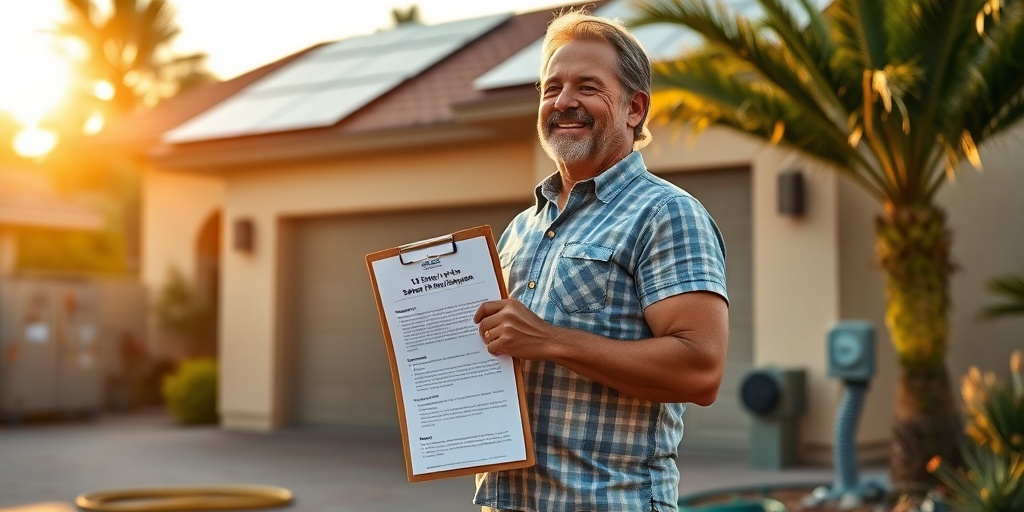
In 2025, homeowners and businesses across Florida are set to embrace a brighter future powered by solar energy. With utility rates projected to increase by 8.5% annually (Energy.gov), investing in solar panels has never been more critical. Moreover, the state of Florida is ranked as the third-largest solar market in the nation, boasting over 3.8 million megawatts of installed solar capacity (SEIA.org). Yet, as the demand for solar power surges, so does the need for homeowners to ensure they maximize their investment. This brings us to the core of our discussion today—“10 Steps to Maximize Your Solar Panel Lifespan.” Understanding these essential steps is vital, especially in light of newly introduced state incentives designed to foster renewable energy use.
In this comprehensive guide, we will explore practical strategies to optimize the lifespan of your solar panels, ultimately leading to significant savings on your utility bills. Here’s a quick preview of what you can expect from our journey:
- Section 1: A case study illustrating the journey of a Florida homeowner successfully maximizing their solar panel lifespan.
- Section 2: A detailed checklist of actionable steps to maintain and enhance the longevity of your solar system.
- Section 3: Debunking some common myths surrounding solar energy to help you make informed decisions.
- Section 4: Exploring Florida-specific trends and regulations regarding solar that impact your investment.
- Section 5: A technical deep dive into keeping your solar technology running efficiently, detailing each component of your system.
This article is designed not just as a set of recommendations but as a roadmap toward making your solar energy experience in Florida not just viable but exceptionally profitable. So, let’s get started!
Case Study: The Renewable Journey of a Florida Homeowner
Meet the Garcia family, residents of sunny Tampa, Florida. When Maria and Carlos made the decision to install solar panels in 2023, they were filled with optimism about harnessing the sun’s energy to power their home. With soaring electric bills averaging $250 per month, they believed that going solar was their ticket to substantial savings. The Garcias invested in a state-of-the-art solar panel system, which included highly efficient panels, a smart inverter, and battery storage. However, they soon realized that installation was just the first step in their renewable journey.
As they began to witness the benefits of solar energy—fluctuating bills in the $10–$30 range—the Garcias were reminded of the importance of maintenance. Over the span of two years, they implemented various actionable strategies to maximize their solar panel lifespan. Here is their checklist that you can use to enhance your solar investment:
- Regular Cleaning: Keeping panels free from dirt and debris ensured maximum sunlight absorption.
- Inspection Schedules: Scheduling semi-annual inspections helped identify potential issues before they became costly repairs.
- Monitoring Performance: Using monitoring tools kept tabs on output, allowing them to spot decreases in performance early.
- System Upgrades: They researched newer technologies available in the market to keep their system at peak performance.
- Engaging Professionals: Finally, they learned the value of working with certified solar experts for maintenance and troubleshooting.
Statistics show that properly maintained solar panels can have a lifespan of 25 years or more (SolarReviews.com). By adhering to this simple checklist, the Garcias projected their investment to yield savings of over $30,000 during their lifetime, outpacing inflation and rising utility costs. They not only felt a sense of empowerment in owning their energy but also contributed to a greener planet.
Through the Garcias’ story, we see that early adaptability and rigorous care lead to maximizing the lifespan of solar systems. Now, let’s turn our focus to the detailed checklist you need to replicate their success.
Your Essential Checklist to Maximize Solar Panel Lifespan
Maximizing the lifespan of your solar panels involves a combination of regular upkeep, awareness of environmental factors, and strategic decision-making. Below is a robust checklist to ensure you’re taking all necessary steps:
- Step 1: Regular Cleaning
Over time, debris like dust, bird droppings, and pollens can accumulate on your solar panels. Cleaning them every six months will help maintain maximum efficiency. While rain can assist with cleaning, investing in a soft brush and mild soap ensures thorough cleansing without damaging the panels.
- Step 2: Inspect Your System
Conduct regular inspections for any visual signs of wear and tear, including damage to wiring, sagging panels, and signs of corrosion. If you notice anything concerning, consult professionals to evaluate your system.
- Step 3: Monitor Performance
Invest in solar monitoring systems to track your solar panel output. Understanding the expected performance versus actual performance helps you to spot issues quickly. If output drops unusually, contact a technician for evaluation.
- Step 4: Upgrade Components When Necessary
As technology advances, your panels can benefit from upgrades, such as more efficient inverters or battery storage systems. Ensure that your components are compatible and that you’re aware of the benefits of newer models.
- Step 5: Hire Certified Professionals
Always use certified solar installers for maintenance work. Their expertise ensures that every element of your solar energy system is functioning efficiently, reducing the risks of costly repairs due to mishandling.
By following this checklist, you are positioned to optimize your solar investment, facilitating energy independence while also positively impacting the environment. Implementing these practices will contribute to the sustainable longevity of your solar system, yielding both financial rewards and peace of mind.
Myth-Busters: Debunking Common Solar Energy Misconceptions
Despite the growing prevalence of solar energy in Florida, several persistent myths can discourage homeowners from making the switch or caring for their systems properly. It’s time to set the record straight with these myth-busters:
- Myth #1: Solar Energy is Too Expensive
Although the initial costs can be substantial, the long-term savings often outweigh the upfront investment. Federal tax credits and state incentives significantly reduce costs, allowing homeowners to recoup their investment often within a decade (SEIA.org).
- Myth #2: Solar Panels are Fragile
Modern solar panels are designed to withstand harsh weather conditions including hail, high winds, and more. Most manufacturers provide warranties lasting 25 years, proving that quality panels are exceptionally durable (Energy.gov).
- Myth #3: Solar Requires Full Sunlight
While solar panels do operate more efficiently in direct sunlight, they can also generate power on cloudy days. Efficiency drops, but energy production continues, ensuring a steady supply of power under various conditions.
- Myth #4: Solar Panels Need a Lot of Maintenance
In reality, maintaining solar panels is relatively simple. Regular cleaning and inspections, along with hiring a certified technician every few years, is adequate to keep them functioning optimally.
- Myth #5: You Can’t Add Solar to Your Home if You Already Have a Mortgage
Many financing options exist for homeowners that allow you to install solar regardless of existing mortgages, including Power Purchase Agreements (PPAs) and solar loans. This accessibility encourages adoption across economic backgrounds.
Armed with knowledge, Florida homeowners can now navigate the realm of solar energy without succumbing to these misconceptions. Understanding the true capabilities and potentials of your solar panel system empowers you to maximize your investment efficiently.
Local Focus: Florida’s Solar Landscape and Opportunities
Florida’s dedication to renewable energy is showcased through an array of incentives, making it a prime territory for solar energy growth. With over 10% of homes using solar energy, Floridians are rapidly embracing this technology to reduce energy costs and carbon footprints (SEIA.org). Yet, many don’t fully grasp the localized policies that enhance this transition, which can vary significantly from state to state.
Here are some Florida-specific facts that should influence your decision to invest in solar:
- Net Metering Policies: Florida offers net metering, allowing residential solar system owners to credit their utility bills for any excess energy produced. This initiative plays a significant role in the time it takes to recoup solar investment (DSIREUSA.org).
- Property Tax Exemptions: In Florida, homeowners can enjoy tax exemptions on the added value of their solar systems, effectively lowering the financial burden of installation.
- Rebates and Grants: Various state and local programs exist to subsidize installation costs. For instance, the Solar Energy System Incentives program can help offset initial expenses, making solar more accessible for homeowners.
Understanding such incentives ensures Florida homeowners are informed about their solar investment, making educated decisions that align with their financial goals. The state is rewriting the energy landscape and positioning itself to be a leader in sustainable living.
Technical Deep-Dive: Keeping Your Solar Technology Running Efficiently
Your solar energy system is a complex interplay of technical components, each of which requires attention to optimize performance and lifespan. Here’s an exploration of the critical components involved and how to care for them effectively:
1. Solar Panels
These are the powerhouses of your system. Made predominantly from photovoltaic cells, they convert sunlight into electricity. Pay attention to:
- Presence of cracks or scratches on the surface.
- Enduring the harsh weather conditions that may impact efficiency.
- Ensuring optimal placement pertaining to shading from trees and structures.
2. Inverters
The inverter is crucial as it converts the direct current (DC) produced by your panels into alternating current (AC) that powers your home. Ensure you:
- Regularly check connections for wear and functionality.
- Monitor performance through diagnostic tools.
- Consider component upgrades when newer, more efficient models hit the market.
3. Batteries
Battery storage for a solar system ensures energy availability at night or during periods of low solar production. Maintain your batteries by:
- Following manufacturer guidelines for charging cycles and maintenance.
- Keeping them clean from corrosion.
- Regularly checking charge capacities to identify performance losses early.
A comprehensive understanding of your system’s components is vital. Regular interaction with these elements can reveal problems before they escalate into major concerns and can save you considerable amounts of money over your system’s lifespan.
Next Steps for Florida Solar Buyers in 2025
Now that you’re equipped with essential practices for maximizing your solar panel lifespan, here’s a detailed action plan to help you navigate your journey toward solar energy in Florida:
- Step 1: Audit Your Current Energy Usage
Note your average monthly electric bill over the year and research the solar systems available that can offset that amount.
- Step 2: Research Solar Installation Companies
Consider the reputation and customer reviews of local companies. Look for connections with Florida Electric & Solar to leverage potential incentives.
- Step 3: Schedule a Site Assessment
Engage professionals to evaluate your home’s eligibility for solar based on roof type, local regulations, and shading factors.
- Step 4: Understand Your Financing Options
Review various financing options available, including solar loans and PPAs. Assess which route best suits your financial landscape.
- Step 5: Build an Ongoing Maintenance Plan
After installation, create a maintenance schedule for cleaning, inspections, and any necessary upgrades.
By following this structured action plan, you’re not just investing in solar energy; you’re actively participating in enhancing both your financial future and the environment. With advances sweeping the technology of solar energy, now is the perfect time to harness this powerful solution.
In summary, maximizing your solar panel lifespan is more than a set of actions—it’s a commitment toward sustainable living and financial wisdom. As you embark on this journey, each step taken today ensures brighter tomorrows filled with energy independence and savings. We encourage you to take the leap towards solar energy; it grants you not only power over your utility bills but also control over your environmental impact.
Ready to start your solar journey in 2025? Connect with a certified expert at floridaelectricandsolar.com today.
Related Articles
More insights about Solar Panel

Florida Homeowners: Why Solar Panel Maintenance Is Essential

7 Essential Steps for Solar Panel Installation Success

Expert Insights: Key Factors Influencing Solar Panel Lifespan
Ready to Go Solar?
Have questions about solar energy? Our experts are here to help you make the switch to clean, renewable energy.