
10 Steps to Maximize Solar Panel Maintenance for Florida Homeowners
Share:
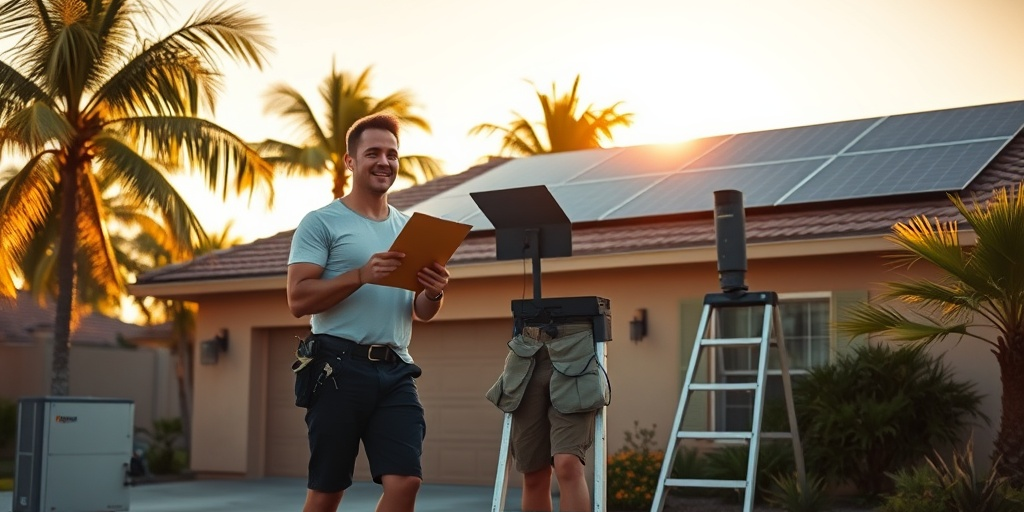
Did you know that over 95% of solar panel installations in Florida are eligible for significant federal tax incentives? Or that Florida ranks second in the nation for solar energy generation, trailing only California? As a homeowner in the Sunshine State, 2025 presents an unmissable opportunity to maximize your solar savings and efficiency. Welcome to our comprehensive guide, “10 Steps to Maximize Solar Panel Maintenance for Florida Homeowners.” Solar energy isn’t just an eco-friendly alternative; it’s a smart financial investment that can drastically reduce your electric bills and increase your property value. With rising energy costs and changes in solar policies, maintaining your solar system has never been more critical. In this post, we’ll explore actionable steps, common myths, technical insights, and expert recommendations tailored just for you. Let’s dive into our upcoming sections, which will equip you with the necessary knowledge to keep your solar energy system performing at peak capacity.
Understanding Solar Panel Maintenance for Florida Homeowners
In the vibrant landscape of Florida, where the sun shines substantially throughout the year, solar panel systems can generate remarkable energy savings if effectively maintained. A great example comes from Lisa, a homeowner in Jacksonville. By investing in a quality solar system, she reduced her utility bills from around $200 per month to less than $30! But Lisa didn’t stop there; she took steps to maximize her solar system’s efficiency through regular maintenance. Her dedication not only extends the lifespan of her system but also promises exceptional returns. This section breaks down how to approach solar panel maintenance and provides a checklist to ensure you capture every efficiency benefit. Here are actionable insights:
- Step 1: Conduct Regular Inspections – Monitoring your solar panels routinely allows you to catch potential issues early. Aim for monthly visual checks for dirt, debris, or shading that might hinder performance.
- Step 2: Keep the Panels Clean – In Florida, summer rain offers a helping hand in keeping your panels clean. However, occasional manual cleaning with a gentle brush or hose may be necessary to remove stubborn dirt.
- Step 3: Check for Inverter Functionality – Your inverter is the heart of the solar system. Ensure it’s showing green lights, which indicate normal operation. Anomalies should be investigated immediately (Energy.gov).
- Step 4: Review System Performance Data – Most systems have monitoring tools. Regularly assess your energy production data; significant drops may point to underlying problems.
- Step 5: Schedule Professional Maintenance Annually – While DIY checks are essential, yearly inspections by certified professionals can uncover hidden issues (SEIA.org).
Common Myths About Solar Panel Maintenance
Before you tackle solar panel maintenance, let’s address some widely held myths that can mislead homeowners:
Myth #1: Solar Panels Require No Maintenance
This misconception can lead to high repair costs. Just like any home appliance, solar systems call for regular checks to extend their life and efficiency.
Myth #2: Cleaning Solar Panels is Dangerous
While caution is necessary, cleaning can be performed safely. Using a ladder and a soft brush or contacting professionals for cleaning is effective and safe.
Myth #3: Solar Panels Work Poorly in Florida’s Humidity
In fact, humidity aids in cooling down the panels, which enhances efficiency during hot days, making Florida ideal for solar energy production (SolarReviews.com).
Local Focus: Florida-Specific Insights
In Florida, the average solar payback period is often as short as 6-8 years. Given this swift return on investment, diligent maintenance is crucial to ensure you do not miss out on these savings (NREL.gov). Additionally, Florida offers a range of incentives and a solar property tax exemption, reinforcing the importance of sustained solar power performance.
Technical Insights: Understanding Your Solar Systems
For those who want to delve deeper, understanding the individual components of your solar system is essential. Panels typically last 25 years, whereas inverters may need replacement every 5-15 years based on their type. Completing your panel maintenance can reduce costs associated with these parts and maximize your system’s lifespan.
With this groundwork laid, ensure your panels are performing optimally by drawing from specific overviews and data regarding local weather patterns—and remember, regular maintenance plays a pivotal role in safeguarding your investment.
Maintenance Checklist for Solar Energy Systems
Now that we’ve established the importance of maintenance, below is a detailed checklist that summarizes the vital aspects of keeping your solar panels in top condition:
- Step 1: Inspect Your Panels – At least once a month. Check for signs of wear, dirt, or debris.
- Step 2: Clean Panels Timely – Ensure cleanliness to maintain energy production efficiency; use rainwater and soft brushes if needed.
- Step 3: Monitor Your Inverter – Know whether it’s harnessing solar energy effectively by checking indicators and gauges.
- Step 4: Examine Performance Data Regularly – Utilize monitoring apps or kiosks to observe metrics like power generated versus power consumed.
- Step 5: Schedule Professional Servicing – An annual check-up can comprise deeper internal inspection, ensuring all parts operate correctly.
Following this checklist boosts operational efficiency and enhances the longevity of your solar system while keeping you well-informed. For tailored guidance, don’t hesitate to check out floridaelectricandsolar.com.
Expert Solar Installation Tips for 2025
Transitioning to solar energy not only requires the right technology but also precise installation. Here are five expert tips to boost your solar installation experience in 2025 and beyond:
Tip #1: Choose Reputable Installers
Select solar installers that are licensed, insured, and have a proven track record in the local market.
Tip #2: Engage in Geographic and Weather Consideration
Identify whether the installation site is prone to shadows or obstructions and plan accordingly, optimizing panel placement.
Tip #3: Configure a Balanced System Size
Understanding your energy consumption is essential in determining the solar system size that best meets your needs. This can prevent over or under-spending on solar panels.
Tip #4: Optimize with Approved Technology
Incorporate high-efficiency solar panels and reliable inverters to maximize your energy output while ensuring durability.
Tip #5: Be Aware of Local Codes
Engage your local authorities about permitting and regulations to avoid installation delays. Adhering to existing standards ensures your system operates smoothly and safely.
These tips not only minimize headaches during installation but also foster a smoother transition to solar energy for homeowners seeking to embrace sustainable living.
Understanding the Solar Journey: A Homeowner’s Experience
Meet Maria, a Florida homeowner eager for an eco-friendly lifestyle. After researching various solar options available in 2025, she began her solar journey with excitement. Here’s how Maria took strategic steps that led her to sustainability and savings:
- She researched the most effective solar panels suited for Florida’s climate.
- Maria consulted multiple solar companies to evaluate service offerings and quotes.
- After her installation, she embraced a “set it and forget it” approach, ensuring she kept monitoring her energy output and conducting regular maintenance checks.
- Utilizing energy monitoring tools helped her optimize usage, leading to an impressive cut in her electricity bill.
- Finally, Maria joined a local solar user community for ongoing support, discovering tips and tricks from fellow homeowners.
By following these steps that emphasize both proactive engagement and community interaction, Maria solidified her commitment to sustainable energy while enjoying the financial fruits of her investments.
Next Steps for Florida Solar Buyers in 2025
So, what are the next critical actions you should take to ensure you’re ready for your solar energy journey in 2025? Here’s a detailed action plan to implement:
- Step 1: Audit Your Electric Bill
Understand your energy usage pattern before transitioning to solar. Take note of peak consumption months and costs.
- Step 2: Research Solar Providers
Compile a list of reputable solar companies operating in your area and evaluate each based on reviews and past performance.
- Step 3: Get Multiple Quotes
Contact at least three solar companies to provide quotes for solar equipment, installation, and financing options to compare offers.
- Step 4: Determine Your Financing Options
Explore various financing methods, including leasing, purchasing outright, or utilizing solar loans, and choose what suits you best.
- Step 5: Schedule Installation
Once you’ve selected a provider, schedule your solar panel installation at a convenient time and prepare your property for the installation crew.
By taking these strategic steps, you are not just adopting a solar system—you’re investing in a sustainable, greener future. Find more resources at floridaelectricandsolar.com.
Conclusion: Embrace the Solar Future
The journey to maximizing your solar energy system maintenance is filled with proactive, informed choices. From understanding the basics of solar maintenance to implementing specific action steps tailored for the Florida climate, you can significantly enhance not just the performance of your solar panels but also the overall value of your home. The urgency to take action increases as every month that passes presents an opportunity for savings slipping through your fingers. By becoming an informed homeowner, you can not only reduce your utility costs but also contribute to a sustainable future for generations to come.
Remember, the time is now. Embrace your solar journey with confidence, knowing you have the tools, the checklist, and the knowledge to maximize your solar potential effectively. Ready to start your solar journey in 2025? Connect with a certified expert at floridaelectricandsolar.com today.
Related Articles
More insights about Solar Panel

Florida Homeowners: Why Solar Panel Maintenance Is Essential

7 Essential Steps for Solar Panel Installation Success

Expert Insights: Key Factors Influencing Solar Panel Lifespan
Ready to Go Solar?
Have questions about solar energy? Our experts are here to help you make the switch to clean, renewable energy.