
10 Essential Steps to Understand Solar Panel Lifespan
Share:
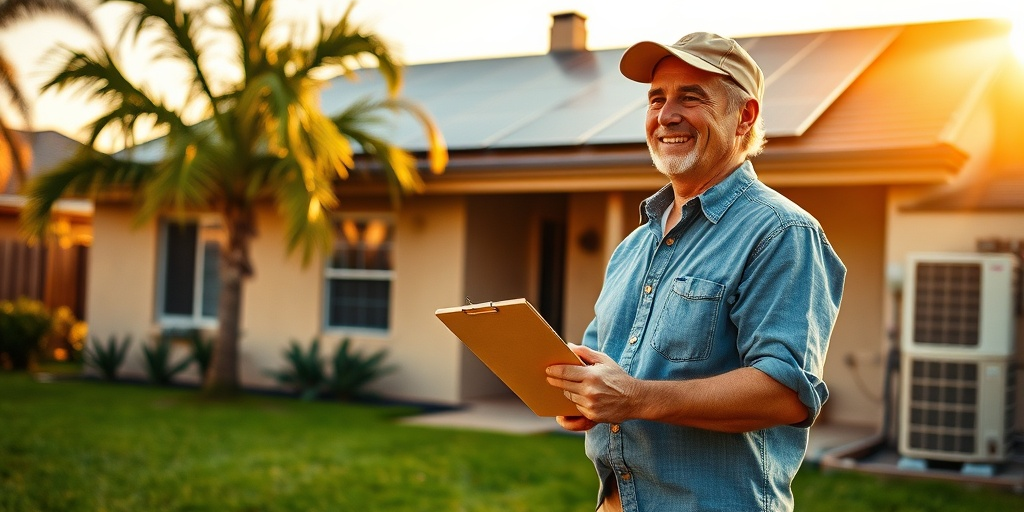
As energy costs continue to climb, Florida homeowners are increasingly turning to solar power as a long-term solution. Did you know that about 90% of solar panels can still produce up to 80% of their original efficiency after 25 years? Yet, many are left wondering just how long their solar panels will last and what factors affect their lifespan. Understanding these elements is crucial to maximizing your investment. In this comprehensive post titled “10 Essential Steps to Understand Solar Panel Lifespan”, we will illuminate the intricacies of solar panel longevity, examining everything from installation practices to the technologies behind them. According to current statistics, homeowners in Florida can save up to 50% on their monthly energy bills with solar (SolarReviews.com). As we move through 2025, the expansion of state incentives for solar energy makes a compelling case to go green now more than ever. In this post, we’ll preview five essential sections: a case study of a Florida homeowner, a checklist for maximizing panel lifespan, myth-busting misconceptions about solar energy, insights specific to Florida, and a technical deep dive into system components.
Understanding the Lifespan of Solar Panels: A Comprehensive Case Study
To truly grasp how long solar panels last, let’s journey with Florida homeowner Maria Rodriguez. Maria installed her solar panels two years ago with the hope of reducing her electric bills and decreasing her carbon footprint. She selected solar panels with a 25-year warranty, but what does this really entail for her long-term experience?
In Maria’s case, regular maintenance and weather conditions play a crucial role. According to the National Renewable Energy Laboratory, most modern solar panels are designed to last 25 to 30 years, but environmental conditions can greatly influence their performance (NREL.gov). Furthermore, Maria didn’t just want any solar panels; she sought the most efficient systems available, knowing that technological advancements can enhance durability and performance.
- Condition Monitoring: Maria committed to using a solar monitoring system that tracks the health of her solar panels, allowing her to ensure they operate at full capacity. Such systems often provide insights into energy output and potential issues.
- Professional Installation: Relying on experts from floridaelectricandsolar.com for installation ensured that her solar panels were properly mounted and aligned, which is critical to their effectiveness and longevity.
- Maintenance Schedule: Adopting a regular maintenance checklist, including cleaning her panels and scheduling inspections, proved instrumental in optimizing performance. Maria learned that neglecting her system would likely lead to decreased efficiency.
- Researching Warranties: By investing in high-quality panels that come with comprehensive warranties, Maria not only secured protection for her investment but also gain peace of mind knowing her investment is covered against defects and premature failure.
- Understanding Environmental Impact: Maria became aware of how Florida’s humid climate and occasional storms can affect her panels’ performance. This knowledge propelled her to be proactive, reinforcing her system with protective measures.
Maria’s journey exemplifies how understanding your system’s lifespan goes beyond the basic warranty; it encompasses everyday practices and climate consideration. With an eye on the future, she is well-prepared to make informed decisions moving forward. So, what myths surround solar longevity that you should be aware of?
10 Essential Steps to Secure Your Solar Panel Lifespan
Understanding solar panel lifespan goes beyond the warranty—it’s about proactive strategies. Here are steps to consider as you embark on your solar journey.
- Step 1: Choose Quality Panels
Select panels from reputable manufacturers known for durability. Research testimonials and perform due diligence to ensure you’re making a sound investment. - Step 2: Proper Installation
Ensure your system is installed by certified professionals. Verify their expertise, as the installation quality significantly impacts the overall lifespan of your panels. - Step 3: Regular Maintenance
Engage in routine cleaning and inspections to avoid dirt and debris accumulation, which can hinder performance. Schedule professional maintenance checks to identify potential issues before they escalate. - Step 4: Monitor System Performance
Utilize monitoring tools that enable you to track energy output and detect any anomalies, maximizing your solar system’s effectiveness. - Step 5: Be Informed About Incentives
Stay updated on government incentives and rebates that can improve your overall solar value. Policies in Florida are continually evolving, and participating can further enhance your savings.
By adhering to these steps, you reinforce the longevity of your solar panels, ensuring that your investment continues to yield returns even after decades.
Myth-Busting: Common Misconceptions About Solar Panel Lifespan
As the solar energy landscape evolves, so too do the myths surrounding it. Let’s debunk some misconceptions that have clouded public understanding.
- Myth #1: Solar Panels Stop Working After 25 Years
This is false! Most panels still produce significant energy even after their warranty period, often exceeding 80% efficiency. - Myth #2: All Solar Panels are the Same
In reality, quality varies significantly among manufacturers. Investing in reputable brands with proven track records will yield better longevity and performance. - Myth #3: Maintenance Isn’t Necessary
No system can function at peak efficiency without regular checkups and cleaning. Homeowners must prioritize maintenance to avoid performance downgrades. - Myth #4: Solar Power is Not Reliable in Cloudy Weather
While solar panels are less efficient on cloudy days, they still generate power. Improved technology allows panels to capture energy even in less-than-perfect light conditions. - Myth #5: Solar Energy is Only for Urban Areas
Many rural homeowners benefit significantly from solar energy as well. Accessibility and utility savings can compete with grid power, irrespective of location.
Increasing your understanding of these myths and confronting them with facts will enable you to navigate solar investment with greater confidence.
Florida Focus: Local Factors Impacting Solar Performance
When considering solar, it’s essential to understand how Florida’s local climate, market conditions, and incentives influence solar panel lifespan.
Florida is renowned for its abundant sunlight, but the state’s high humidity and hurricane season raise unique challenges. Let’s delve deeper:
- Climate Considerations: Florida’s humidity can lead to moisture accumulation on panels. This can degrade efficiency over time, making regular cleaning crucial.
- Regulatory Environment: Florida offers numerous incentives that not only improve your ROI but also enhance the longevity of your investment. Familiarity with these programs can save you thousands.
- Hurricane Preparedness: With the potential for hurricanes, homes must ensure their solar installations are securely mounted to withstand intense winds. Implementation of high-grade mounting systems will ensure durability during adverse weather conditions.
- Utility Rates: Florida utility companies often provide net metering programs. Using these can offset costs and make solar a more appealing investment, ultimately impacting how quickly you can recoup your costs through savings.
As a Florida homeowner thinking of solar, understanding these local factors can significantly affect the longevity and performance of your solar panels.
Technical Deep Dive: Components of a Reliable Solar System
The longevity of solar panels is also intricately tied to their accompanying components—solar inverters, batteries, and wiring. Here’s a breakdown of the technology that keeps your system running efficiently.
- Solar Panels: Manufacturing quality and type matter immensely. Monocrystalline panels typically last longer and perform better in hot weather compared to polycrystalline panels.
- Inverters: The inverter is often referred to as the ‘brain’ of the solar power system. Opting for higher-quality inverters can enhance the overall lifespan of your system.
- Batteries: Energy storage solutions can greatly influence your system’s reliability. Invest in lithium-ion batteries known for their superior longevity compared to older technology.
- Wiring & Mounts: High-quality wiring and mounting systems are pivotal for minimizing wear and tear. Utilizing corrosion-resistant materials will enhance durability in humid conditions.
- System Monitoring: Investing in smart technology for real-time monitoring helps track the performance and troubleshooting needs throughout the lifespan of your system.
Understanding these core components not only amplifies your knowledge as a consumer but arms you with the tools needed to make informed purchasing decisions.
Next Steps for Florida Solar Buyers in 2025
As you consider adopting solar energy in the Sunshine State, follow this actionable checklist to ensure you’re prepared for every step of your solar investment journey:
- Step 1: Assess Your Energy Needs
Begin by auditing your electric bill to understand your energy consumption and identify the potential solar array size suitable for you. - Step 2: Research Solar Providers
Look for Florida-based solar companies with excellent reviews. Ensure they hold relevant certifications and offer quality equipment and warranties. - Step 3: Understand Incentives
Update yourself on both federal and state incentives available for solar energy investments. These can drastically reduce your upfront costs and provide ongoing savings. - Step 4: Schedule Consultations
Consult with well-reviewed solar companies for system quotes tailored to your specific needs. They can provide transparent insights into costs and panels best suited for longevity. - Step 5: Plan Your Installation
After selecting a solar provider, ensure that a professional installation is scheduled. Post-installation, regular maintenance checks should be incorporated into your plan.
Leveraging these steps will prepare you to seamlessly transition to solar energy, improving sustainability, and financial savings for years to come.
The journey to understanding solar panel lifespan extends far beyond simple warranties and installation dates. Through education, careful planning, and openness to new technology, you can position yourself as a savvy solar homeowner. As you maximize your investment in solar energy, consider the urgency of making this decision now as energy prices are on the rise and incentives are rapidly changing.
Ready to start your solar journey in 2025? Connect with a certified expert at floridaelectricandsolar.com today.
Related Articles
More insights about Solar Panel

Florida Homeowners: Why Solar Panel Maintenance Is Essential

7 Essential Steps for Solar Panel Installation Success

Expert Insights: Key Factors Influencing Solar Panel Lifespan
Ready to Go Solar?
Have questions about solar energy? Our experts are here to help you make the switch to clean, renewable energy.