
10 Essential Things to Know About Solar Panel Installation
Share:
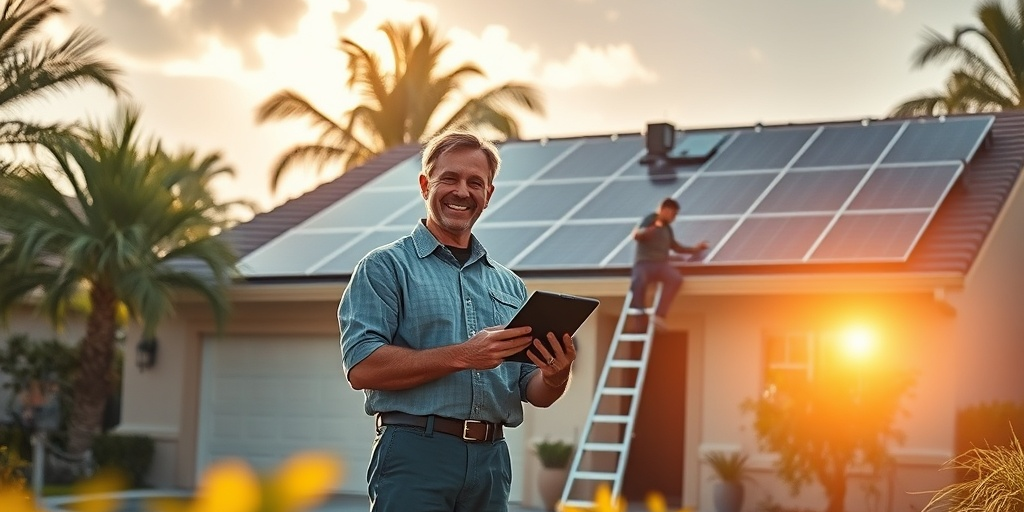
Are you tired of soaring electricity bills and unpredictable energy prices? You’re not alone. In fact, the average Florida homeowner saw their electric costs rise by 15% in the past few years, and projections indicate that those costs are only expected to increase as we head into 2025. As energy companies grapple with infrastructure challenges and shifts in legislation, making the switch to solar energy is not just a trend; it’s a necessity. Welcome to our guide on the “10 Essential Things to Know About Solar Panel Installation.” This comprehensive checklist will illuminate the path towards going solar, ensuring you save both money and the environment while gaining energy independence. With new incentives on the horizon, there’s never been a better time to explore this clean energy option.
Why is this topic becoming more urgent by 2025? As Florida prepares to embrace innovative solar initiatives—such as the increased net metering policies and tax incentives—you stand at a unique crossroads. These opportunities enable homeowners and commercial property owners to maximize their solar savings. This blog post will not only clarify essential steps in the installation process, but it will also address some common myths and concerns surrounding solar energy in Florida. As we proceed, we’ll cover:
- Case studies of solar installation experiences
- A practical checklist to streamline your solar installation process
- Debunking common myths about solar energy
- Local considerations that every Florida homeowner should know
- A deep dive into the technical aspects of solar systems
Section 1: A Real-Life Case Study: Florida Homeowner Goes Solar
Meet Jessica, a school teacher living in Orlando, Florida. Like many homeowners, she was stunned by her monthly electricity bill. Each summer, her utility expenses climbed dramatically when her air conditioner worked overtime to combat the Florida heat. After doing some research, she decided to investigate solar energy as a potential solution. What she found was captivating; according to the Solar Energy Industries Association (SEIA), solar adoption in Florida has skyrocketed in recent years, with a growth rate of over 20% annually (SEIA.org).
Jessica began with a crucial question: “How do I even get started with solar panel installation?” This question led her to seek expert advice from Florida Electric & Solar, who guided her through every step of the process. Here’s a checklist highlighting the essential actions Jessica took:
- Assessing Energy Needs: Jessica analyzed her historical utility bills for a year, determining her average energy consumption, which would help her decide on the right solar system size.
- Understanding Incentives: With the help of solar experts, she learned about the federal tax credit allowing homeowners to deduct 30% of the cost of a solar system installation from their federal taxes (Energy.gov).
- Choosing the Right Installation Partner: Jessica interviewed several local contractors, ensuring that she selected a licensed and insured provider with glowing reviews.
- Site Assessment and Design: A trained installer assessed her roof to ensure it had the proper angle and sun exposure for the photovoltaic panels.
- Financing Options: Jessica explored various payment methods, opting for a combination of cash and financing that fit her budget comfortably.
While embarking on this journey, she encountered numerous myths that fueled skepticism about solar energy. For instance, many believed that solar energy was only viable for sunny locations. Yet, according to the National Renewable Energy Laboratory (NREL), solar panels can still produce energy on cloudy days—Florida’s abundant sunshine ensures that even Florida residents receive considerable energy from their solar setups (NREL.gov).
The emotional journey of switching to solar power made Jessica’s experience all the more rewarding. “I no longer dread checking my utility bill every month. I’ve taken control of my energy consumption,” she said. Through the implementation of solar panels, not only did she significantly reduce her utility bills, but she also felt empowered by contributing to a more sustainable future.
As we can see from Jessica’s case, understanding the essential components and support systems of solar panel installation is crucial. Next, we will explore a detailed checklist of steps you should take when considering solar energy.
Section 2: Your Solar Installation Checklist
When you commit to investing in solar energy, it’s essential to navigate the process efficiently. This section presents a comprehensive checklist to ensure you don’t overlook critical steps. Follow these outlined actions to make your transition to solar energy seamless and rewarding.
- Step 1: Audit Your Energy Use: Before going solar, collect your past utility bills to understand your average monthly consumption. This data will help you estimate the solar system size you will need to meet your energy demands.
- Step 2: Research Local Incentives: Investigate available state and federal tax incentives that may reduce the cost of installation. Florida offers programs through its Public Service Commission that encourage solar energy use (FlaPSC.gov).
- Step 3: Find Certified Installers: Seek out licensed solar installers in your area. Check their reviews and experience with residential projects, ensuring you find a contractor who understands local Florida permitting and zoning laws.
- Step 4: Schedule a Site Assessment: Once you choose a contractor, a technician will visit your property to evaluate roof conditions, sunlight exposure, and potential shading issues. This assessment is critical for designing an efficient solar setup.
- Step 5: Review Contracts Carefully: Before signing any contracts, scrutinize the small print. Understand payment schedules, warranty terms, and expected delivery timelines.
As you move forward, remember that the solar installation process may look different depending on your specific requirements and location. There are additional provisions to consider based on Florida’s unique landscape and weather conditions. For more tailored advice, check out floridaelectricandsolar.com.
Section 3: Myth-Busting Common Misconceptions About Solar Energy
Understanding solar energy is key to embracing it fully. Unfortunately, misinformation about solar panels can often create hesitations and misunderstandings. Let’s debunk some of the most common myths surrounding solar energy that may create barriers for Florida homeowners.
- Myth #1: Solar Panels Are Only Effective in Sunny Areas: Many individuals believe that solar panels won’t perform well in cloudy or rainy conditions. However, even in less-than-ideal weather, solar panels can generate energy. Did you know that solar panels can still function at 80% efficiency on cloudy days? (NREL.gov)
- Myth #2: Solar Energy Is Too Expensive: While upfront costs can seem daunting, numerous financing options and tax incentives exist to make solar power more affordable. The long-term savings on utility bills often outweigh initial investments.
- Myth #3: Solar Systems Require Extensive Maintenance: Unlike traditional electrical systems, solar panels require minimal maintenance. Regular cleaning and yearly inspections will keep them running efficiently.
- Myth #4: Homeowners Can’t Take Their Solar Panels When They Move: Contrary to popular belief, many homeowners can move solar panels to their new property. It’s important to plan your system installation with future relocation in mind.
- Myth #5: Solar Can’t Power My Entire Home: Many fear that solar energy won’t meet their electrical needs. However, with a correctly sized system, homeowners can supply nearly all their energy consumption using solar power.
By dispelling these myths, you can make a more informed choice about transitioning to solar. With this clearer understanding, you’ll feel empowered to proceed with solar installation in Florida. Next, we’ll explore highly relevant considerations specific to homeowners in the Sunshine State.
Section 4: Local Considerations for Florida Homeowners Going Solar
Florida is often hailed as the “Sunshine State” for a good reason; it’s among the best states for solar energy production in the U.S. With over 237 sunny days a year, Florida homeowners enjoy a unique advantage when opting for solar installations. However, there are some local considerations to keep in mind as you embark on your solar journey.
- Incentive Programs: Florida provides unique opportunities through various incentive programs, including the Property Tax Exemption for Renewable Energy Systems, which allows homeowners to reduce their property tax burden by 100% for installed solar systems (FlaDepartmentofRevenue.gov).
- Local Utility Policies: Each utility provider in Florida may have different rules regarding net metering. Understanding your local utility’s guidelines is crucial for ensuring you benefit from any excess energy generated.
- Hurricane Preparedness: Florida’s specific geography requires unique considerations when installing solar panels. Choosing durable equipment that can withstand severe weather, such as hurricanes, ensures the longevity of your system.
- Community Solar Initiatives: Several Florida communities are embracing solar energy through cooperative solar programs. These initiatives allow homeowners to invest in solar power collectively, lowering costs and increasing energy independence.
- Environmental Benefits: With rising concerns over climate change, Florida homeowners can significantly reduce their carbon footprint by choosing solar energy. The state aims for 100% clean energy by 2050, and your choice can contribute to this goal.
Considering these local factors can greatly impact your solar energy experience and overall satisfaction. Now let’s dive into the deeper technical aspects of solar systems to empower you for the best decision possible.
Section 5: Understanding the Technical Details of Solar Systems
Embarking on your solar journey requires grasping the intricate technicalities associated with solar energy systems. This knowledge can diminish any uncertainties and better equip you to communicate with contractors and solar specialists. Below, we provide an in-depth overview of the components and functionalities of solar systems available in Florida.
At the core of solar power generation are three key components: solar panels, inverters, and batteries. Here’s what you need to know about each:
- Solar Panels: These photovoltaic (PV) modules convert sunlight into electricity. Understanding the differences between monocrystalline, polycrystalline, and thin-film panels can help you determine which option best meets your needs based on performance, price, and energy output.
- Inverters: Functions as the brain of your solar system, converting the direct current (DC) power produced by the panels into alternating current (AC) power that can be used in your home. There are several types of inverters—including string inverters and microinverters—each offering unique advantages.
- Batteries: Solar batteries store excess energy produced during the day for use at night or during power outages. Investing in batteries can maximize your solar savings and provide energy independence; however, they can also increase overall system costs.
Additionally, understanding billing mechanisms, such as time-of-use rates, can help you optimize your energy use for savings. Florida homeowners can benefit from grid-tied systems, allowing them to sell back excess power generated to their utility provider, effectively reducing their overall energy costs.
In summary, understanding the technical aspects of solar systems empowers you to make informed decisions that meet your household’s energy requirements. Now, let’s explore how you can take specific action steps toward transitioning to solar energy in Florida.
Conclusion: Ready to Make the Switch?
The journey to embracing solar energy is both empowering and liberating. From reading about Jessica’s experience to debunking myths that often cloud people’s decision-making, we hope you’ve grasped the immense potential solar energy holds for Florida homeowners. Investing in solar not only allows you to combat rising utility costs but also contributes to a sustainable future for generations to come.
As you reflect on the “10 Essential Things to Know About Solar Panel Installation,” remember that taking action now can yield long-term benefits. The key is to find reliable resources, optimize the installation process, and enjoy the financial rewards of going solar. Moreover, with the incentives available through local utility programs and state initiatives, the door to a greener, more independent energy future is wide open.
Ready to start your solar journey in 2025? Connect with a certified expert at floridaelectricandsolar.com today.
Related Articles
More insights about Solar Panel

Florida Homeowners: Why Solar Panel Maintenance Is Essential

7 Essential Steps for Solar Panel Installation Success

Expert Insights: Key Factors Influencing Solar Panel Lifespan
Ready to Go Solar?
Have questions about solar energy? Our experts are here to help you make the switch to clean, renewable energy.