
10 Essential Tips for Homeowners Considering Solar Panel Installation
Share:
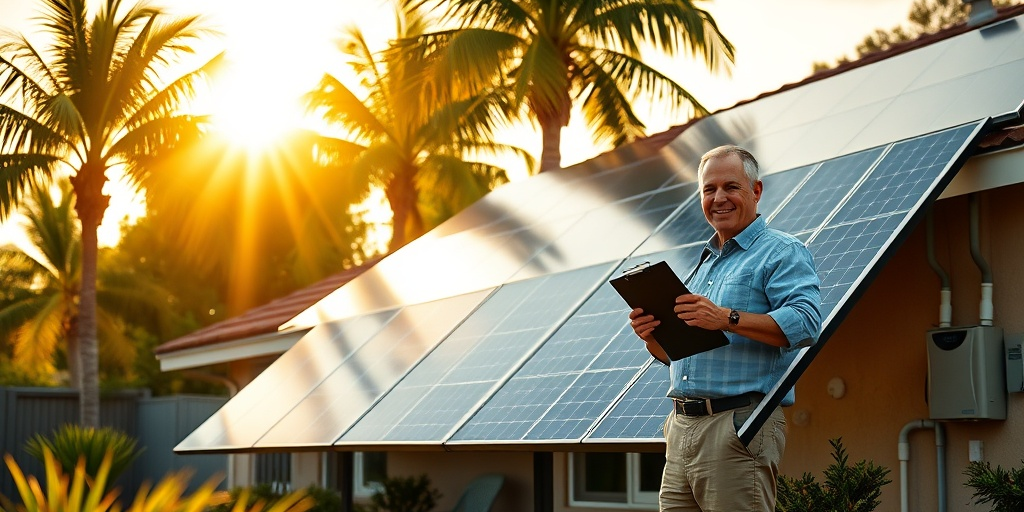
Every day, more homeowners in Florida are answering a compelling question: “Should I go solar?” The statistics are staggering; as of 2023, over 1.5 million homes in the U.S. have made the transition to solar energy, and that number is expected to grow exponentially in the coming years (SEIA.org). Additionally, Floridians have the unique opportunity to capitalize on over 237 sunny days each year, making solar a natural fit for energy production (Energy.gov). If you’re among those considering a solar installation, our blog titled “10 Essential Tips for Homeowners Considering Solar Panel Installation” is your guide to navigating this important decision. In 2025, with rising energy costs and new state incentives, the urgency to invest in solar power has never been greater. Here, we’ll arm you with crucial knowledge and a checklist to ensure successful solar panel installation, structured in five detailed sections: a case study for real-life context, an actionable checklist, myth-busting to clarify misconceptions, local insights into Florida’s solar landscape, and a technical deep-dive into solar energy systems.
The Transformative Power of Going Solar in Florida
Consider the story of Maria and Carlos, a young couple living in Orlando. Like many Florida homeowners, they were tired of rising electricity bills and uncertain energy prices. After doing their research, they decided to explore solar energy options, finding both satisfaction and peace of mind in their choice to harness the sun’s energy. With installation facilitated by a trusted solar provider, they now enjoy considerably lower energy costs and a sustainable lifestyle. This transformational journey was not only about financial savings but also about environmental responsibility. This real-world case exemplifies the numerous benefits that solar energy can bring to Floridians.
- Step 1: Determine Eligibility and Finances
- Step 2: Research Solar Providers
- Step 3: Understand Local Incentives
- Step 4: Review Solar Technology Options
- Step 5: Plan Your Installation
This checklist will ensure you approach your solar journey with the confidence and clarity you need.
Essential Checklist for Solar Installation
Choosing to install solar panels is an integral decision, one that affects your finances, your lifestyle, and the environment. Below are 5 essential steps to guide your journey and set you on a successful path:
- Step 1: Determine Eligibility and Finances
- Step 2: Research Solar Providers
- Step 3: Understand Local Incentives
- Step 4: Review Solar Technology Options
- Step 5: Plan Your Installation
Review your current electricity bills to understand your energy consumption and costs thoroughly. Also, assess your financial resources. Many homeowners opt for a solar loan, lease, or cash payment model. A 2023 report revealed that Florida leads the nation in solar financing options, making the transition more attainable (SolarReviews.com).
Choose a reputable solar company, such as floridaelectricandsolar.com. Look for customer reviews, track records, and their understanding of local regulations and processes.
Familiarize yourself with federal and state incentives, like the Investment Tax Credit (ITC) that offers a significant tax break. In Florida, there is also a property tax exemption for solar installations, which adds to your financial advantages (Florida Solar Energy Center).
Get informed about different types of solar panels, inverters, and battery systems. Each type has different efficiencies and costs; optimizing your choice can maximize savings long term.
Your solar company will help you schedule the installation and handle the necessary permits. Ensure to have a clear timeline and understand the process beforehand.
Following this checklist can dramatically simplify the transition to solar power.
Myths About Solar Energy in Florida
Despite the numerous advantages of solar energy, misconceptions often cloud judgment. Let’s dispel some common myths surrounding solar panel installation:
- Myth #1: Solar Panels Are Too Expensive – While upfront costs exist, solar panel prices have declined significantly in the past decade. Moreover, financing options allow homeowners to pay over time while enjoying immediate savings on electricity bills.
- Myth #2: Solar Energy Only Works in the Summer – Solar panels still generate energy on cloudy days. Even during the shorter winter days, panels can capture solar energy effectively, ensuring your home remains powered.
- Myth #3: Solar Will Not Increase My Property Value – Homes equipped with solar systems generally have higher property values and are more attractive to buyers, especially in sunny locations like Florida (DSIREUSA.org).
With these myths debunked, homeowners can approach their solar decision with increased confidence.
Florida-Specific Solar Insights
Florida isn’t just known for its beautiful beaches; it’s a burgeoning leader in solar energy. The Sunshine State boasts numerous solar incentives and programs. Here are some pivotal Florida-specific factors:
- Incentives and Rebates: Take advantage of federal tax credits, state-level rebates, and net metering laws that allow homeowners to get paid for the excess energy their systems produce. For the 2024 tax year, the federal solar tax credit allows homeowners to deduct 30% of installation costs (SEIA.org).
- Net Metering Benefits: In Florida, many utility companies must offer net metering, which means homeowners can sell surplus energy back to the grid, maximizing their savings.
- Tax Exemptions: The state has a property tax exemption for solar installations, meaning your home’s value will not be affected by the added solar features (Florida House of Representatives).
These local factors should influence your decision-making as you consider solar options.
Understanding Solar Technology: A Technical Deep-Dive
Unpacking solar technology can often feel daunting, but understanding the core components of a solar energy system is critical. A comprehensive solar setup typically consists of:
- Solar Panels: Photovoltaic (PV) panels capture sunlight and convert it into electricity. The number and type of panels depend on your energy needs and roof space.
- Inverters: These crucial devices convert DC electricity generated by the solar panels into usable AC electricity for your home.
- Solar Batteries: For homeowners wishing to provide consistent energy regardless of sunlight availability, batteries store excess energy, allowing for off-grid living or backup during outages.
For Florida homeowners, understanding the technical aspects of solar panels, storage, and inverters can guide you in selecting the right system that meets your needs.
Next Steps for Florida Solar Buyers in 2025
Ready to embark on your solar journey? Here’s a step-by-step action plan to follow:
- Step 1: Audit Your Electric Bill – Analyze past bills to understand your consumption patterns and gather insights on potential savings.
- Step 2: Research Local Providers – Compile a list of certified solar providers within your area. Check testimonials and indicators of customer satisfaction.
- Step 3: Schedule Consultations – Reach out to potential suppliers. During these consultations, ask probing questions about their offerings and warranties.
- Step 4: Explore Financing Options – Investigate loans, leases, and power purchase agreements (PPAs) to determine the best financial fit for your situation.
- Step 5: Stay Updated on Regulations – Keep informed about local laws that may impact your solar installation and utilize tools from trusted sites like floridaelectricandsolar.com.
Following these steps can smooth out the path to a successful transition to solar energy.
Conclusion
As the landscape of energy continues to evolve, Florida homeowners face a crucial decision regarding solar power options. By following our comprehensive “10 Essential Tips for Homeowners Considering Solar Panel Installation”, you are not only paving the way for potential savings but also contributing to environmental sustainability. This journey can be backed by informed choices rooted in data, local incentives, and an understanding of the technology at play.
The key lies in acting now. With opportunities for significant financial savings and benefits to the planet, 2025 is a pivotal year to embrace solar options. Remember the refreshingly uncomplicated steps laid out throughout this article, and make your solar energy goals a reality.
Ready to start your solar journey in 2025? Connect with a certified expert at floridaelectricandsolar.com today.
Related Articles
More insights about Solar Panel

Florida Homeowners: Why Solar Panel Maintenance Is Essential

7 Essential Steps for Solar Panel Installation Success

Expert Insights: Key Factors Influencing Solar Panel Lifespan
Ready to Go Solar?
Have questions about solar energy? Our experts are here to help you make the switch to clean, renewable energy.